Forza Furniture
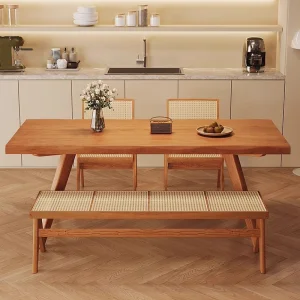
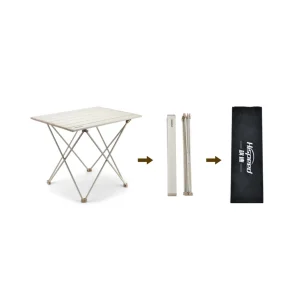
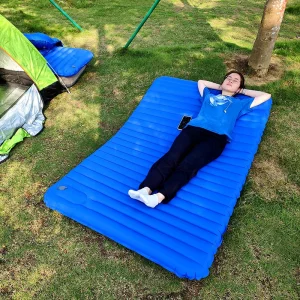
Featured Outdoor & Camping Furniture Solutions - Part I
High-durability structures engineered for international distribution, hospitality project tenders, and commercial wholesale portfolios.

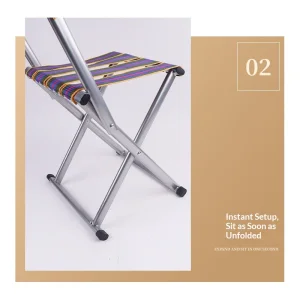
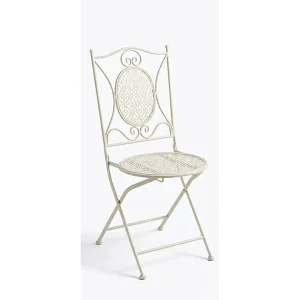
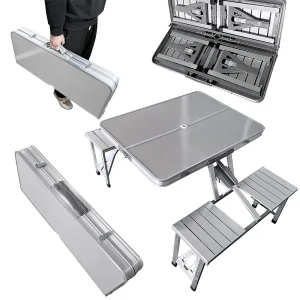
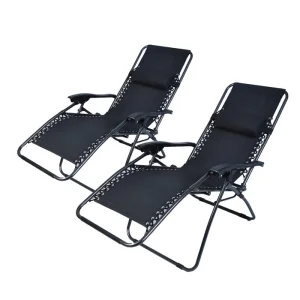
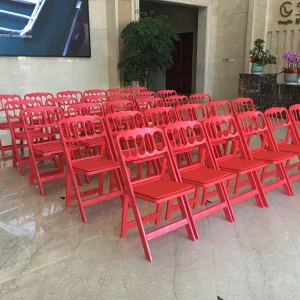
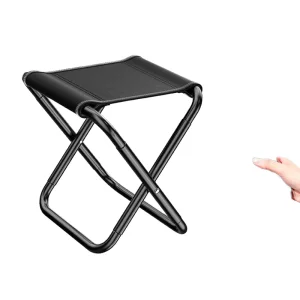
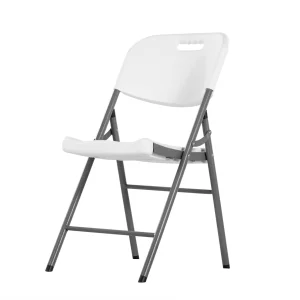
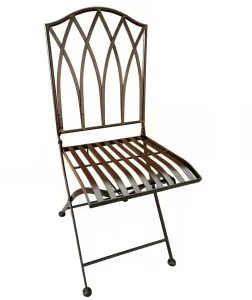
The Evolution of Wrought Iron Furniture in the Global Contract Market
The global commercial outdoor furniture market has experienced a significant structural transition. Wrought iron, historically valued for its craftsmanship and raw durability, has re-emerged as a high-demand material category in B2B procurement. Hospitality developments, municipal landscaping initiatives, and luxury residential portfolios are driving the demand for carbon-mitigated, long-lifecycle metallic seating systems. According to recent industrial market analyses, global demand for high-strength, corrosion-resistant outdoor metal chairs is projected to grow at a CAGR of 5.8% over the next decade.
Key Driver: The Circular Economy and Structural Longevity
Unlike disposable plastic furniture or short-lived composite resin structures, premium wrought iron products offer an operating life cycle exceeding 15 to 20 years. This longevity directly supports corporate environmental social governance (ESG) indices. At end-of-life, structural iron maintains nearly 100% recyclability, presenting a closed-loop asset recovery option for commercial projects. Furthermore, advanced powder-coating processes have eliminated VOC emissions, making modern iron furniture completely compliant with stringent REACH and RoHS environmental directives.
Selecting the Top 10 Wrought Iron Chairs Manufacturers: Evaluation Criteria
To establish an objective benchmark for global procurement teams, suppliers are vetted across four primary metrics of E-E-A-T (Experience, Expertise, Authoritativeness, and Trustworthiness).
1. Corrosion Protection Technology
Evaluation of finishing lines including hot-dip galvanization, zinc-phosphate pre-treatment, and double-layer cathodic e-coating. Top suppliers must guarantee rust prevention under ASTM B117 salt-spray standards.
2. Welding & Structural Integrity
Use of automated robotic gas metal arc welding (GMAW/MIG) vs. manual craftsmanship. High structural load capacities must comply with EN 581 standards for commercial seating safety.
3. Supply Chain Agility & Logistical Capacity
Logistics integration near major global shipping ports, offering knock-down (KD) packaging systems that optimize shipping container volumes and minimize international freight costs.
Comparative Analysis of Outdoor Seating Substrates
For B2B buyers deciding between structural metallic options, understanding material performance characteristics is key to maximizing return on investment. Below is a comparative technical matrix analyzing wrought iron against competitive outdoor materials.
| Material Class | Tensile Strength (MPa) | Corrosion Resistance | Wind / Blow-over Resistance | Recyclability Index | Commercial Lifespan |
|---|---|---|---|---|---|
| Premium Wrought Iron (E-Coated) | 240 - 350 | Excellent (Double Coat) | High (Ideal for open patios) | 100% Circular | 15+ Years |
| Cast Aluminum | 150 - 200 | Excellent (Natural oxide) | Moderate | 95% Recyclable | 10 - 12 Years |
| High-Density Polyethylene (HDPE) | 20 - 30 | Impervious | Low (Prone to shifting) | Moderate (Downcycled) | 5 - 8 Years |
| Standard Mild Steel (Powder Only) | 200 - 280 | Poor (Sub-surface rust) | High | 100% Circular | 2 - 4 Years |
Foshan Forza Furniture Co., Ltd.
Leading Chinese manufacturing hub specializing in high-performance outdoor, contract patio, and industrial-grade metal furniture systems.
Foshan Forza Furniture Co., Ltd. is located in Foshan, Guangdong Province, China, one of the country's leading furniture manufacturing centers. Since its establishment, the company has specialized in the research, development, manufacturing, and global sales of high-quality indoor and outdoor furniture. Through years of continuous innovation and steady growth, Forza has become a trusted supplier serving customers in markets across Europe, North America, Australia, the Middle East, and Southeast Asia.
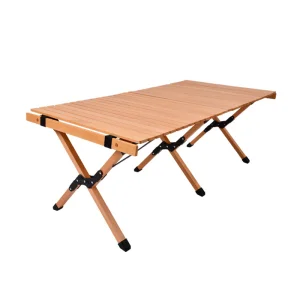
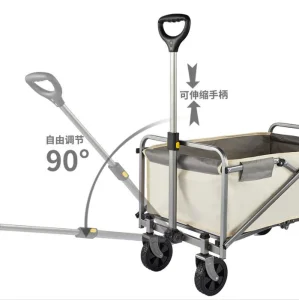
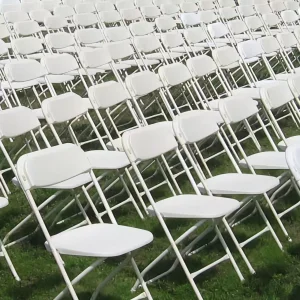
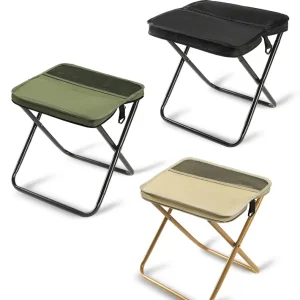
Our product range includes outdoor dining tables and chairs, folding tables and chairs, aluminum furniture, plastic furniture, garden furniture, patio furniture, camping furniture, and customized commercial furniture solutions. We are committed to providing durable, stylish, and functional products that meet the diverse needs of residential, hospitality, and commercial projects.
Driven by a professional R&D team and experienced production management, we continuously develop innovative designs that combine modern aesthetics with practical performance. We also offer OEM and ODM services, enabling customers to create customized products tailored to their specific market requirements and brand identity.
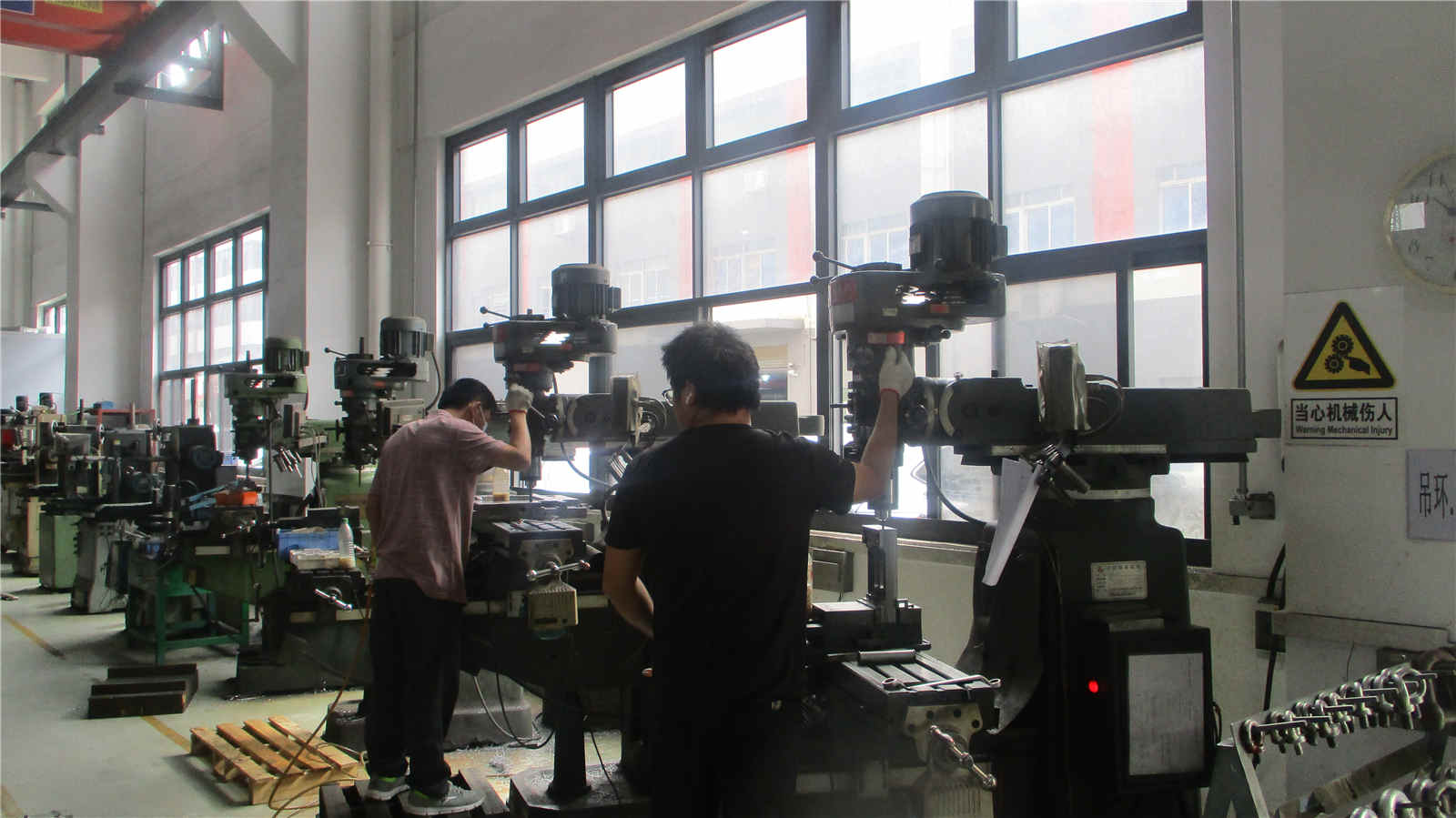
Quality is at the core of everything we do. Our manufacturing process is supported by strict quality control systems covering every stage, from raw material selection to final inspection. Many of our products comply with international quality and safety standards and have obtained certifications such as SGS, TÜV, BSCI, and other relevant certifications according to customer and market requirements.
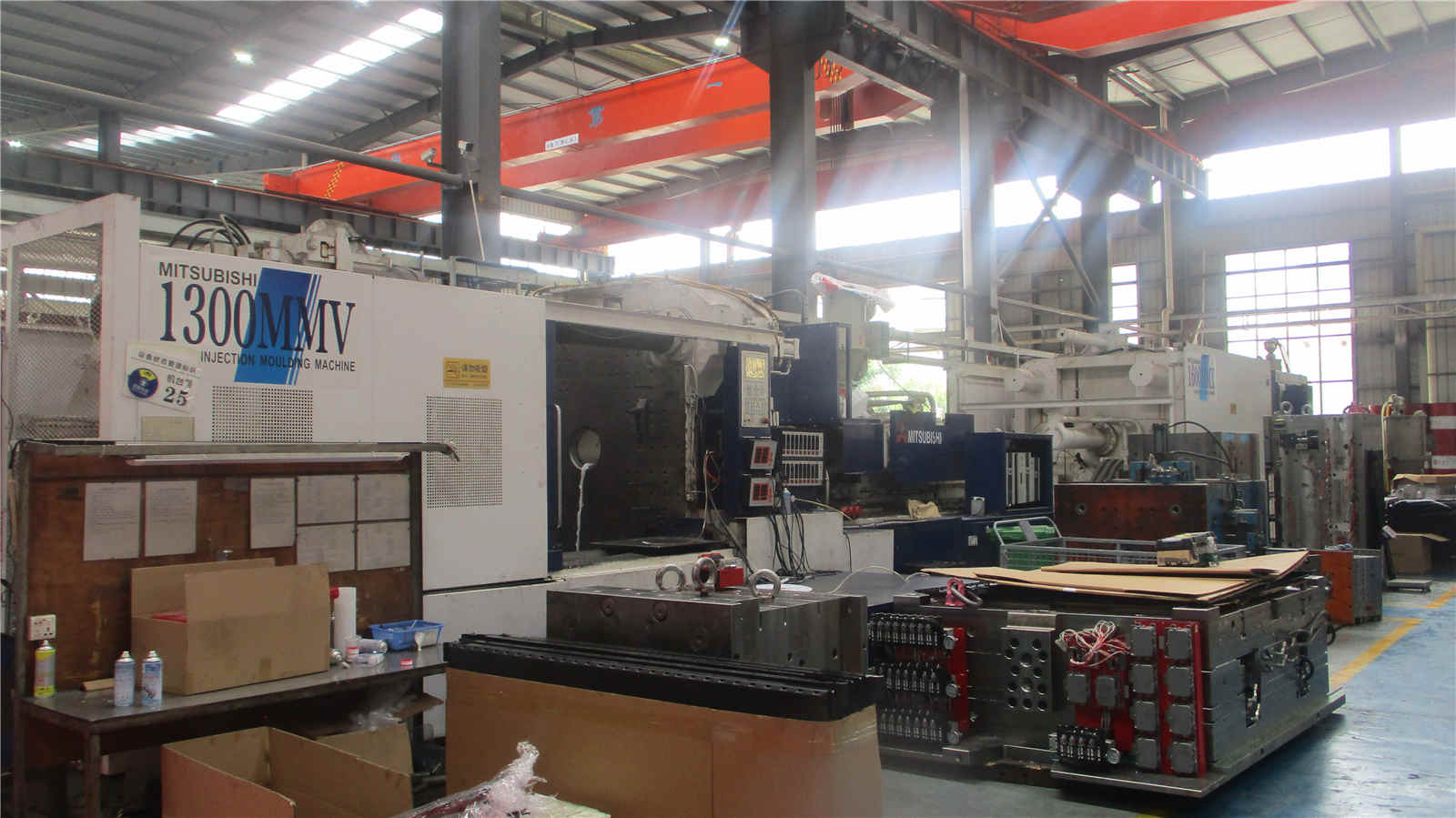
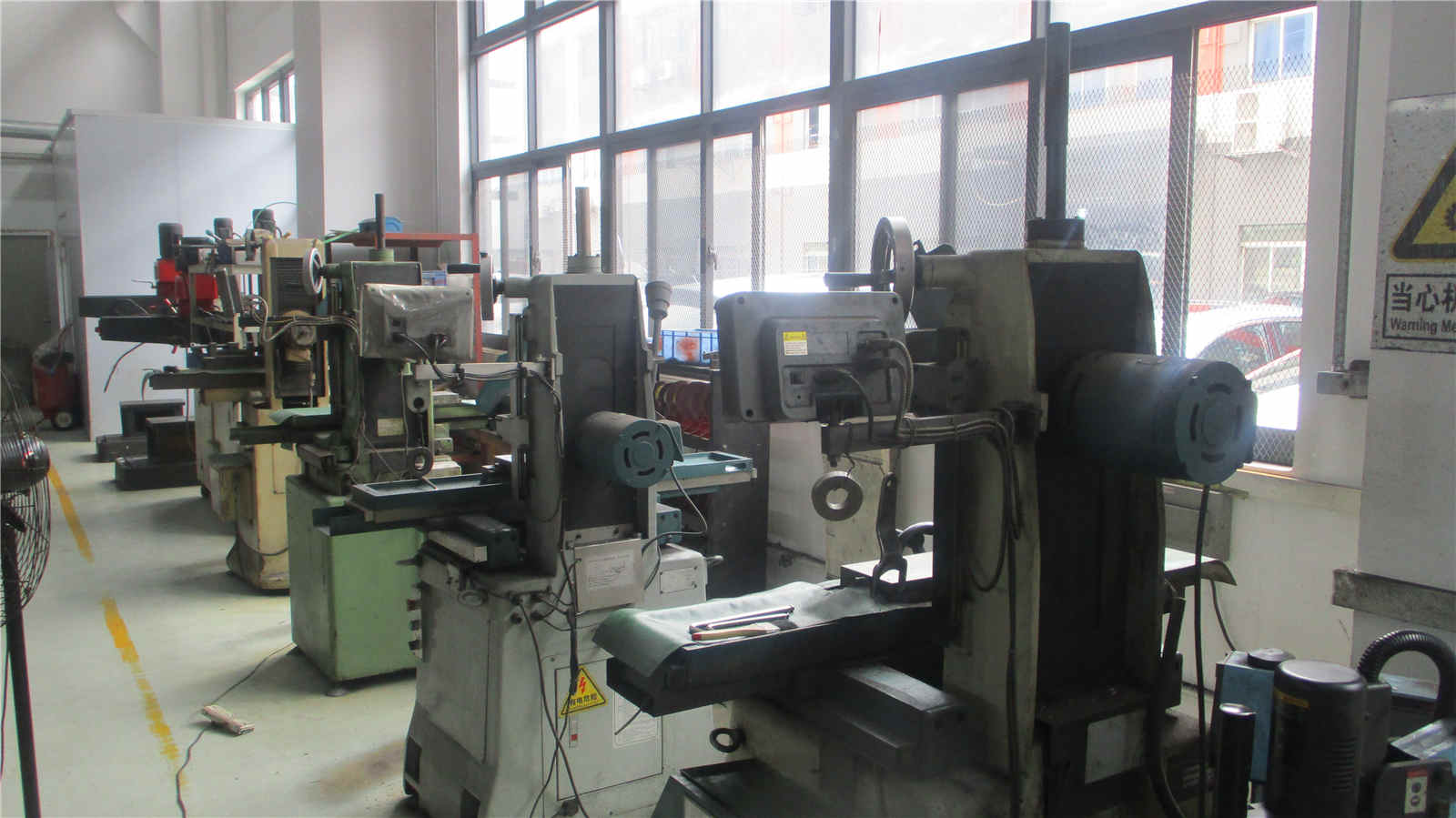
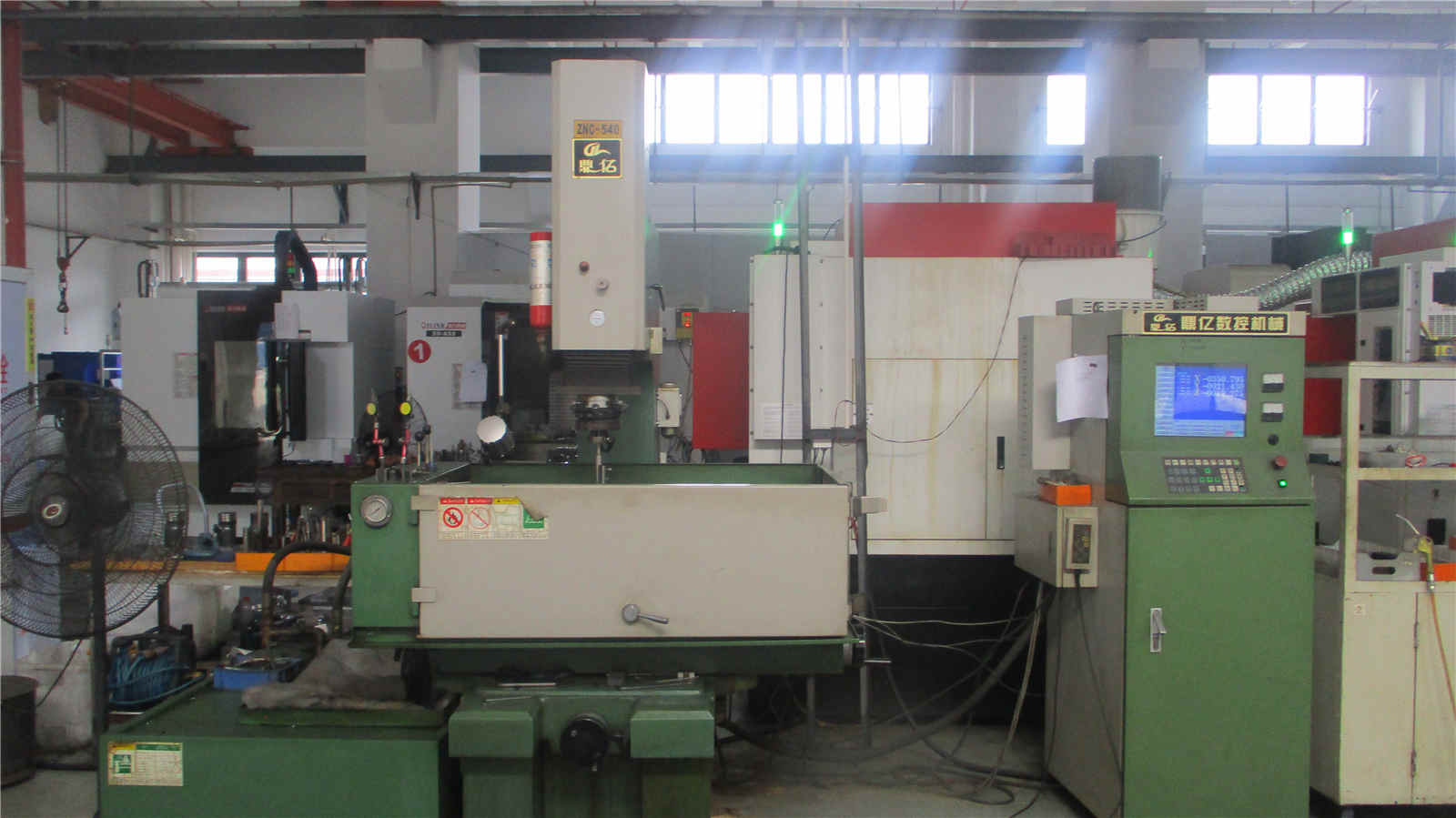
With advanced manufacturing equipment, competitive pricing, reliable delivery schedules, and responsive after-sales service, Foshan Forza Furniture Co., Ltd. has earned a strong reputation among international partners. We believe that long-term cooperation is built on trust, quality, and mutual success.
Looking ahead, we remain committed to innovation, sustainability, and customer satisfaction. We continuously expand our product portfolio and improve our manufacturing capabilities to meet the evolving demands of the global furniture industry. We sincerely welcome customers from around the world to establish long-term business partnerships and create a prosperous future together.
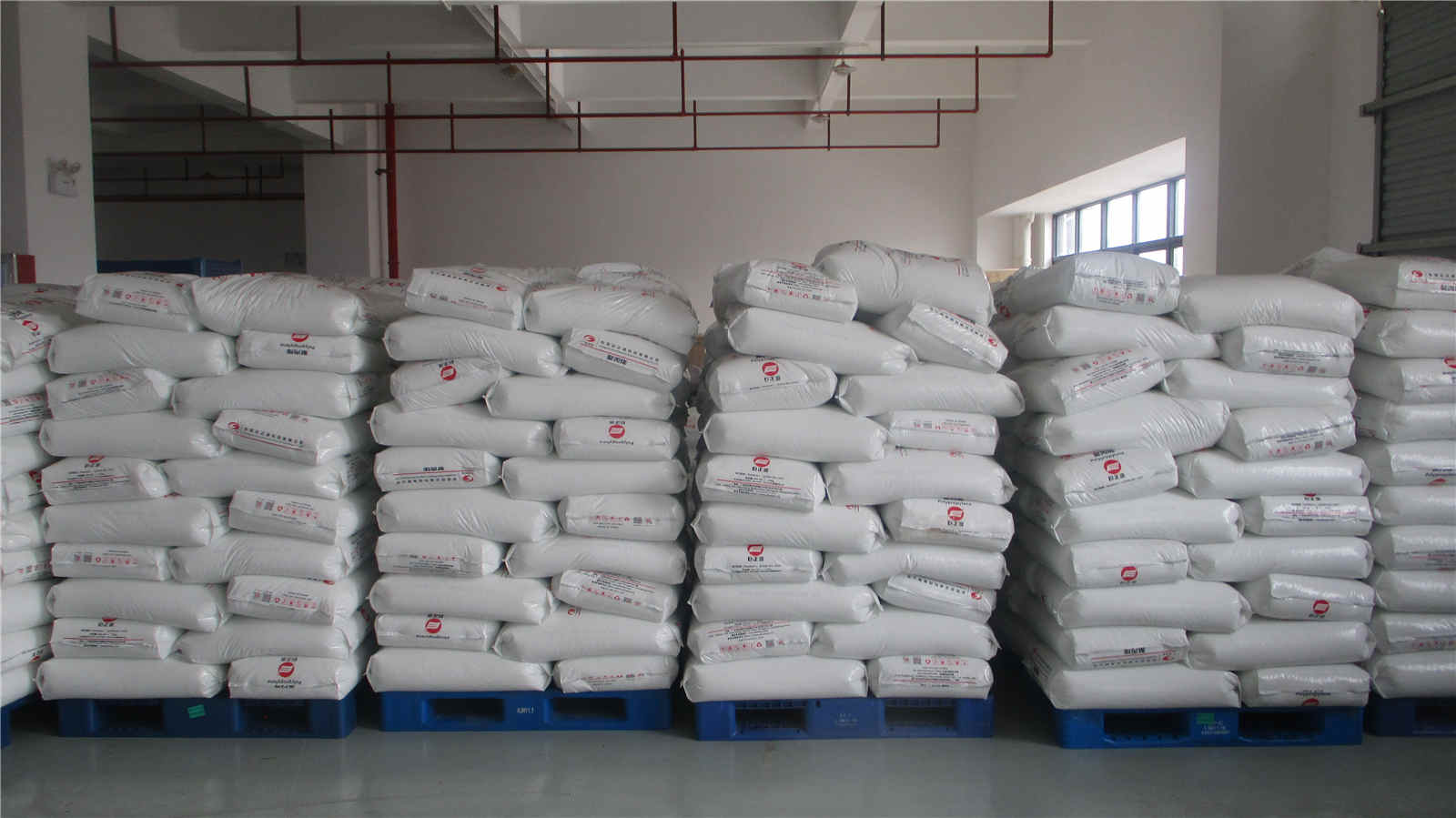
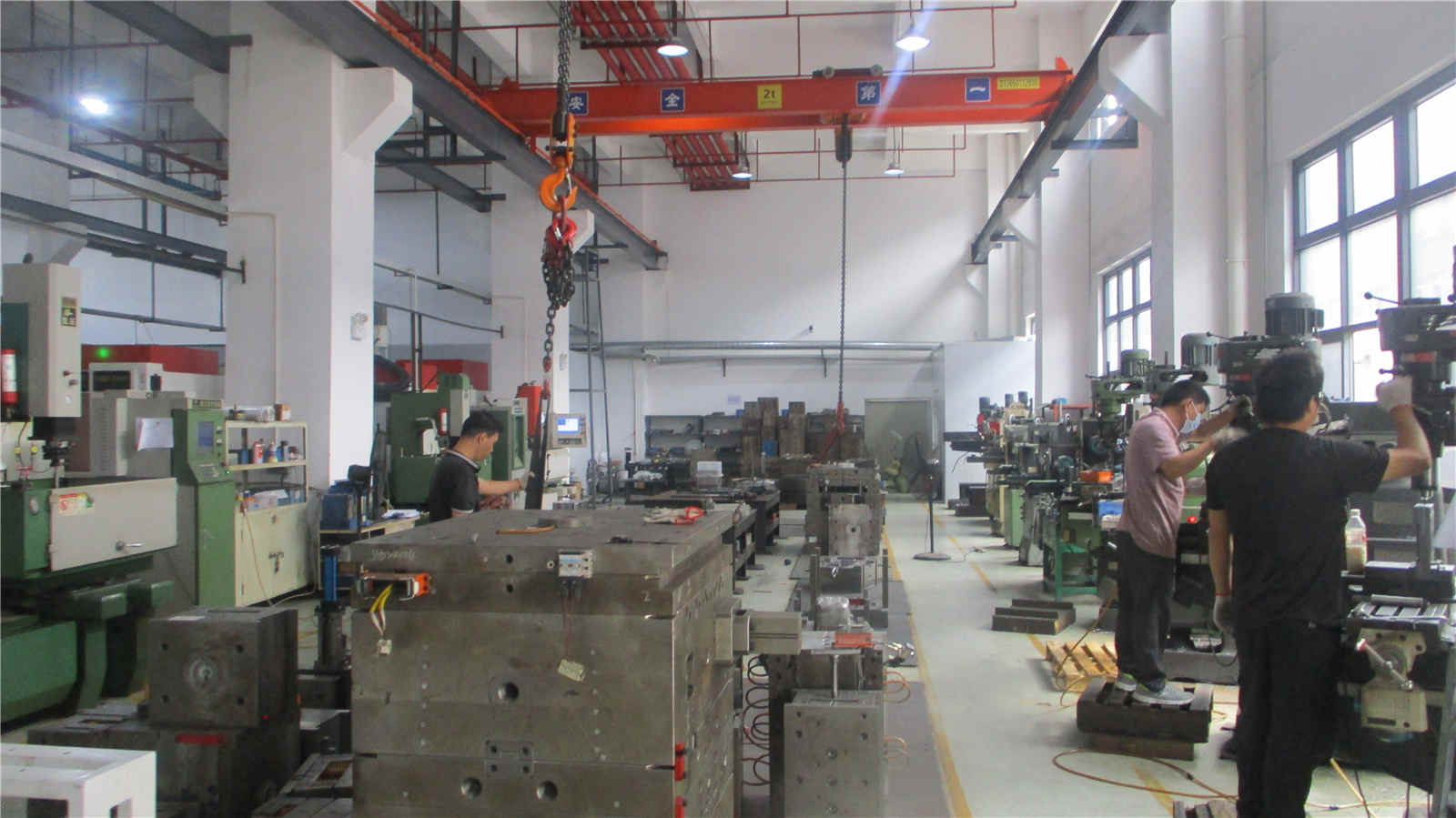
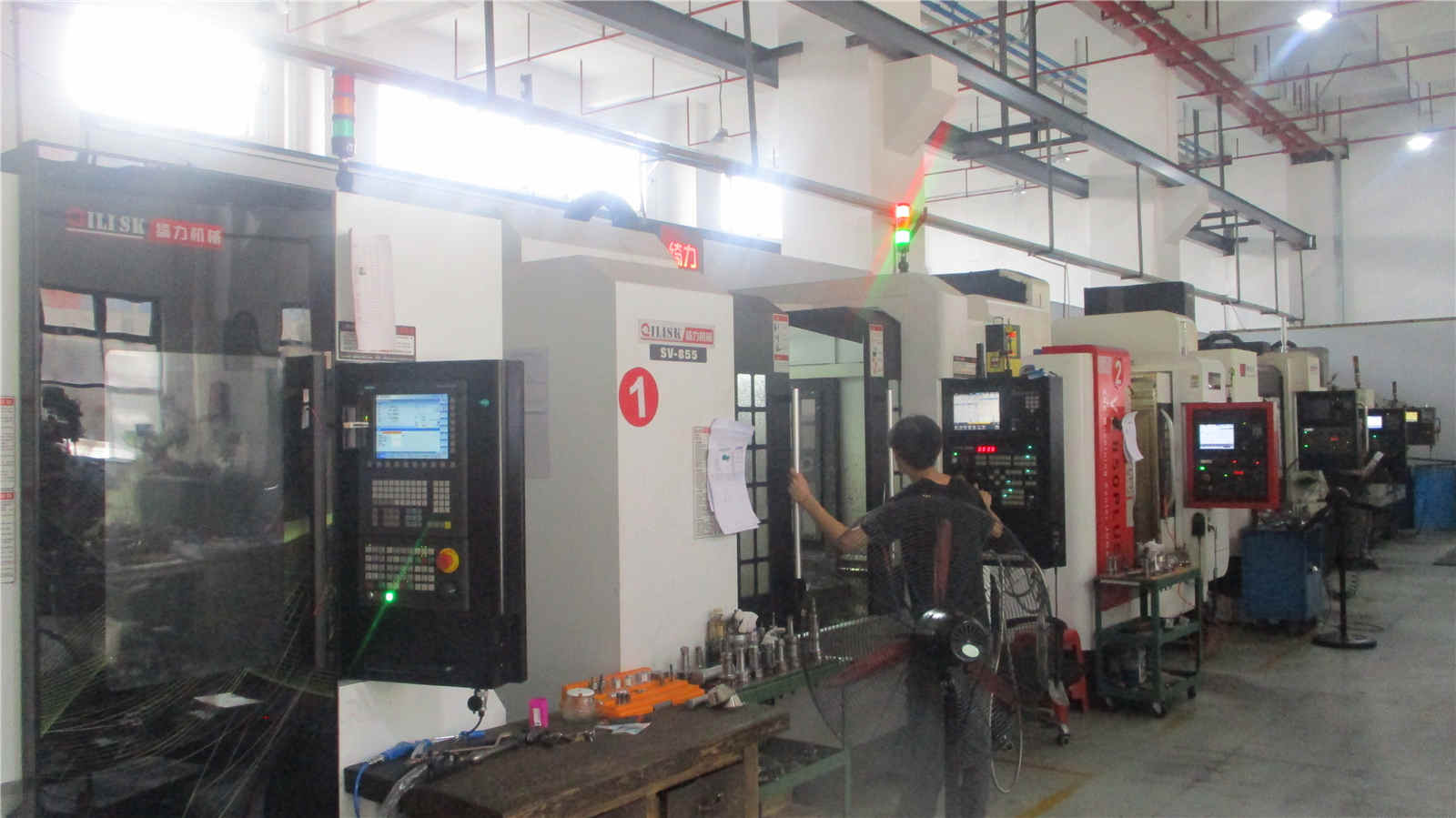
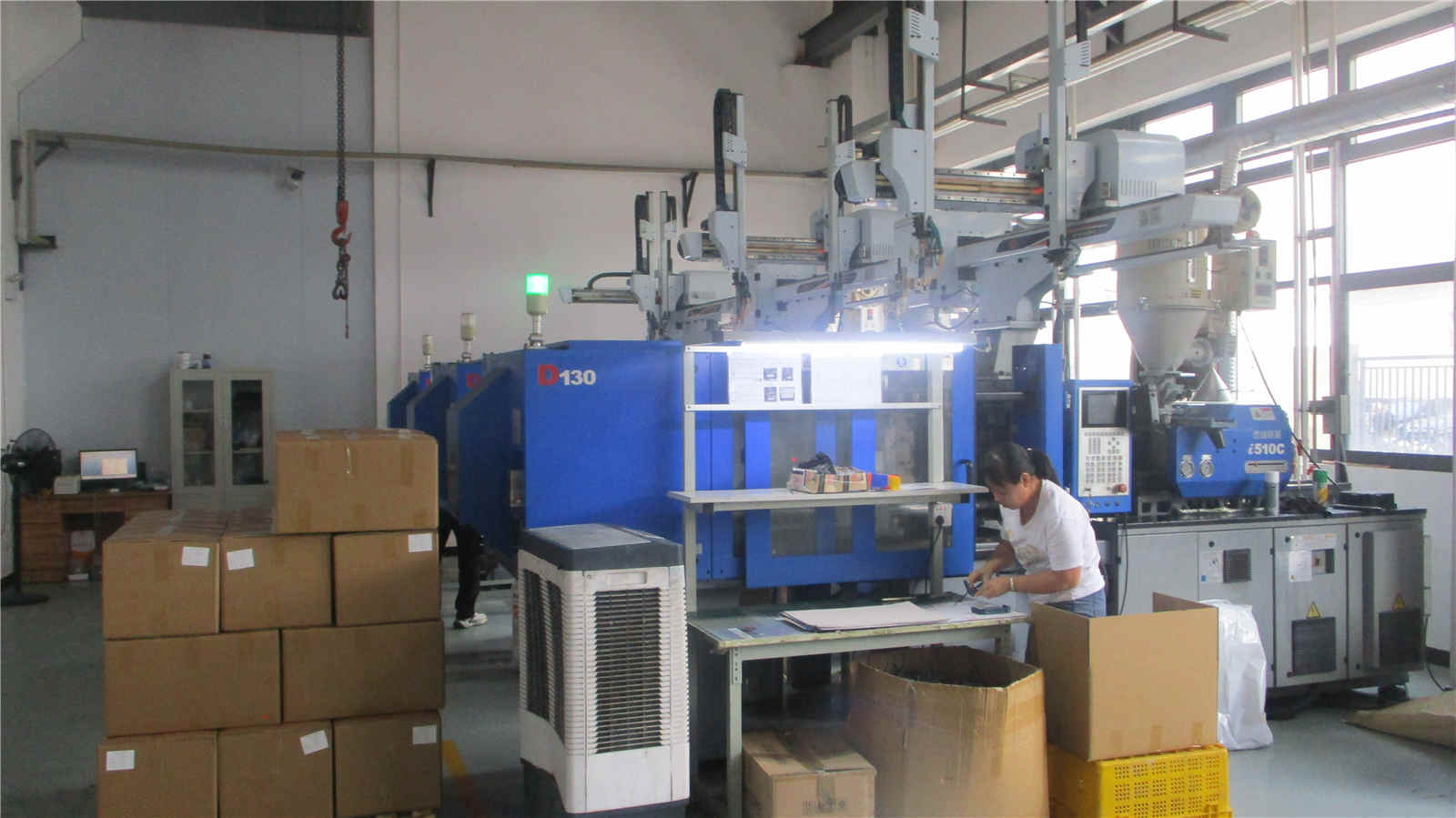
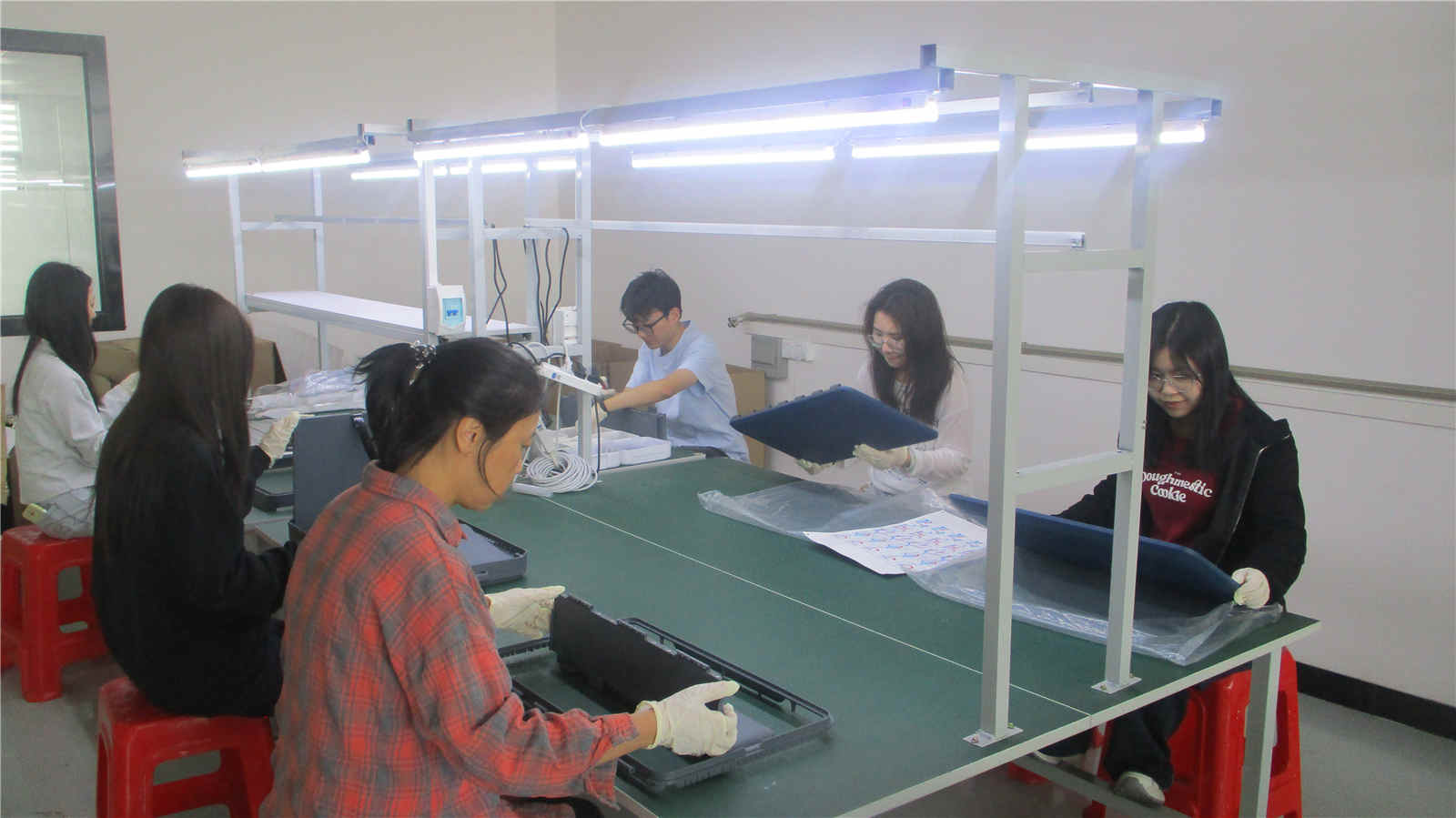
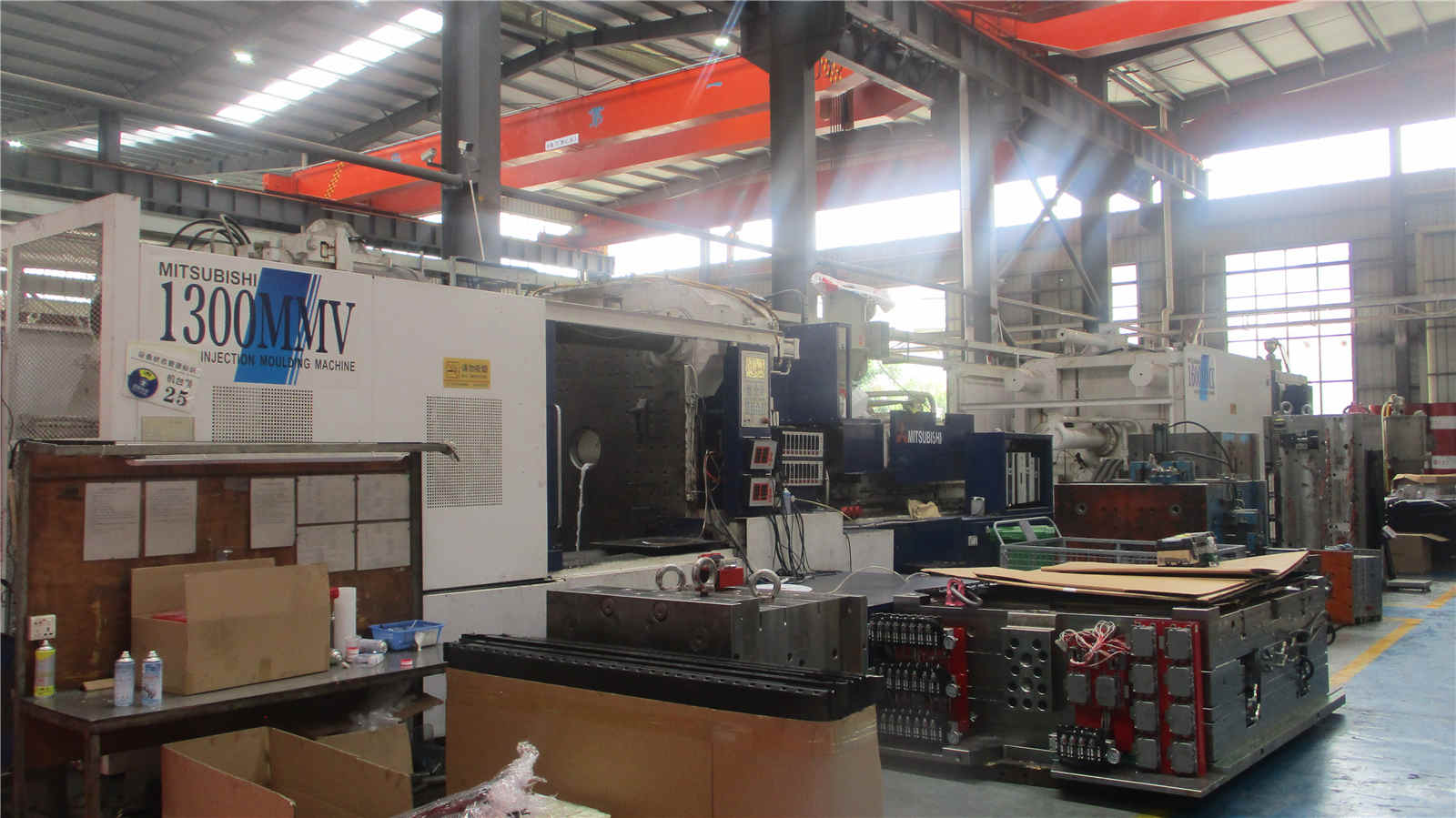
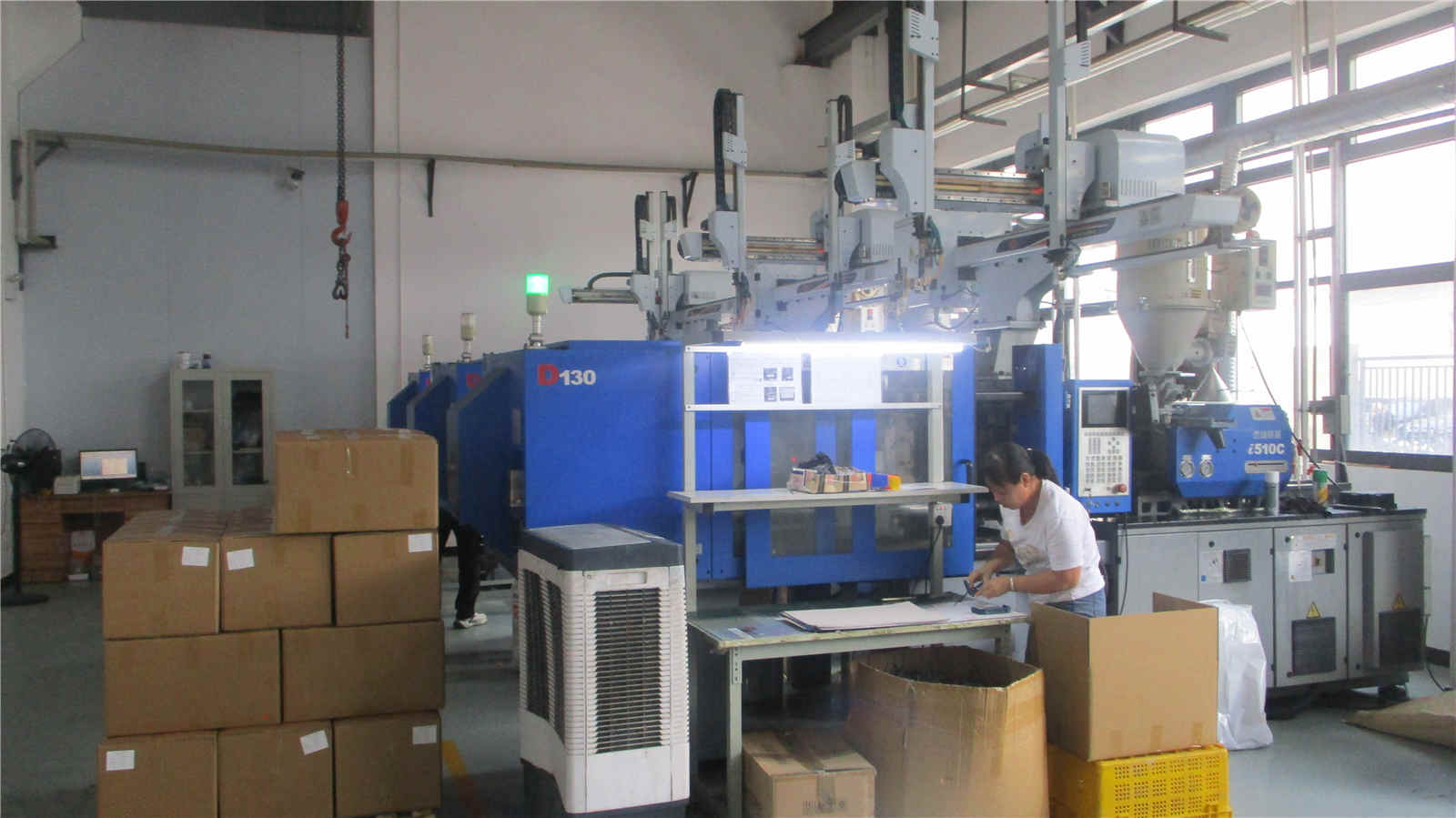
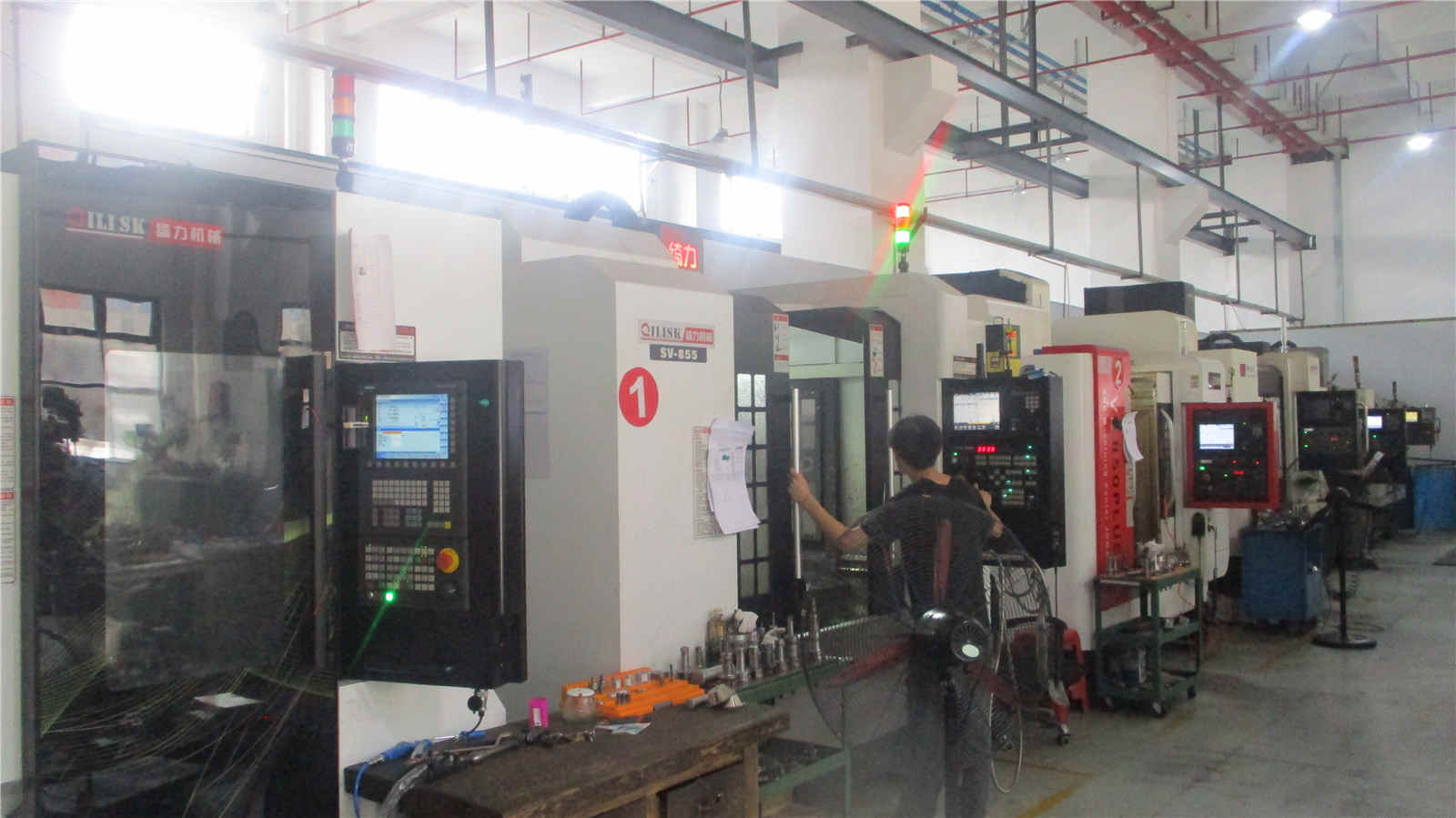
Advanced Manufacturing Infrastructure & Processing Workflow
Global Procurement Challenges & Supply Chain Mitigation
Procuring contract furniture at container volume scale introduces macro-economic complexities, from regulatory compliance to regional logistics challenges. Successful sourcing directors prioritize suppliers that offer risk-managed logistics alongside physical product quality.
Navigating Antidumping Duties and Tariffs
For import markets in North America and the European Union, heavy tariffs and antidumping duties on Chinese metallic furniture require careful navigation. Many tier-1 manufacturers offer customized assembly options (CKD - Completely Knocked Down) which alter the tariff classification code (HS Code), reducing duty exposure. Furthermore, working with partners who maintain compliant customs documentation prevents shipping delays at destination ports.
Quality Assurance Protocol (QAP) for Bulk Shipments
Relying on post-delivery inspection exposes buyers to severe capital risk. Top suppliers implement strict pre-shipment testing processes including:
- Coating Adhesion Testing (Cross-Cut Test): Ensures the powder coating will not flake or peel under mechanical impacts.
- Fatigue Testing: Simulates years of usage by cycling static and dynamic loads on the chair seat and backrest.
- Salt Chamber Simulation: Exposing production samples to pressurized saltwater mists to verify the integrity of the anti-corrosion barrier.
The Technical Future: Wrought Iron & Hybrid Materials
The contract outdoor furniture landscape is moving toward material hybridization. By blending the artistic values of traditional wrought iron with advanced materials like carbon fiber structural inserts or lightweight aluminum alloys, next-generation products achieve weight reductions of up to 35% without losing structural stability.
AI-Driven Generative Structural Optimization
Leading manufacturers are beginning to adopt AI structural design programs. These programs analyze real-world strain and stress patterns to optimize the thickness of iron pipes where load concentrations are highest, while reducing thickness elsewhere. This results in lighter furniture that uses less raw material and lowers transportation emissions.
Frequently Asked Questions (FAQ)
Crucial technical answers regarding metallurgy, corrosion protection, and bulk procurement logistics.
Featured Outdoor & Camping Furniture Solutions - Part II
Further designs from our export-ready collection, combining ergonomic design with weather-resistant finishes.