Forza Furniture
Premium OEM Seating Showcase
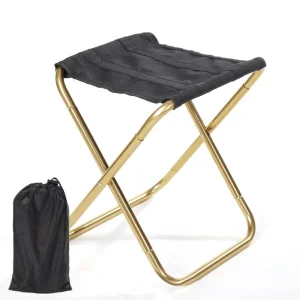
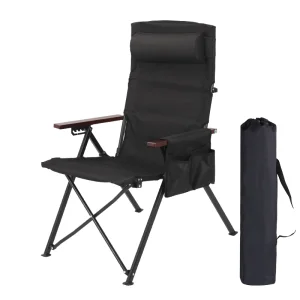
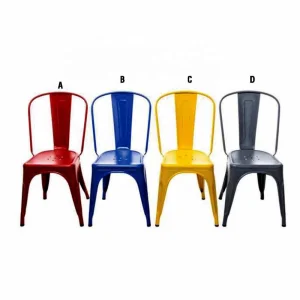
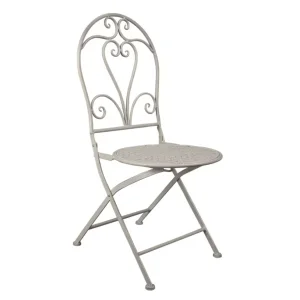
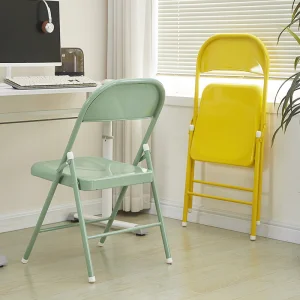
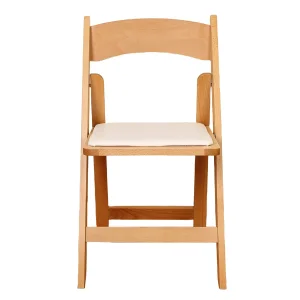
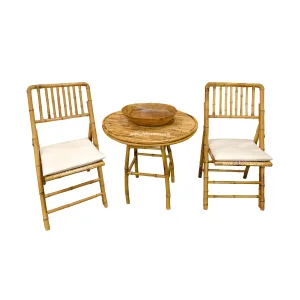
Explore our signature engineering designs including wrought iron, lightweight aluminum alloys, and custom fabrics crafted for commercial stability.
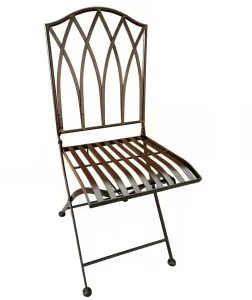
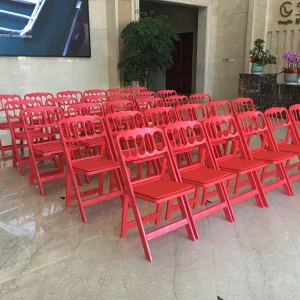
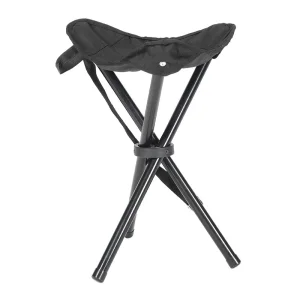
1. The Evolution of Collapsible Picnic Chairs: Market Intelligence & B2B Trends
The global demand for portable outdoor furniture has experienced a profound structural shift. Driven by the expansion of outdoor recreation markets, structural changes in retail distribution, and consumer demand for robust yet lightweight solutions, the collapsible picnic chair has transformed from a basic utility item into a highly engineered piece of outdoor gear. Modern supply chain managers can no longer rely on standard generic offerings. Brand differentiation requires advanced material compositions, ergonomic structural validation, and strict compliance with global sustainability criteria.
Key drivers behind this market evolution include:
- Micro-Mobility & Ultralight Geometries: Consumers demand products that fit effortlessly into small automotive trunks, public transport luggage compartments, and hiking backpacks.
- Dual-Purpose Residential/Commercial Use: The blurring of lines between residential backyards and commercial outdoor hospitality venues (glamping sites, pop-up events) has heightened the requirement for durable, high-load capacities.
- The Non-Toxic Material Standard: Legislative pressure globally (such as EU REACH compliance and California Proposition 65) has made chemical traceability of coatings, fabrics, and plastics a non-negotiable procurement standard.
2. Material Science & Structural Architecture
To engineer a collapsible chair that is both ultra-light and capable of supporting up to 150kg (330lbs) requires careful optimization of materials and frame geometries.
Advanced Metallurgy
We deploy aircraft-grade 7075 and 6061 aluminum alloys subjected to T6 heat-treatment. This delivers the highest strength-to-weight ratio available, ensuring frames resist structural deformation under cyclic load profiles.
High-Denier Smart Fabrics
Utilizing 600D to 900D cationic polyester Oxford fabric bonded with polyurethane (PU) and water-repellent (DWR) coatings. These fabrics undergo rigorous hydrostatic head testing to ensure long-term weatherproofing and resistance to microbial degradation.
Stress-Tested Engineering Nodes
Connector nodes are the single most common failure point in collapsible furniture. We leverage high-strength impact-resistant Nylon-66 compound joints reinforced with long-glass fiber to maintain flexural elasticity under freezing temperatures.
3. Technical Material Comparison Matrix
For procurement professionals evaluating OEM specifications, selecting the correct material substrate directly impacts shipping costs, product durability, and target price points. The table below details the performance characteristics of various frame and seat materials:
| Material Base | Tensile Strength (MPa) | Weight Profile | Corrosion Resistance | Best Application Environment |
|---|---|---|---|---|
| Aircraft-Grade 7075-T6 Aluminum | 572 MPa | Ultra-light (2.7 g/cm³) | Outstanding (Anodized finish) | Ultralight backpacking, high-end premium retail outdoor gear |
| 6061-T6 Aluminum Alloy | 310 MPa | Lightweight (2.7 g/cm³) | High (Anodized or Powder Coated) | Commercial rental, mass retail, promotional custom picnic lines |
| Carbon Structural Steel (Q235/Q345) | 370 - 490 MPa | Heavy (7.85 g/cm³) | Moderate (Requires heavy powder coat) | High-capacity stationary camping chairs, budget commercial event setups |
| Composite Fiber / Nylon 66 Nodes | 180 MPa | Negligible | Immune | Structural joints and load-bearing articulating nodes |
4. Advanced OEM/ODM Manufacturing: Foshan Forza Furniture Co., Ltd.
Based in the global furniture manufacturing epicenter of Foshan, Guangdong Province, China, Foshan Forza Furniture Co., Ltd. is a leading authority in the design, development, and high-volume manufacture of commercial-grade indoor and outdoor furniture. Our state-of-the-art facility integrates advanced materials development, high-precision machining, and rigorous quality management frameworks.
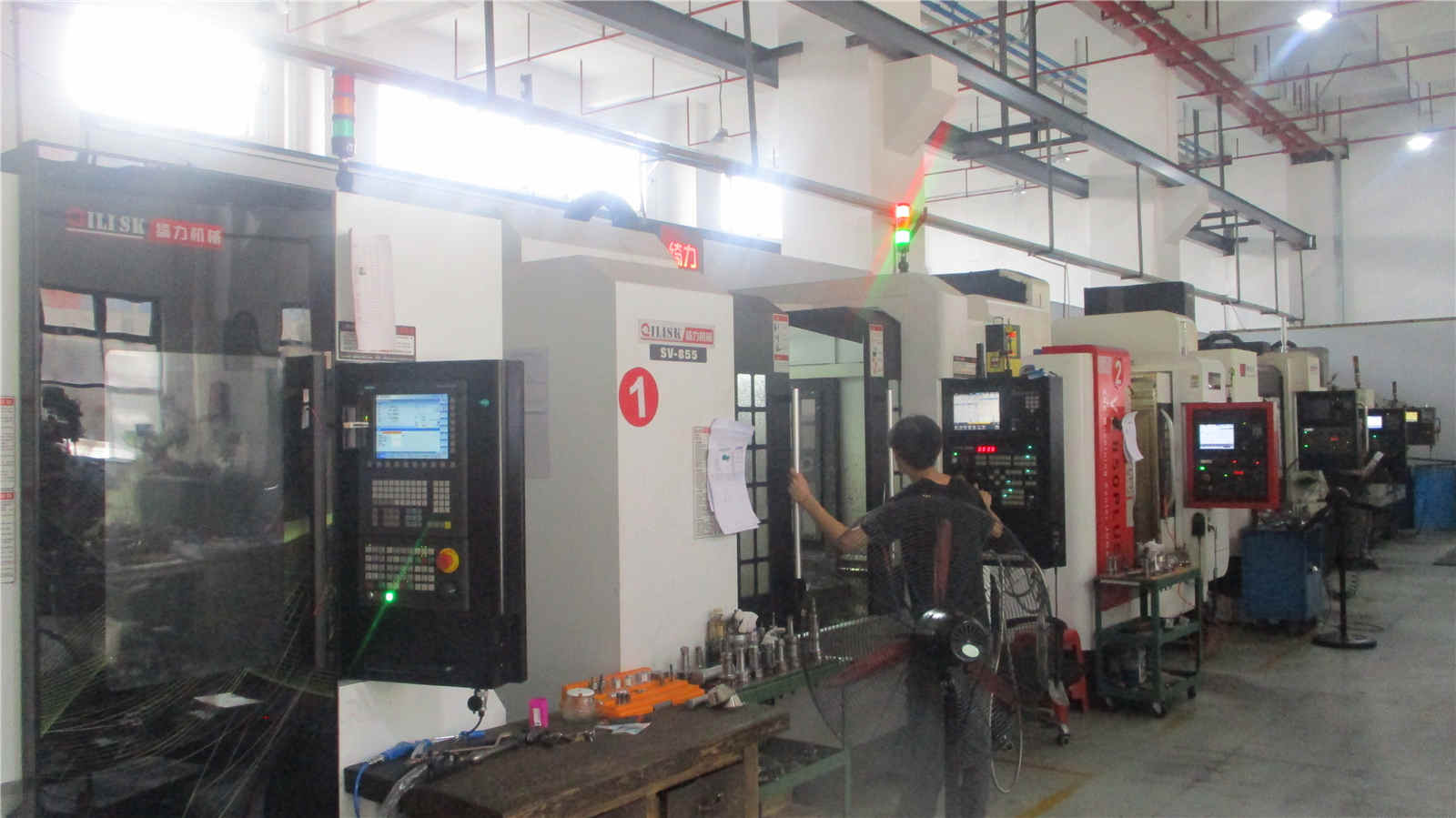
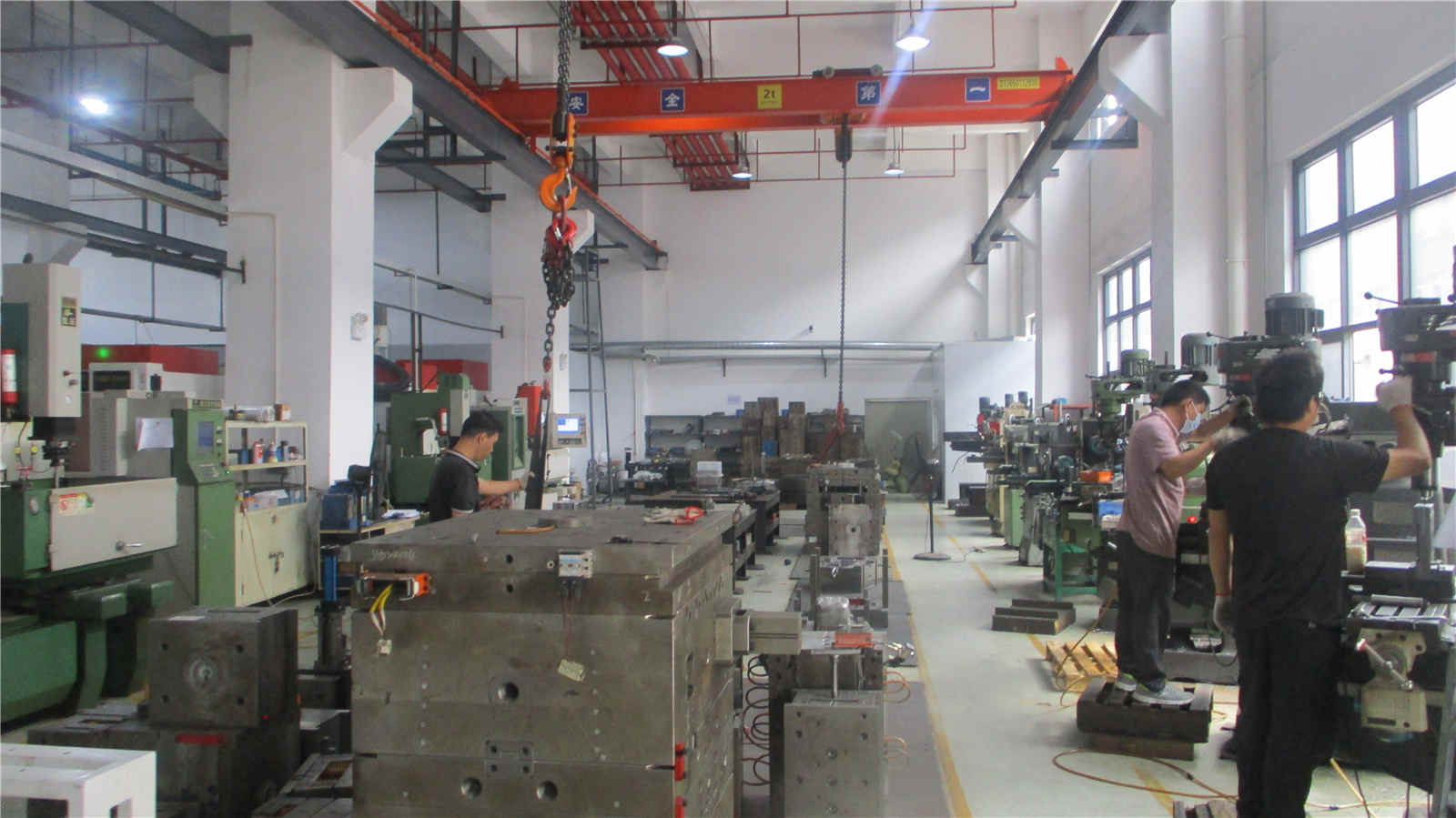
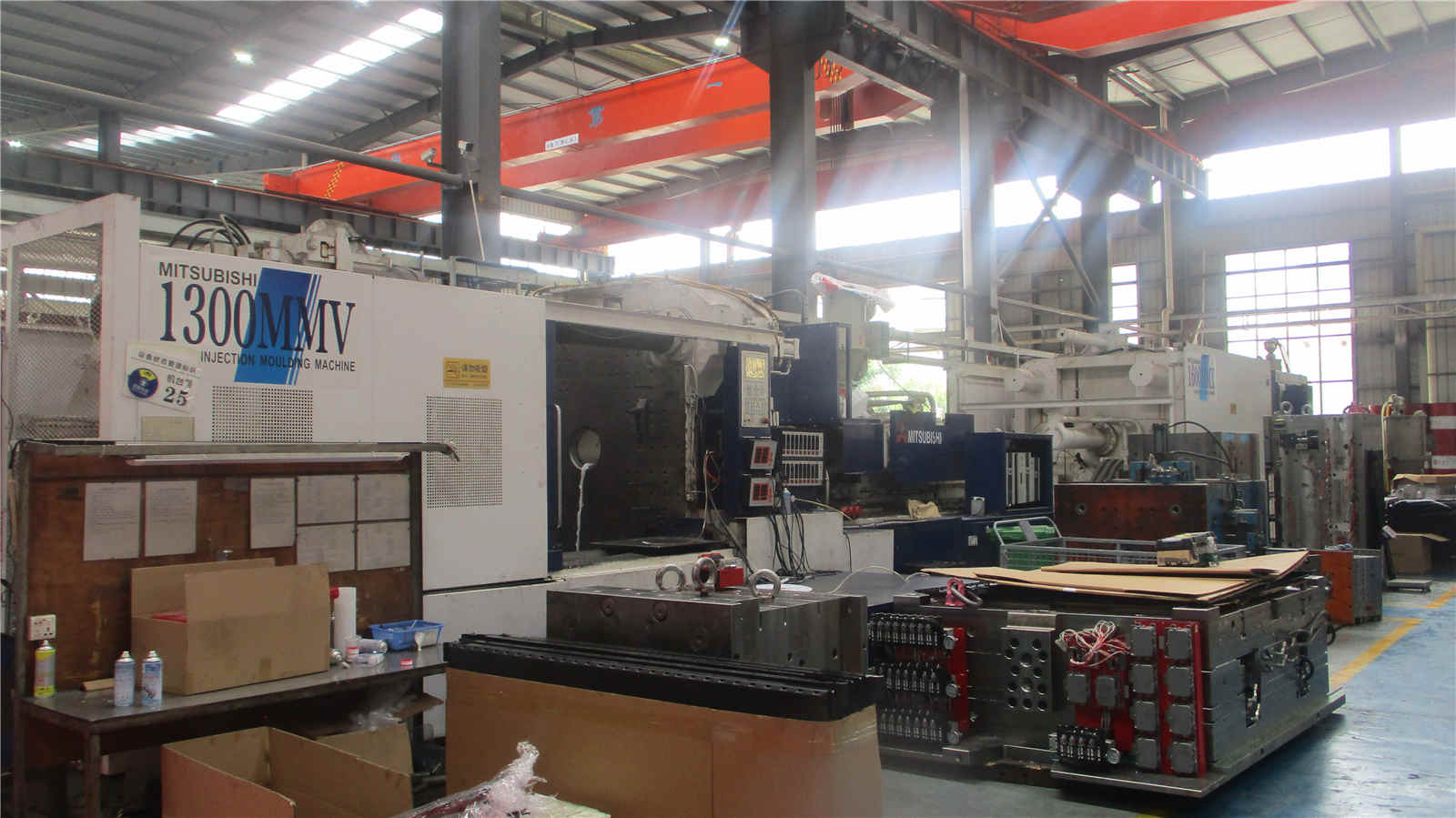
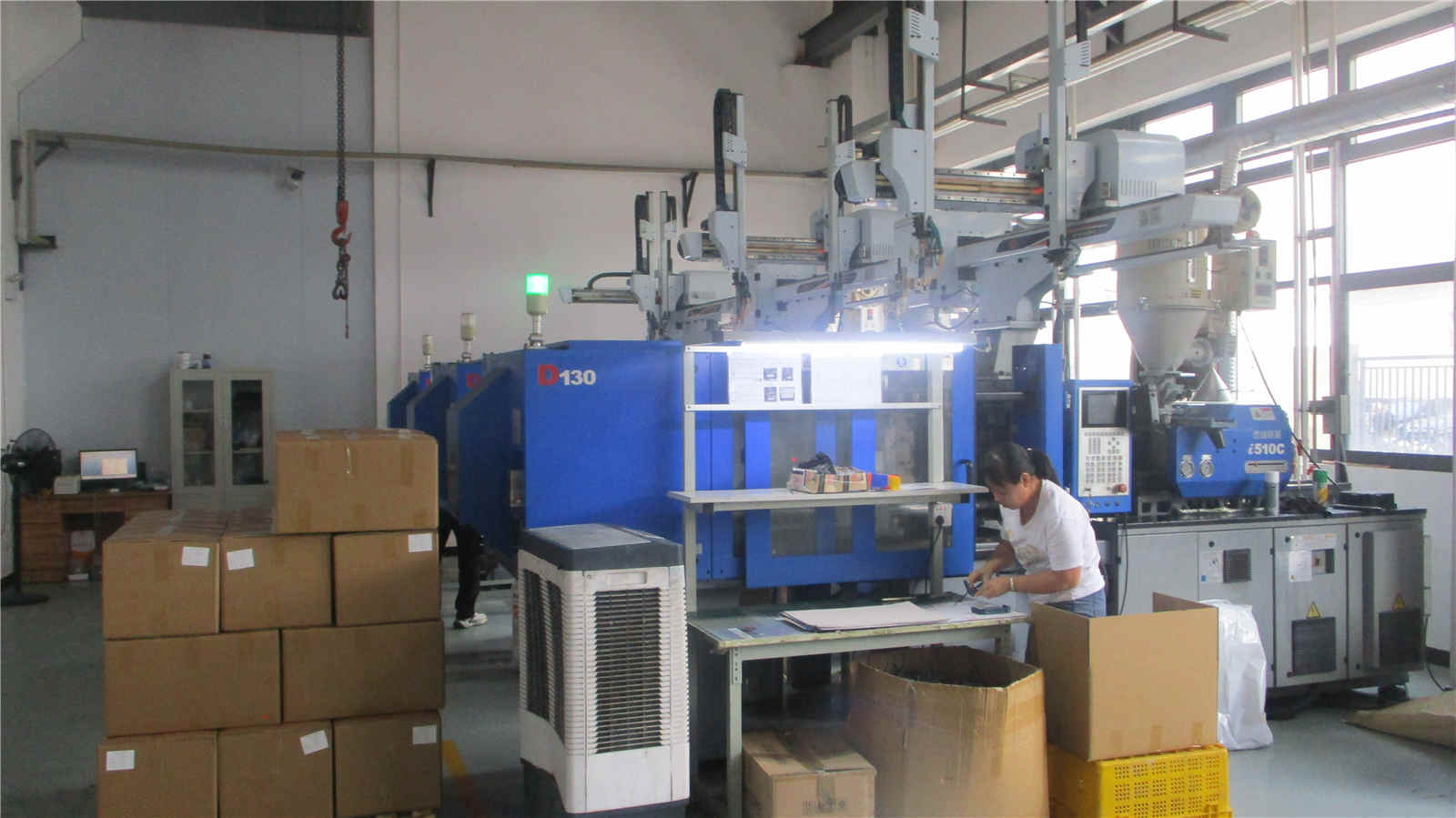
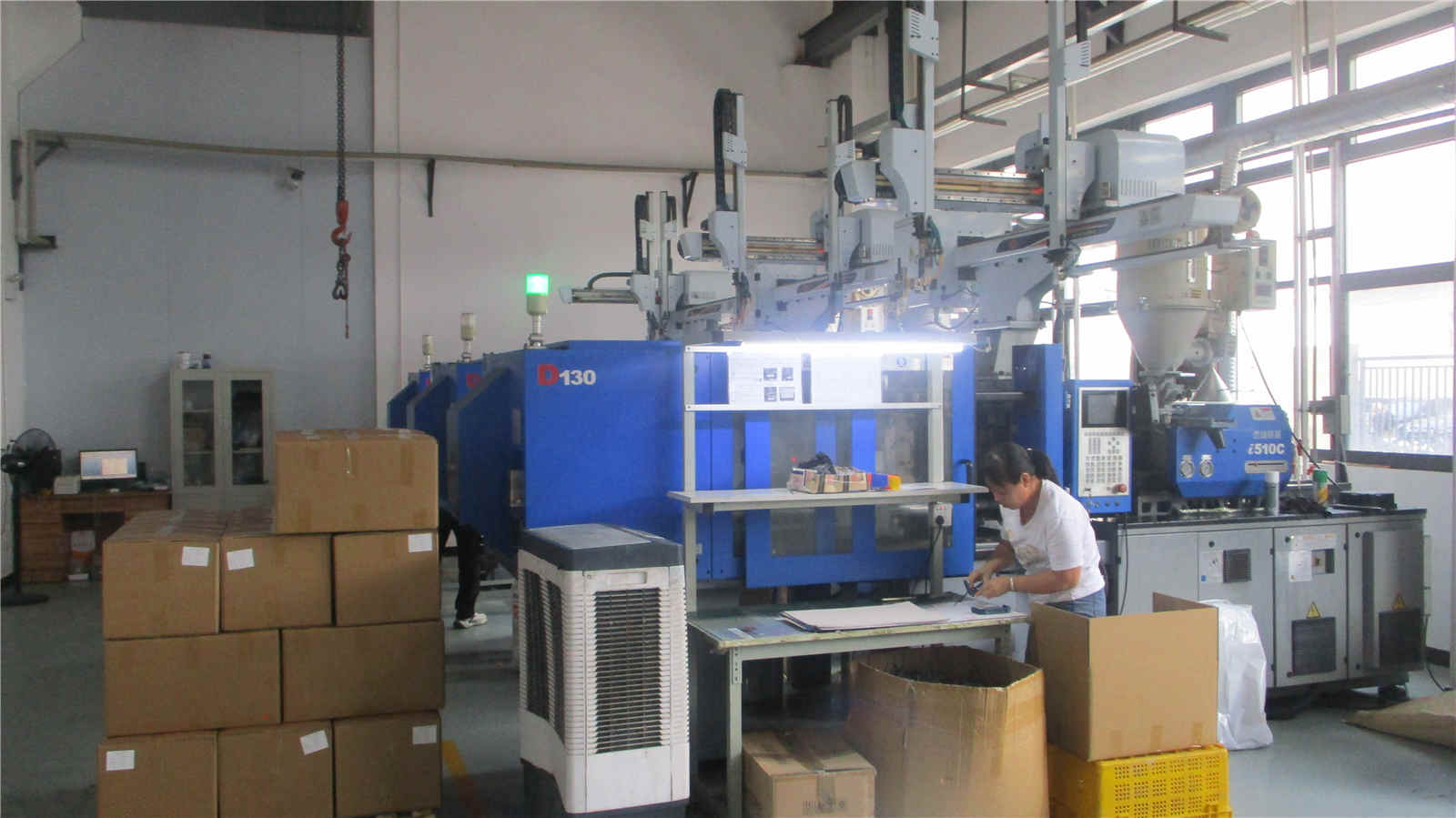
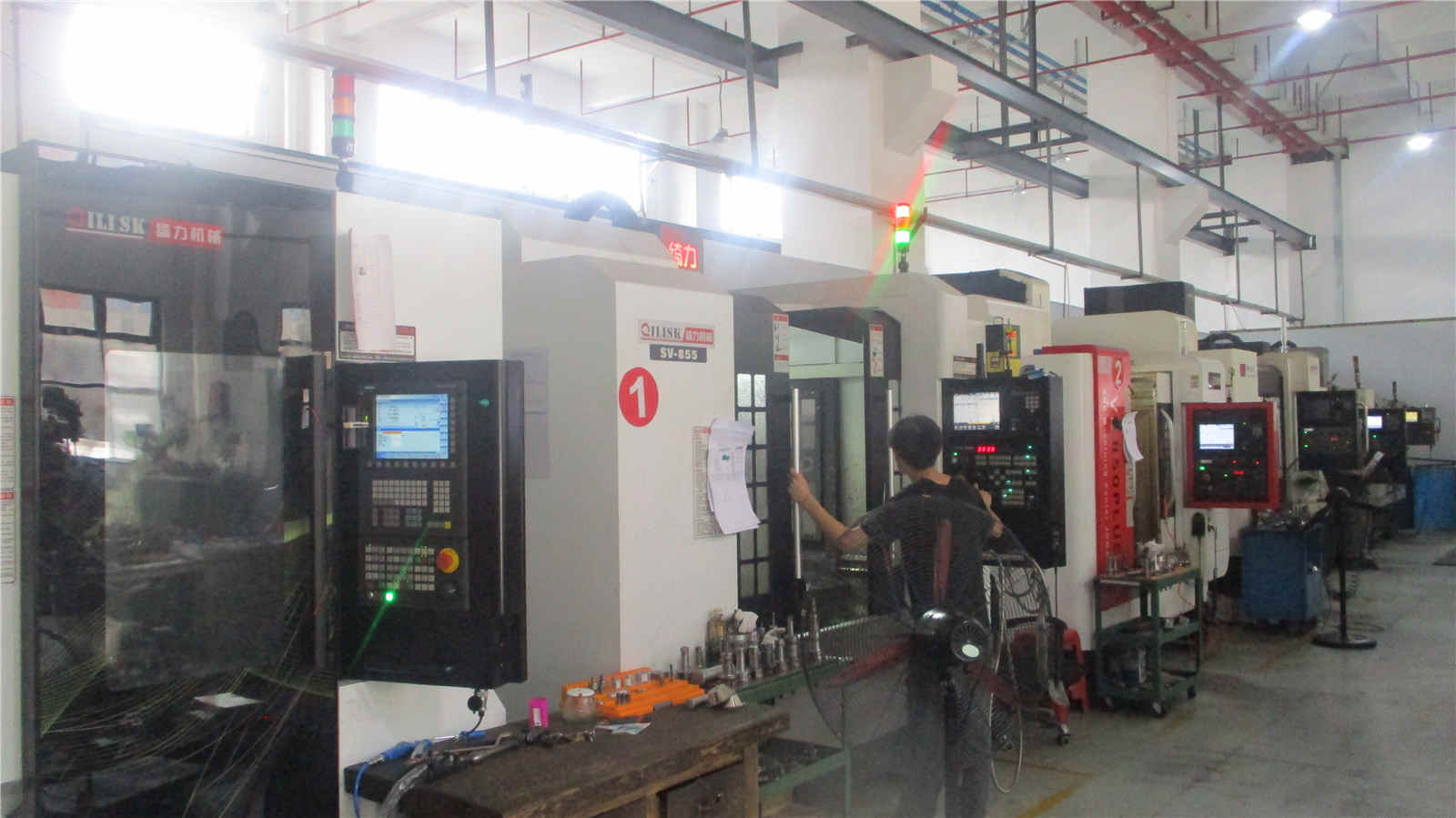
Through our dedicated research division and production management units, we have partnered with major international brands in Europe, North America, Australia, and the Middle East to engineer tailored OEM and ODM solutions. Our production ecosystem is vertically integrated, utilizing cutting-edge CAD/CAM design pipelines, CNC milling, custom high-tonnage plastic injection molding, and proprietary fabric stitching arrays to reduce lead times and ensure exceptional product finish consistency.
Our End-to-End Production Process Flow
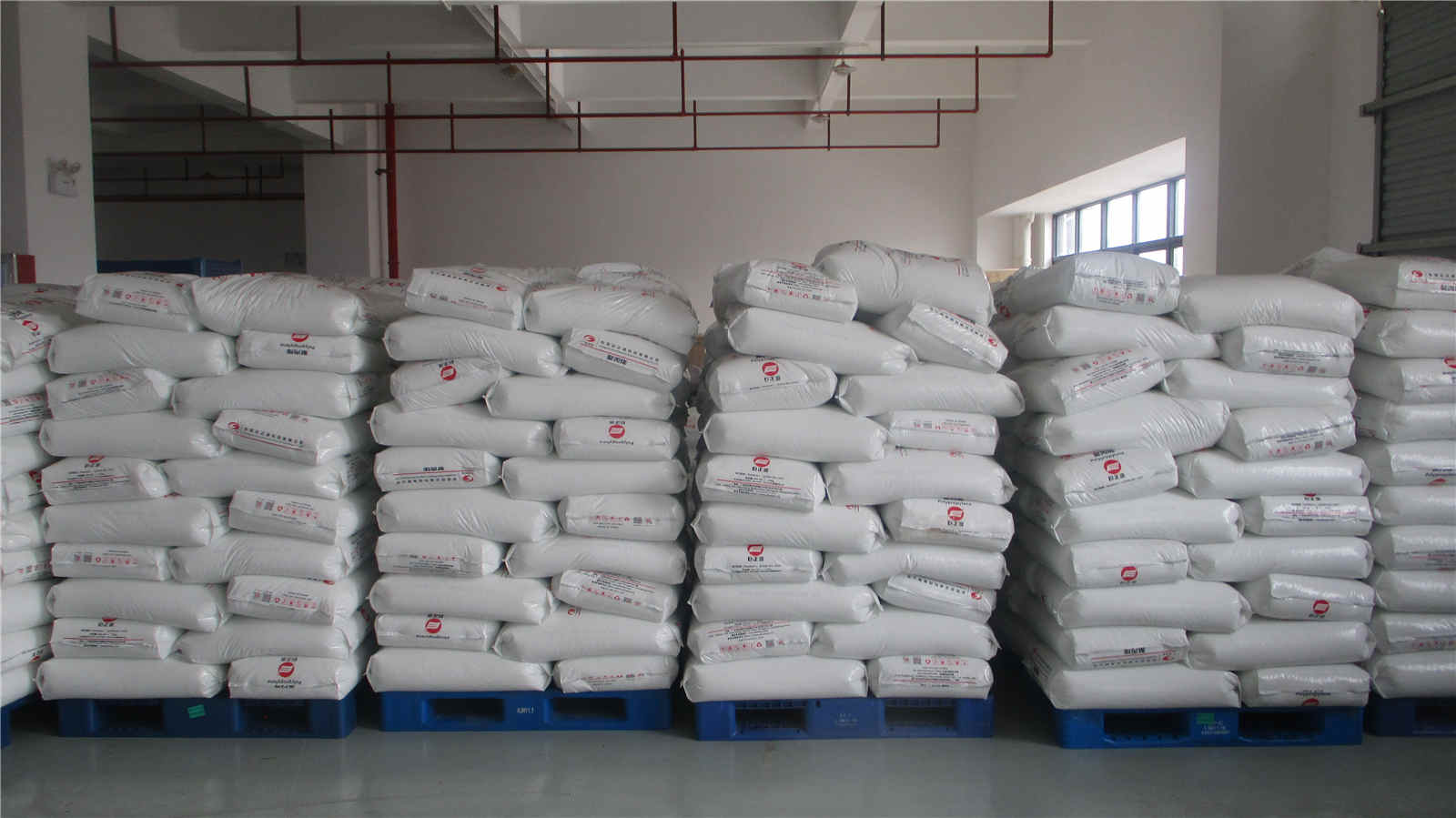
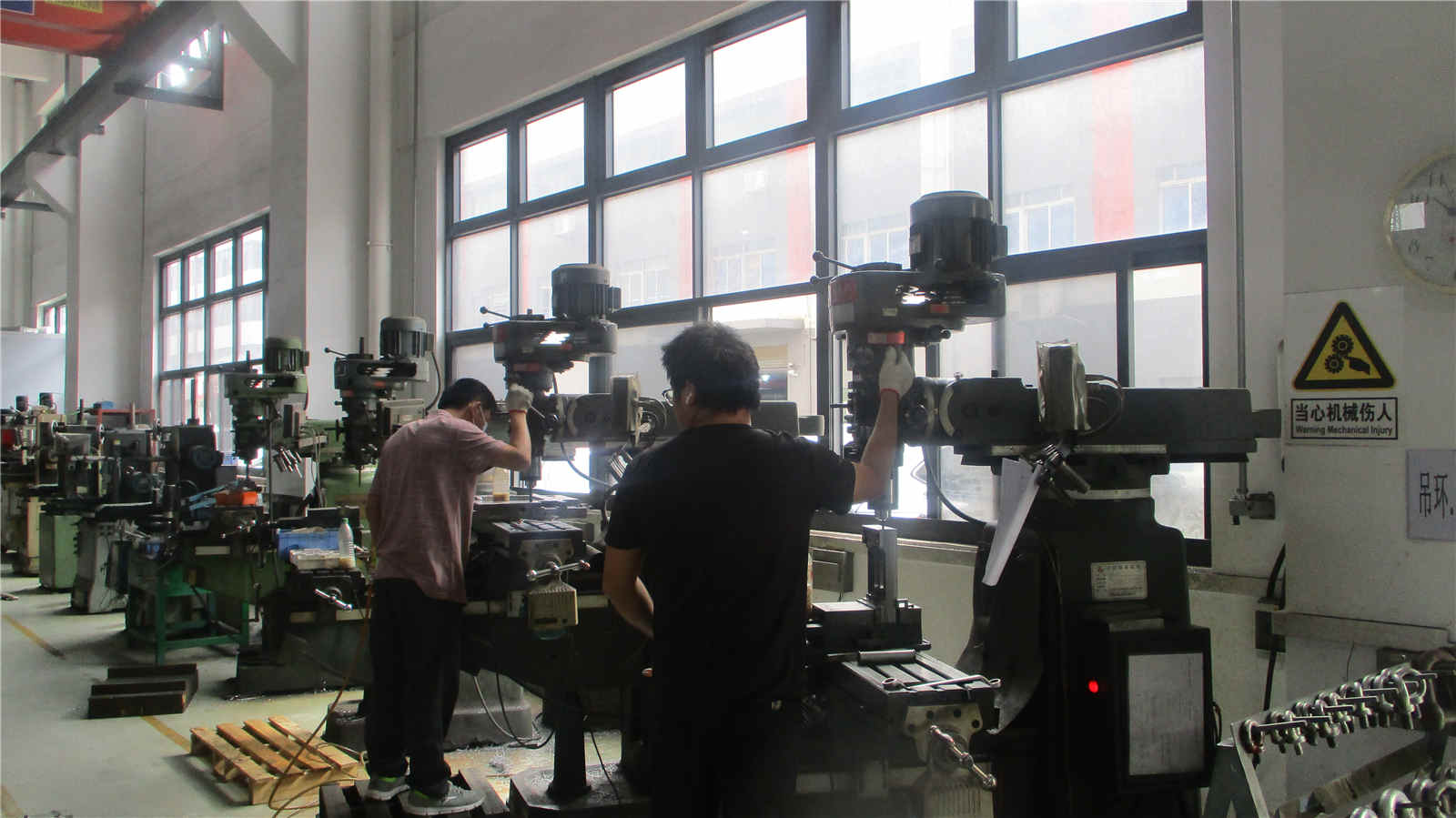
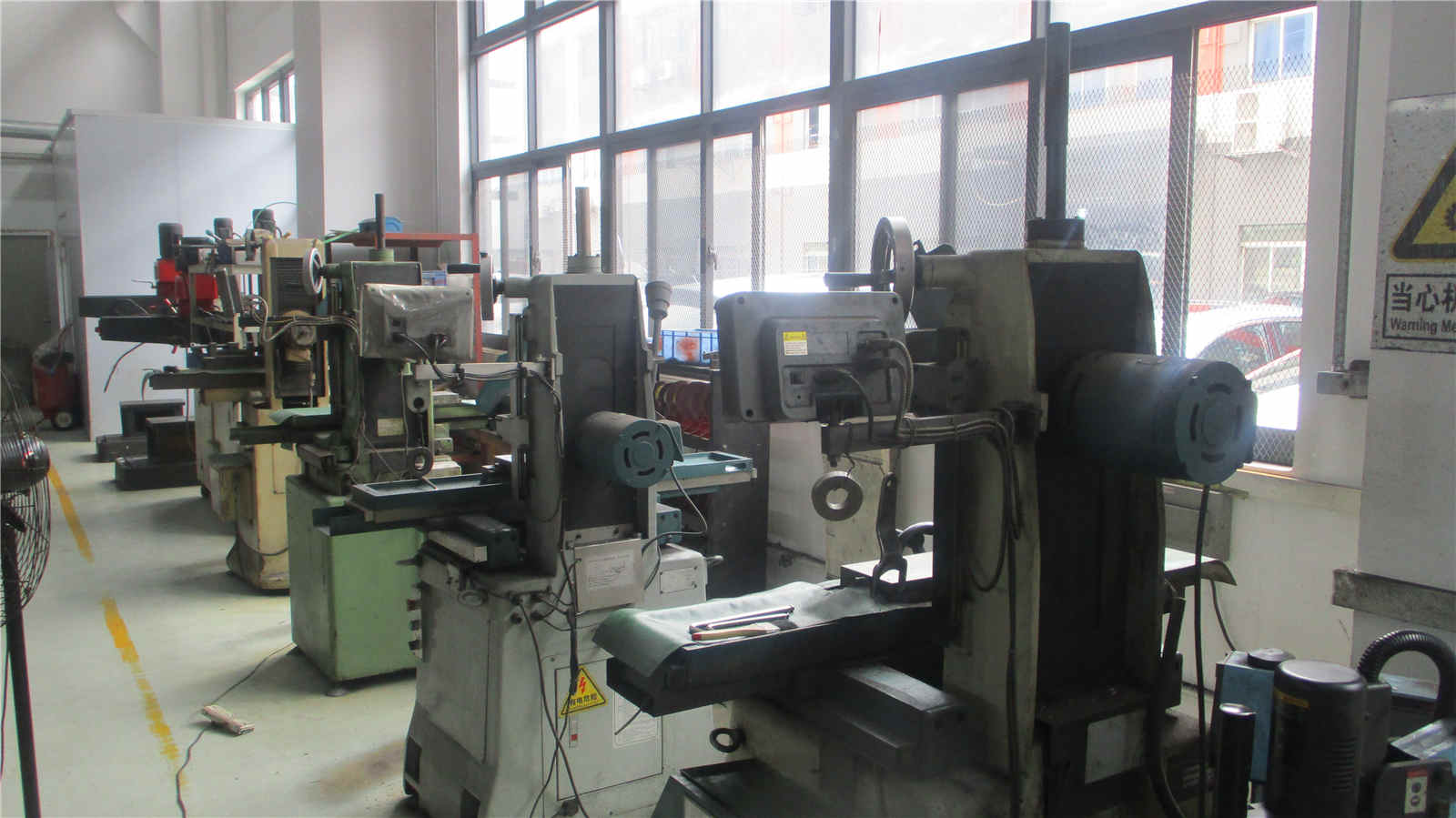
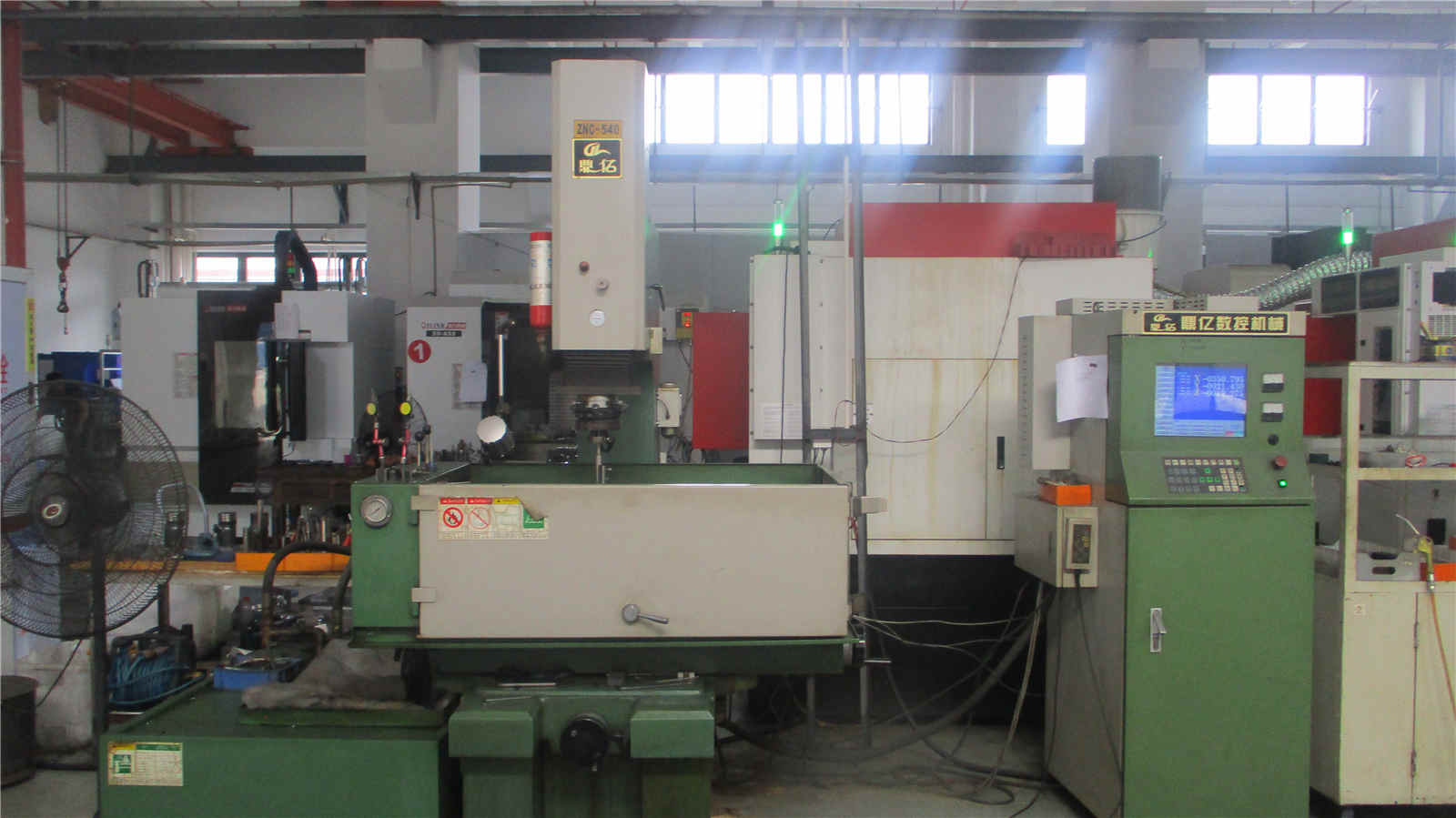
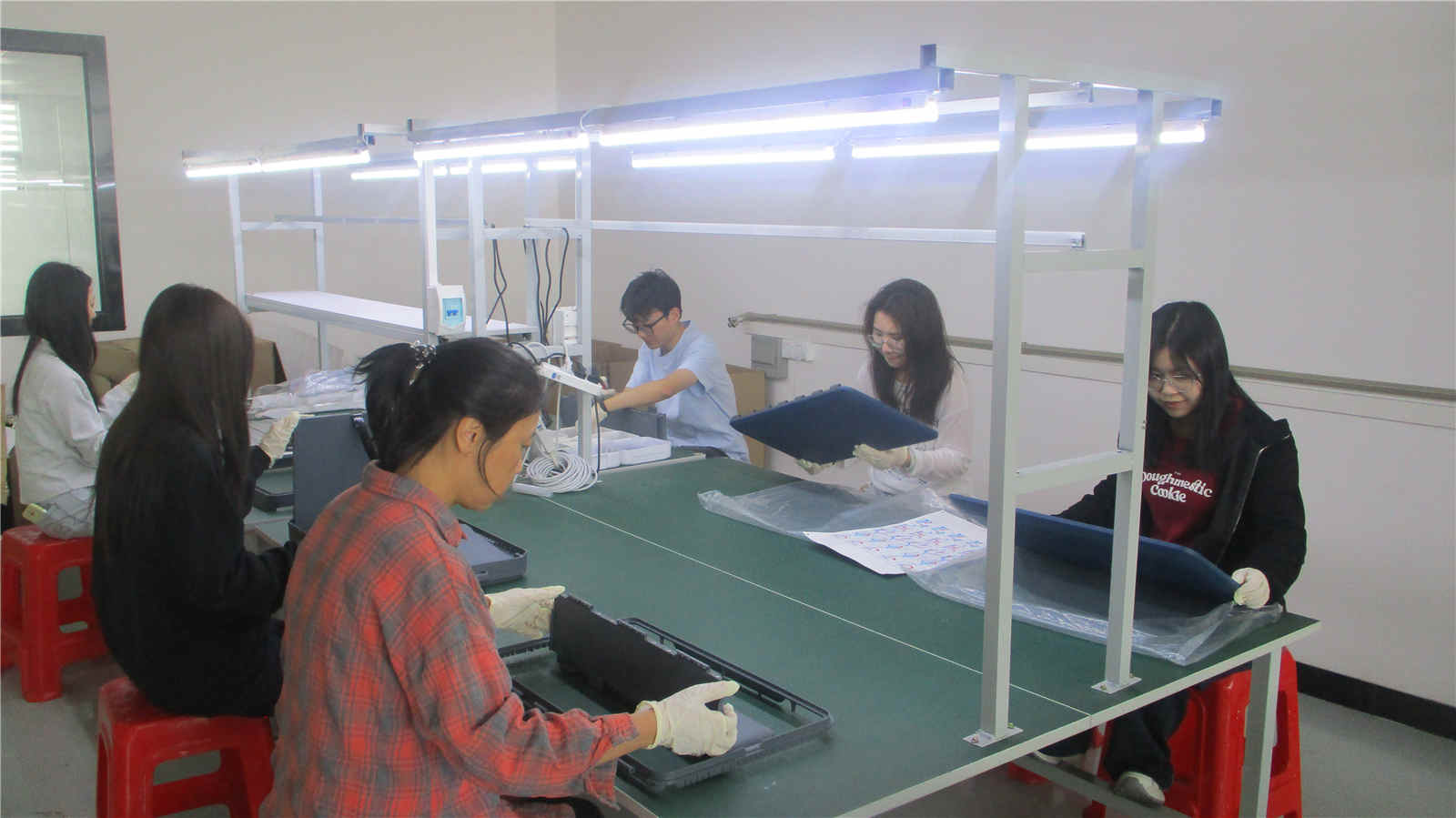
We maintain full process visibility from the intake of raw alloy billets to the final loading of export containers. Below is the visual breakdown of the production and tooling phases conducted inside our Foshan factory premises:
5. Global Procurement Solutions & Compliance Standards
Sourcing outdoor products at scale demands high standards of regulatory and social compliance. Sourcing agents face significant risks if their partners fail basic environmental or safety audits. At Foshan Forza, we mitigate these risks through strict adherence to international testing protocols.
Social & Operational Compliance
Our manufacturing complex is BSCI (Business Social Compliance Initiative) audited. This ensures that every worker in our production line operates under safe, fair, and legally compliant working conditions. Furthermore, our environmental protection systems are fully aligned with the latest municipal waste and emissions standards, guaranteeing uninterrupted year-round production.
Physical Testing & Standard Alignment
We supply products compliant with the following global standards:
- EN 581-1 / EN 581-2: European safety and mechanical requirements for outdoor seating and tables.
- ANSI/BIFMA X5.4: North American standard for public space seating stability and fatigue testing.
- ISO 9227 Salt Spray Testing: Frame coatings are subjected to up to 72 hours of continuous salt mist exposure to verify rust prevention in coastal environments.
6. The OEM Future: Smart Materials & Circular Economy Roadmap
As the outdoor furniture landscape moves toward carbon neutrality, the design phase of custom picnic chairs must evolve. Foshan Forza is actively developing new technologies to help our brand partners lead the market:
Bio-Based & Recycled Composites
We are researching recycled ocean-bound plastics for injection molded joints, and transitioning our structural fabrics to RPET (Recycled Polyethylene Terephthalate) fabrics. This reduces the overall carbon footprint of each unit by up to 35%.
Anti-Sink Hub Designs
Standard chair feet easily sink into wet mud or loose sand. Our engineering team has patented modular anti-sink, wide-surface feet that clip securely to standard frame legs, providing stability across diverse terrains.
7. B2B Sourcing FAQ (Frequently Asked Questions)
Answers to critical questions regarding technical specs, custom molds, logistics, and pricing policies.
Extended Outdoor & Specialty Seating Catalog
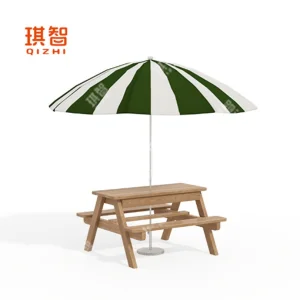
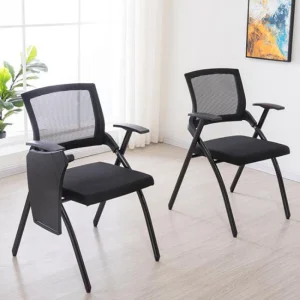
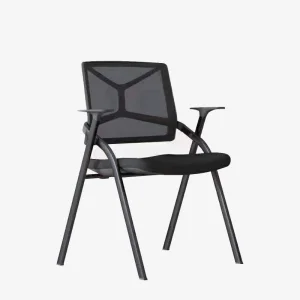
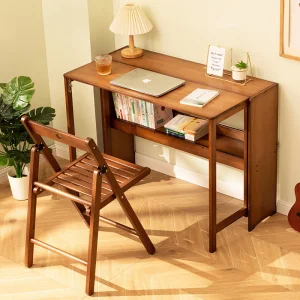
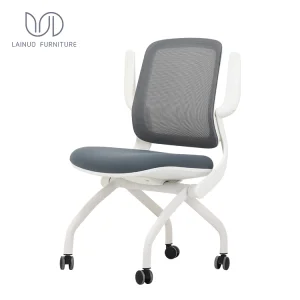
Explore additional ergonomic styles, kids designs, conference options, and portable tables manufactured to the same precise engineering standards.