Forza Furniture
Featured Sourcing Configurations - Series A
Premium outdoor event gear, heavy-duty hospitality seating, and modular space-saving designs for global contract clients.
Global Suitcase Picnic Sets Market & Sourcing Framework
Analyzing key structural shifts in consumer leisure trends, contract hospitality procurement demands, and material sciences driving the outdoor furniture segment.
The global demand for Suitcase Picnic Sets and portable outdoor dining infrastructure has shifted from basic recreation toward highly technical, multi-scenario contract solutions. Modern procurement specialists in the hospitality, disaster-relief, and global events sectors no longer evaluate outdoor folding furniture based solely on pricing. Today, the focus is on mechanical fatigue limits, structural stability, ultraviolet degradation resistance, and compact container load optimization.
From an industrial perspective, a "suitcase picnic set" refers to integrated or modular tables and chairs that collapse into a unified, self-contained transport unit. This structural paradigm reduces logistics expenses by up to 40% compared to traditional non-folding options. Driven by urban spatial limits and the explosive growth of outdoor hospitality (glamping, pop-up bistros, and outdoor corporate setups), these product categories are now vital components of contract portfolios.
The Value of Information Gain in Outdoor B2B Procurement
Traditional sourcing documents often ignore the relationship between polymer crystallization in injection-molded resin and long-term tensile strength. When sourcing wholesale suitcase picnic sets, the quality of the polypropylene (PP) or high-density polyethylene (HDPE) matrix determines the failure rate under sustained load. Our engineering team utilizes advanced compound stabilizers to combat UV-induced polymer chain cleavage, ensuring a product lifespan that exceeds basic commercial expectations.
Production Efficiency & Strategic Ecosystem of Foshan Manufacturers
How structural integration, heavy CNC tooling, and localization factors give Southern China manufacturers a distinct competitive edge.
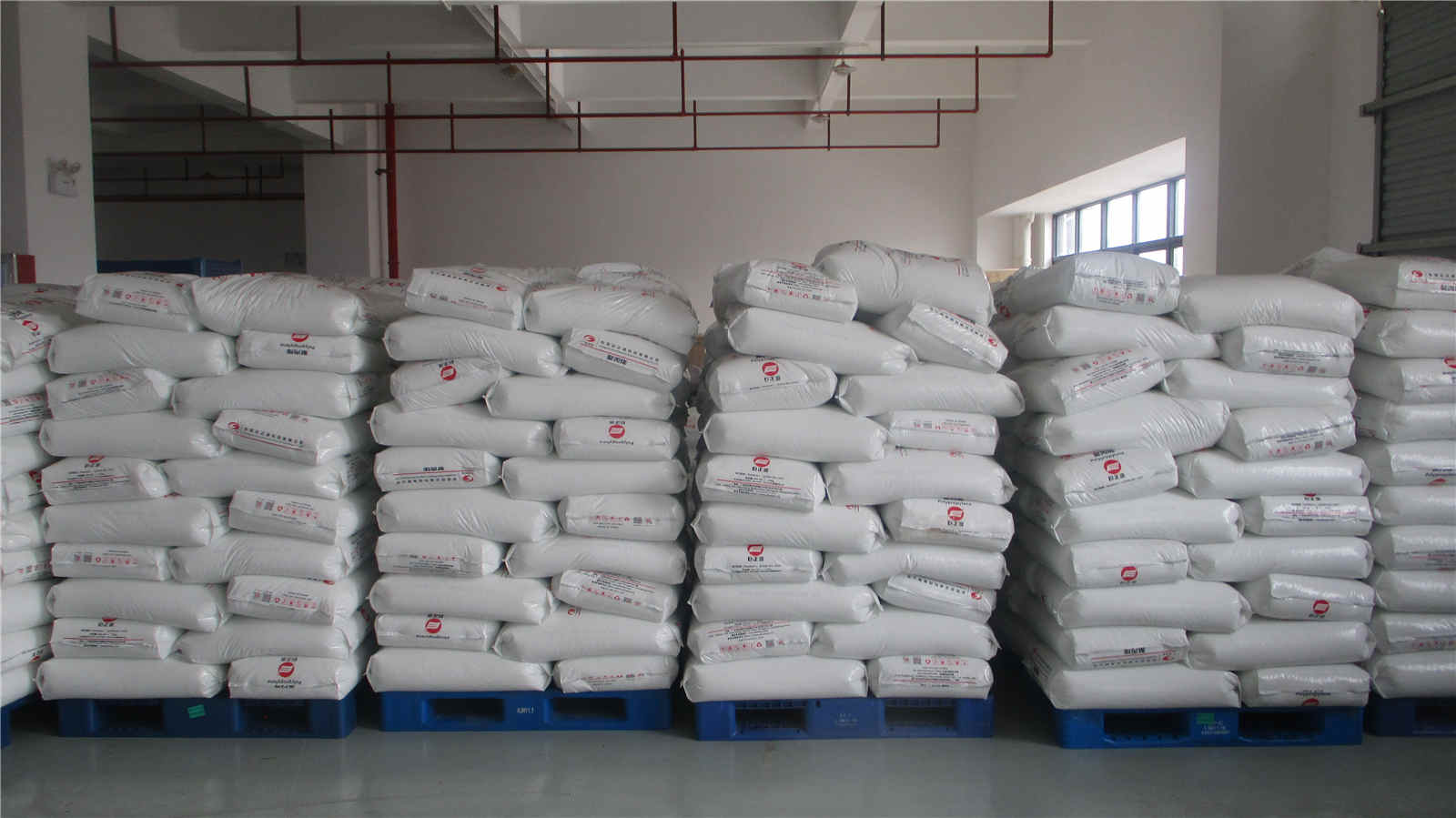
Located within the Shunde-Foshan industrial belt—often hailed as the global capital of furniture manufacturing—Foshan Forza Furniture Co., Ltd. exemplifies the efficiency of highly concentrated supply chain systems. Unlike isolated production facilities, our Foshan-based plants benefit from localized, immediate access to high-grade steel tube mills, chemical polymer custom blenders, precision mold makers, and specialized hardware workshops.
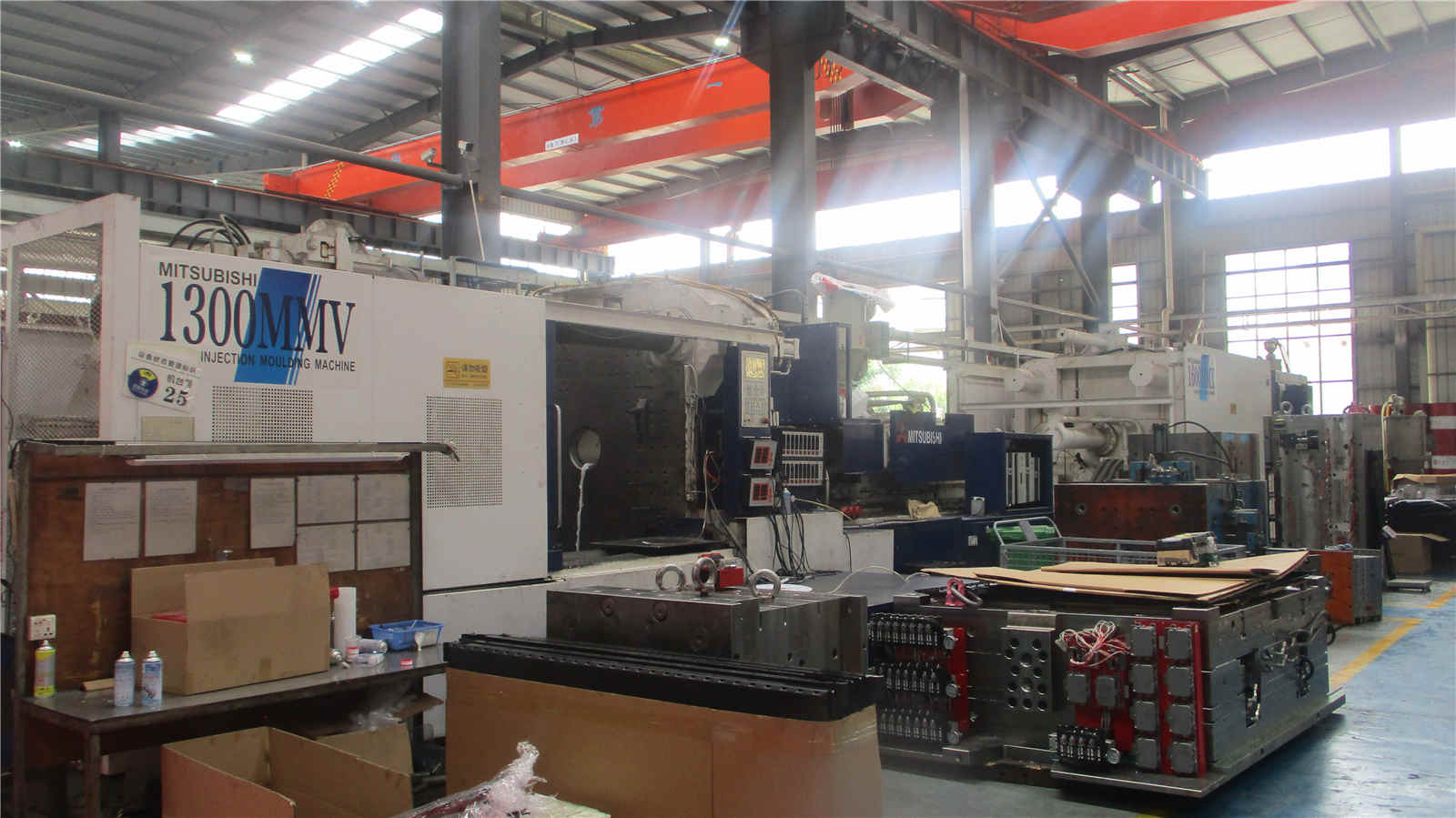
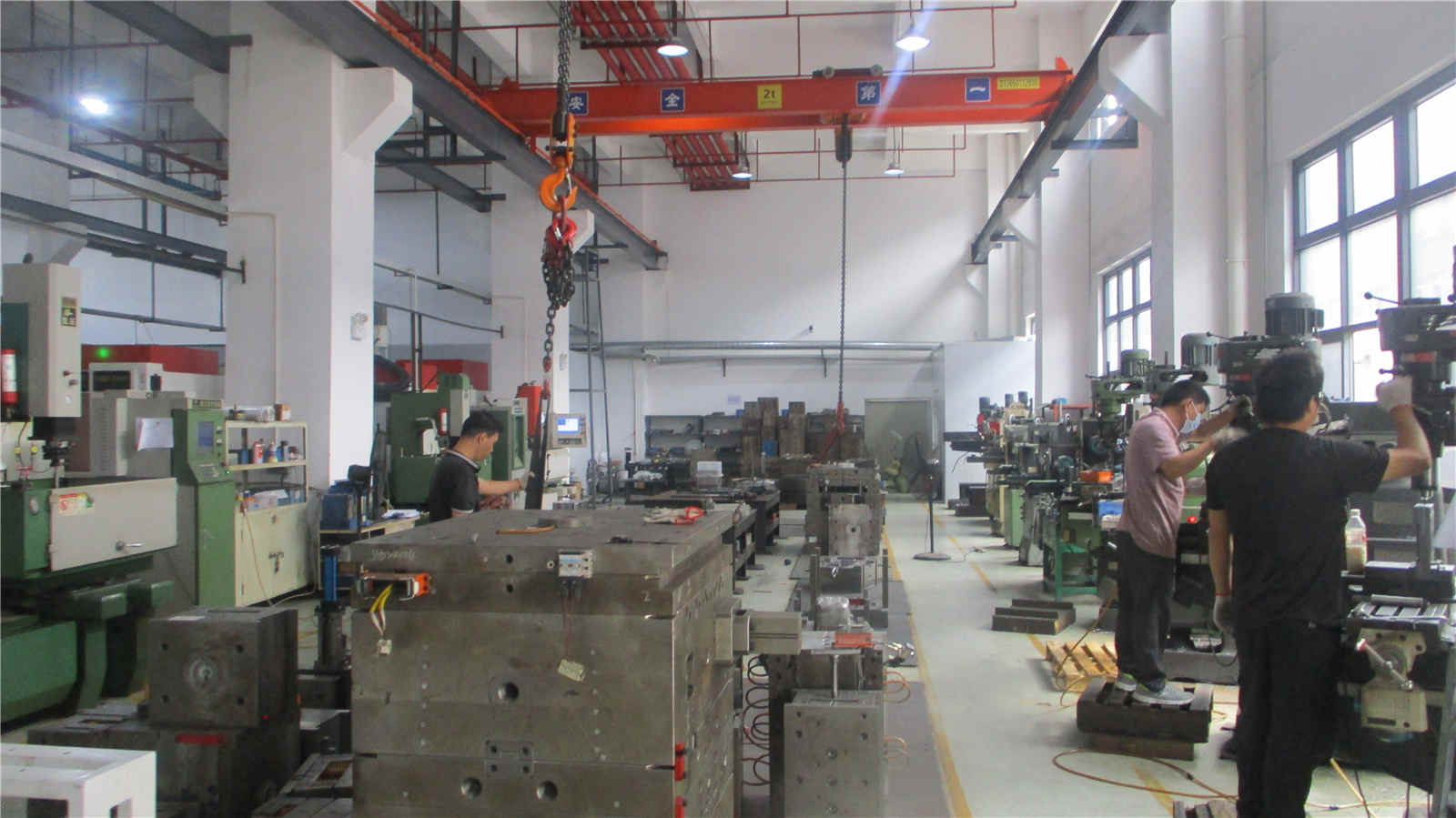
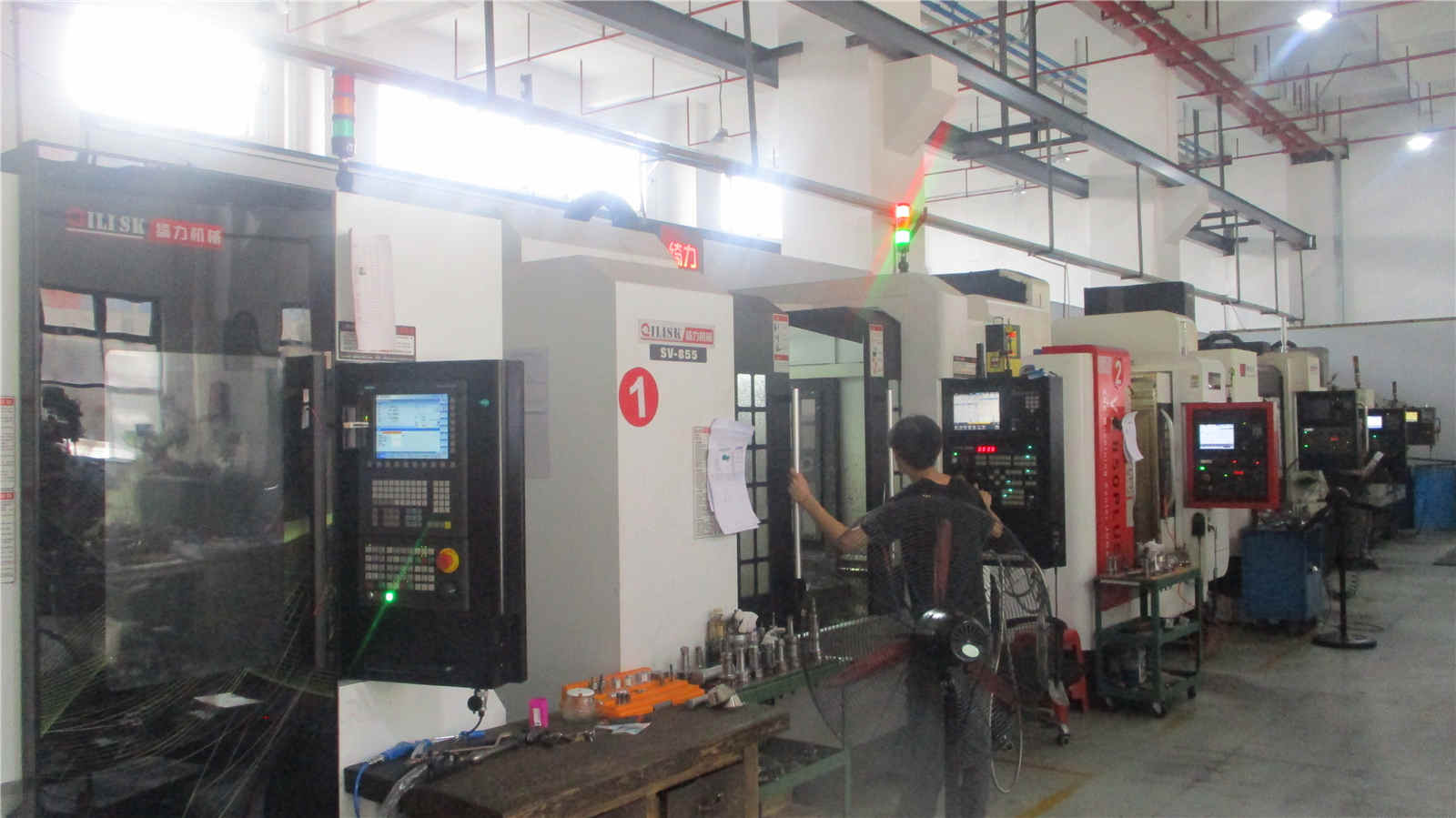
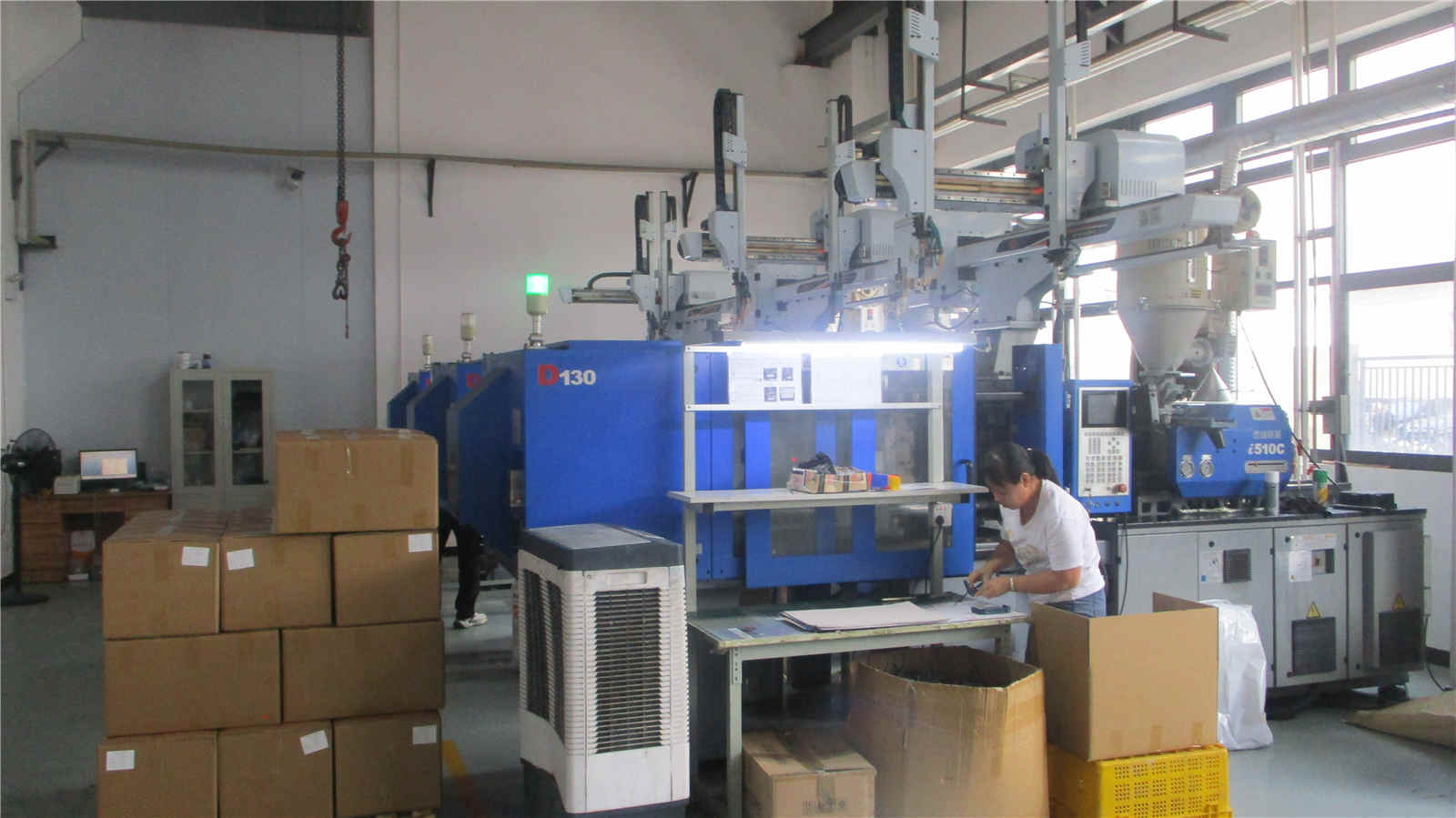
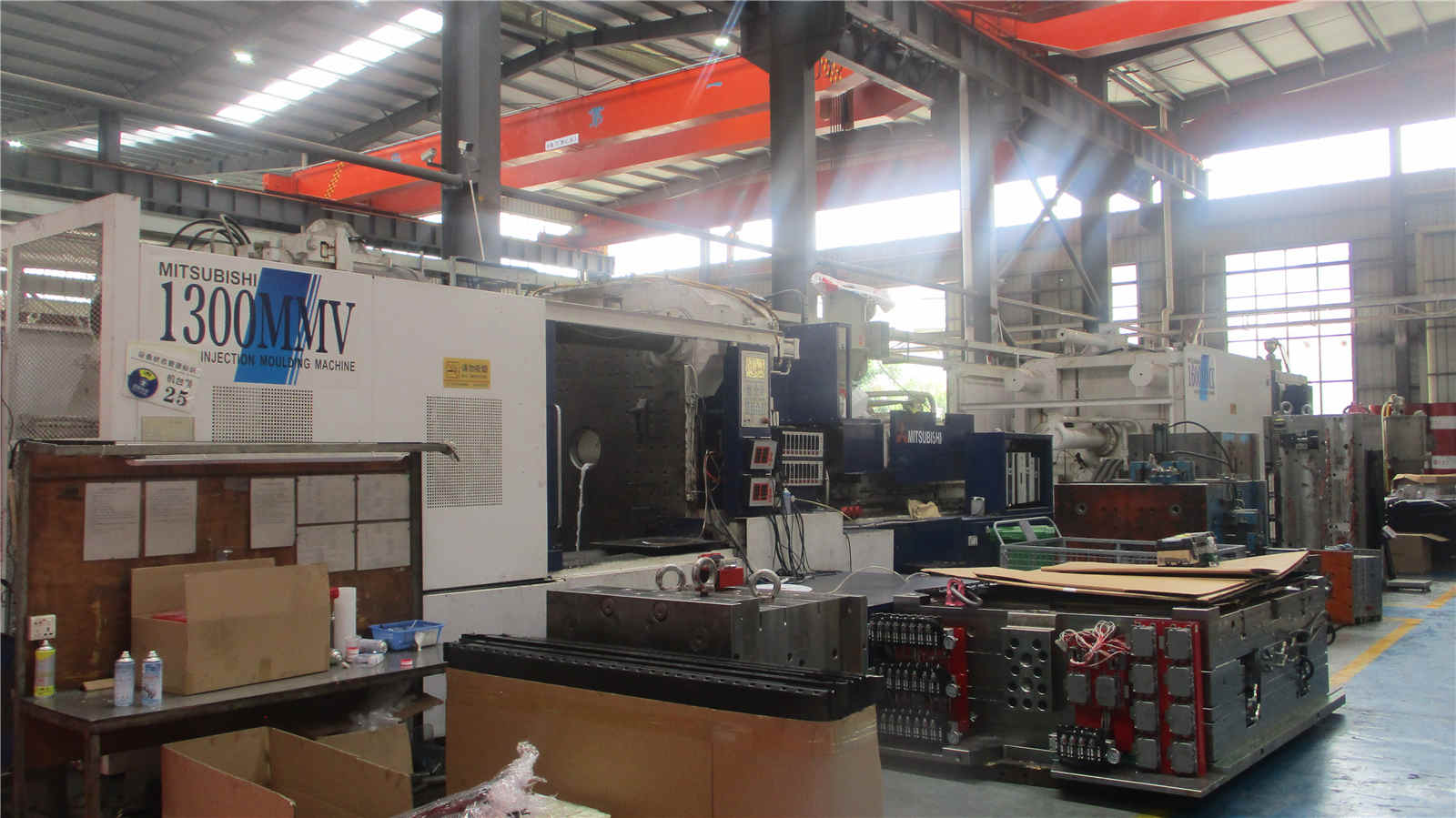
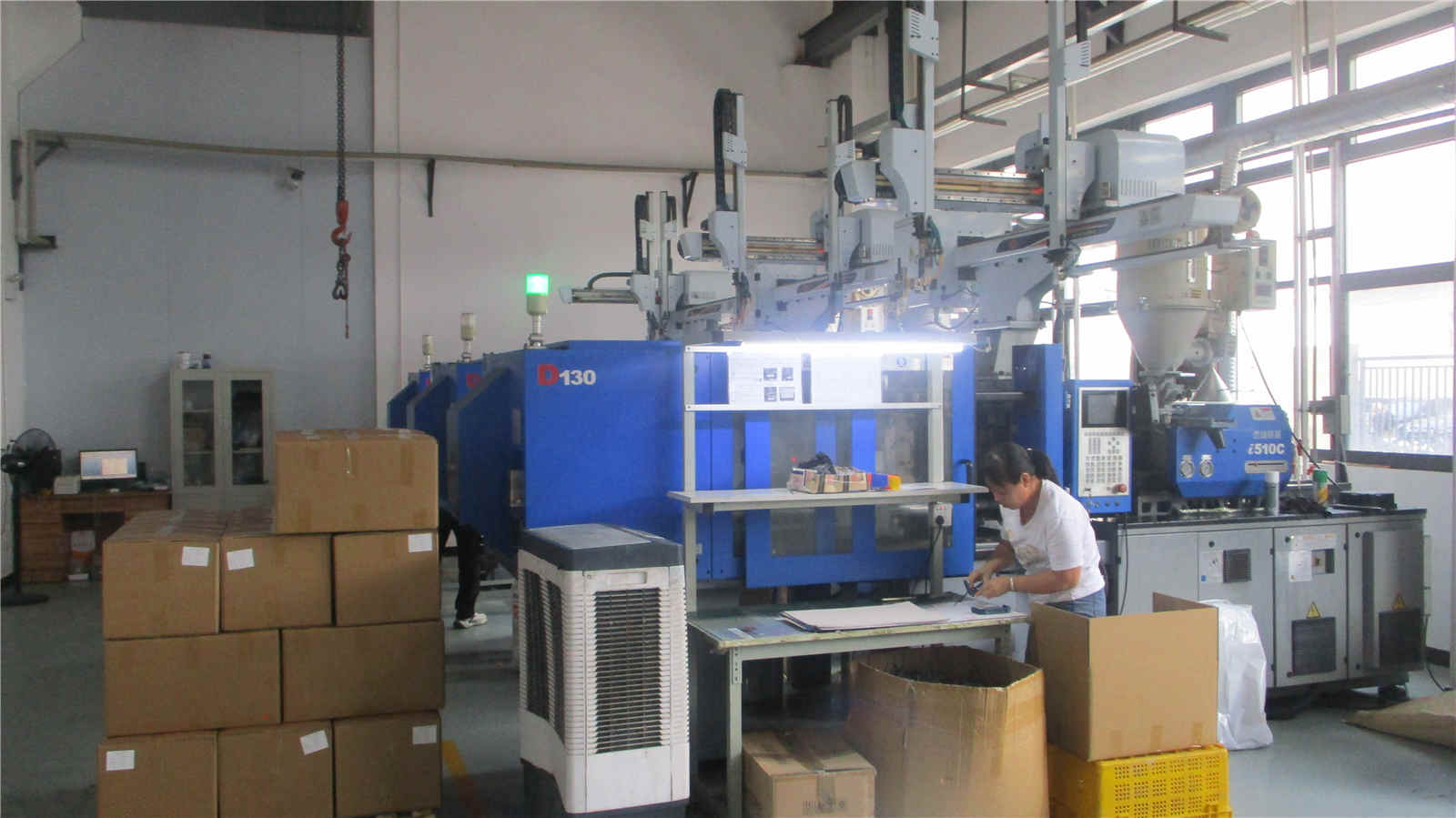
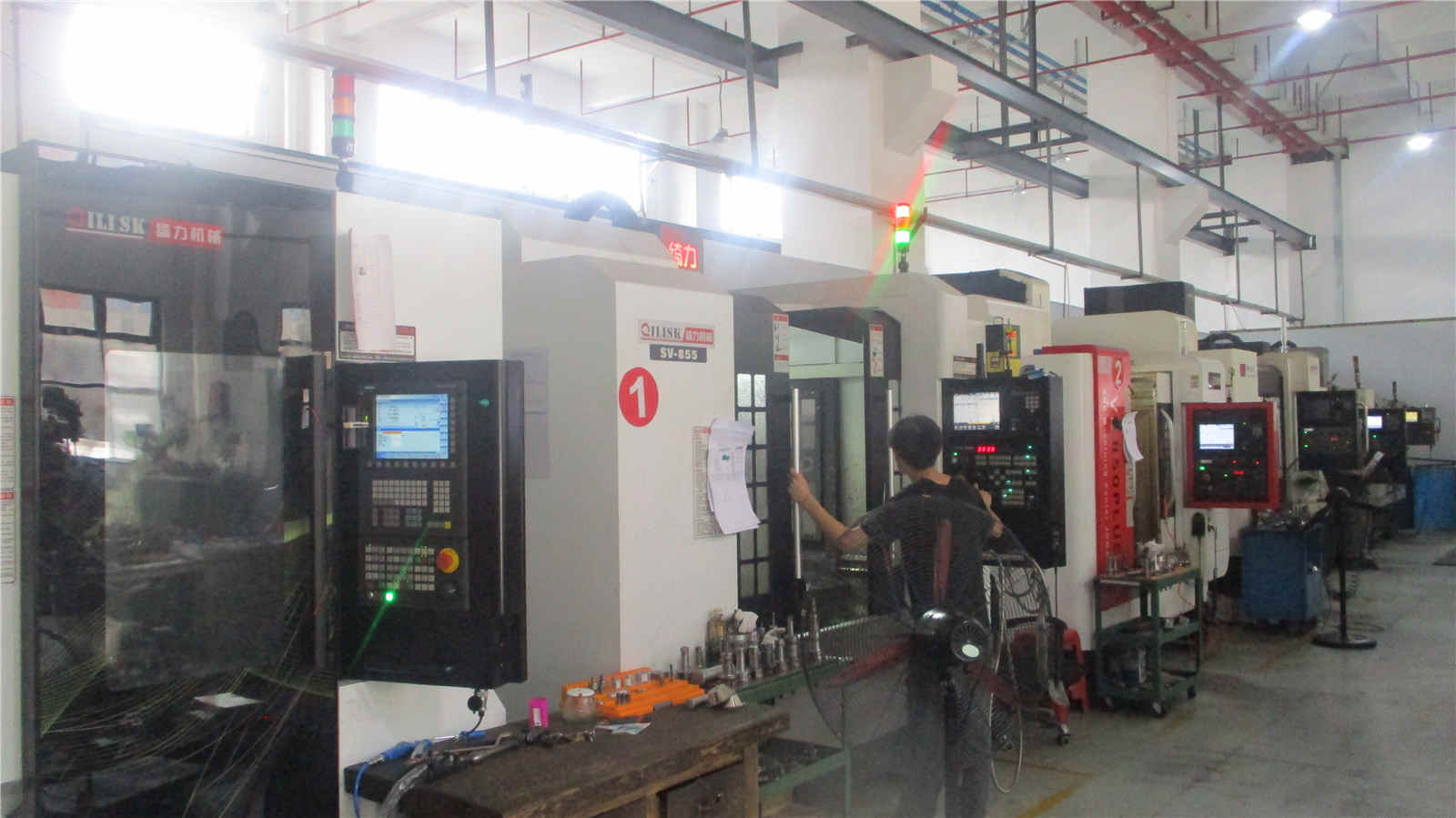
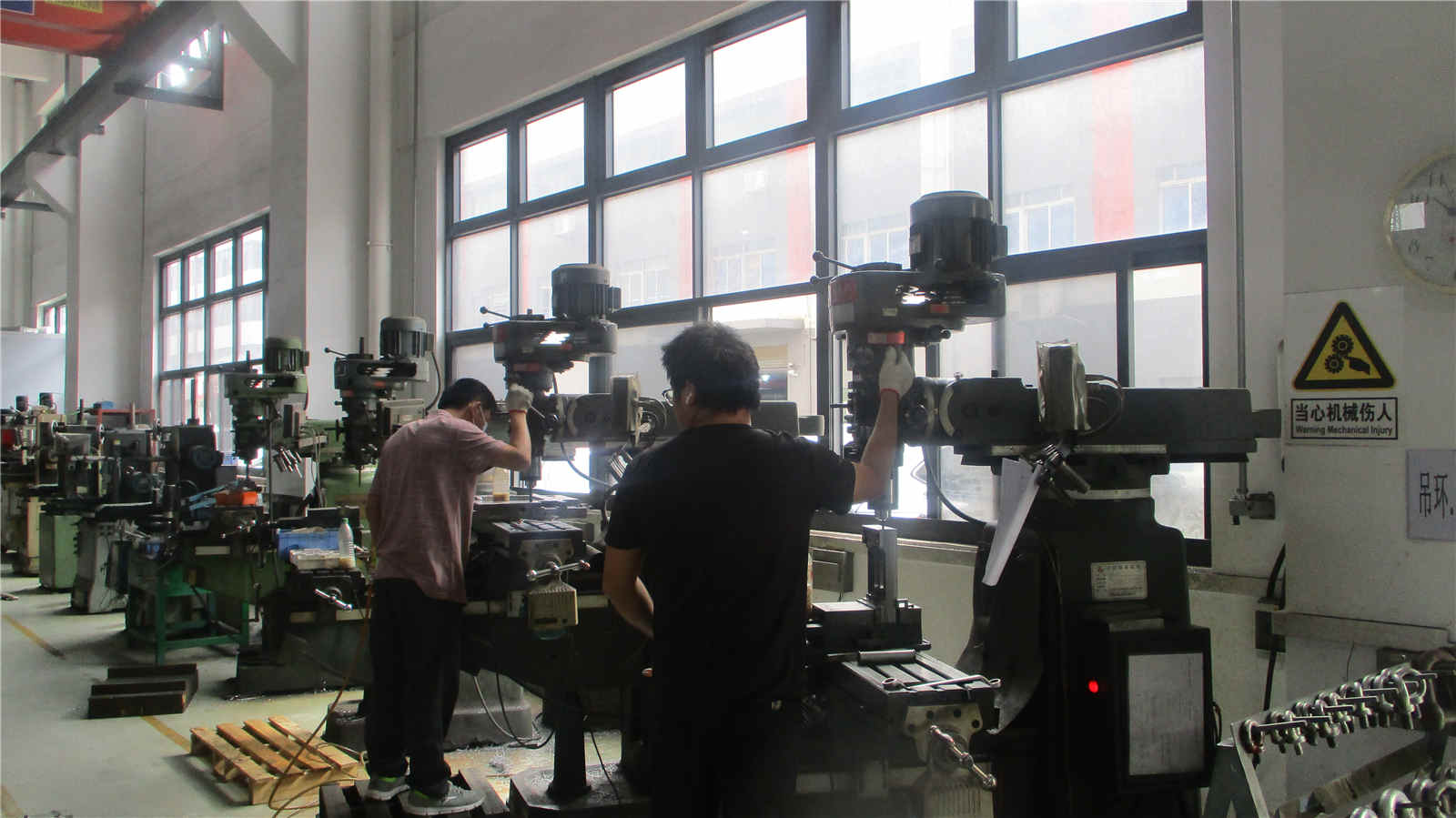
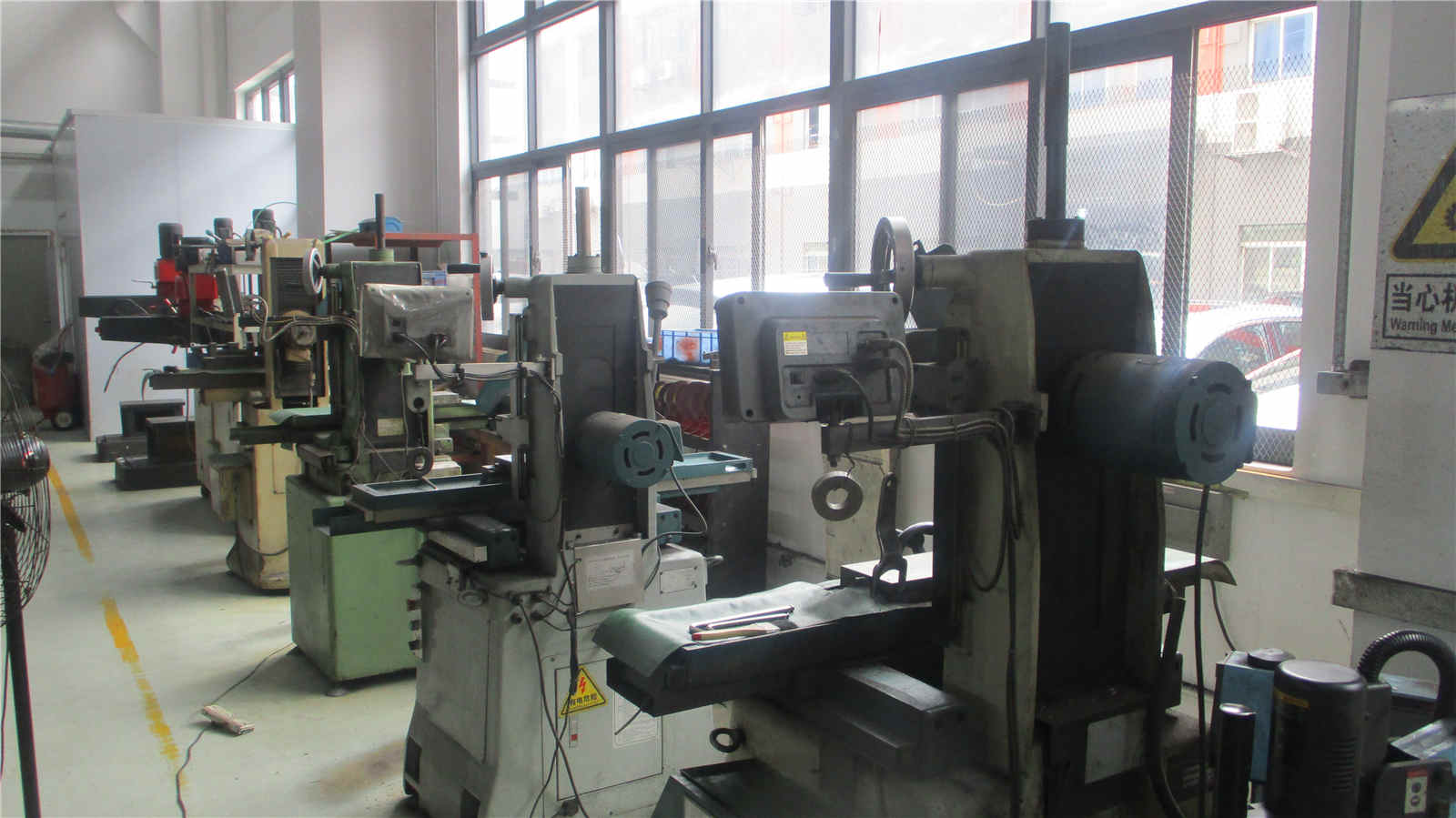
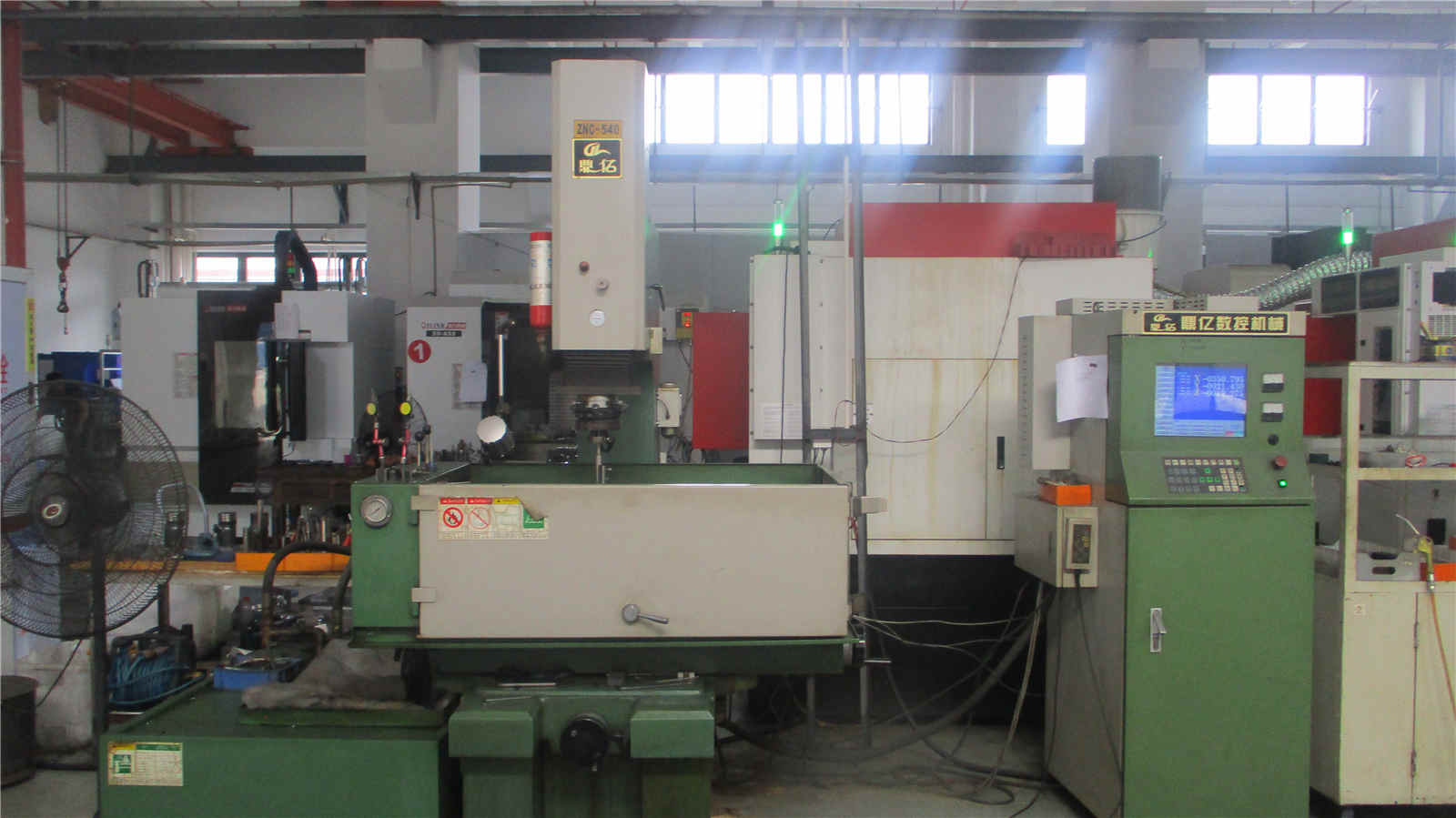
This geographic positioning minimizes internal logistics transit times, allowing raw materials to enter the injection molding and assembly lines within hours of request. Standard production protocols leverage advanced automation: robotic metal arm welding, high-speed multi-axis CNC milling, and high-tonnage plastic injection machines. These automated installations ensure that frame tolerances are kept under 0.5mm, a precision level essential for modular suitcase picnic systems where even minor misalignments can prevent folding configurations from locking properly.
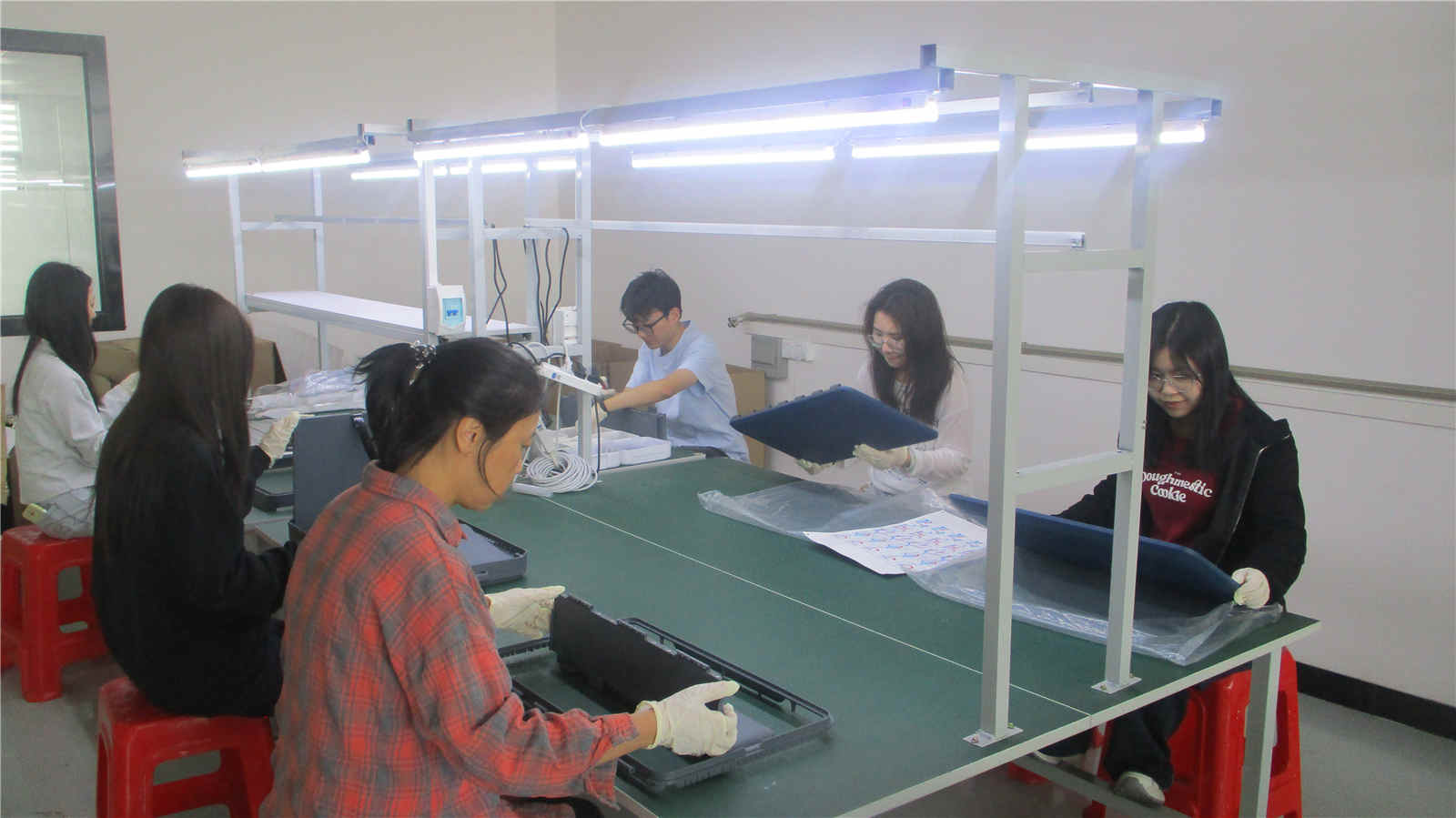
Forza Advanced Manufacturing Facilities
Inside our Foshan factory: high-capacity machinery, advanced CNC tooling, and precise quality control inspection.
Localized Application Scenarios & Global Case Studies
From modern urban glamping sites to large-scale hotel banquet facilities, the versatile applications of modular folding systems.
Through close collaboration with procurement directors across various industries, we have identified key application scenarios that dictate how these suitcase picnic sets are deployed globally:
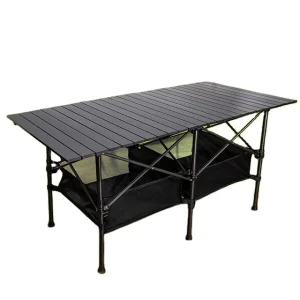
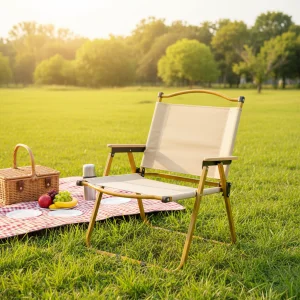
- Commercial Outdoor Events & Pop-Up Dining: Caterers and rental agencies utilize folding resin and bamboo sets to construct pop-up dining areas. The ease of setting up and taking down these units directly reduces on-site labor costs, which are a major expense in Western European and North American event markets.
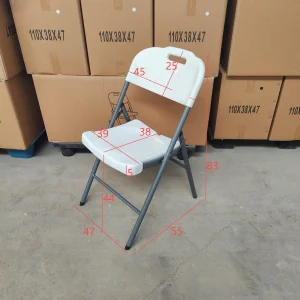
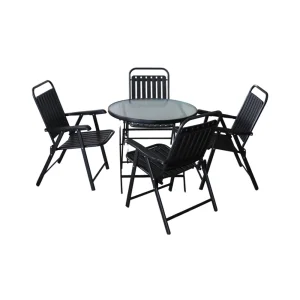
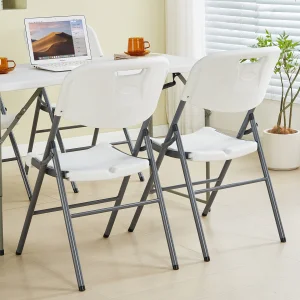
- Hotel Banquet & Wedding Venue Logistics: Stackable, resin-molded folding chairs and portable tables with carbon steel frames are standard equipment in modern hotels. High load ratings (up to 250kg static weight) and scratch-resistant surfaces allow these tables to transition smoothly from indoor seminars to outdoor receptions.
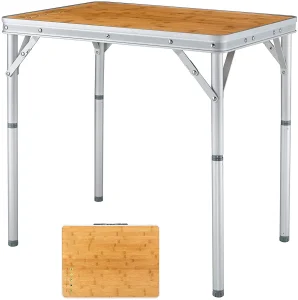
- Sustainable Eco-Tourism & Glamping: High-end outdoor retreats prefer bamboo-folding tables with adjustable heights. Bamboo's natural fibers offer excellent aesthetic value, aligning with modern eco-tourism concepts while maintaining structural integrity across varying humidity levels.
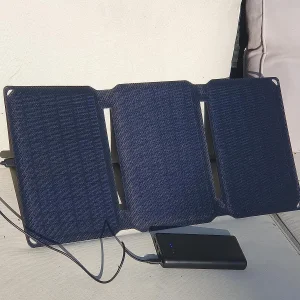
- Disaster Relief & Remote Field Stations: For emergency response and tactical remote workstations, portable solar-integrated dining modules (including ETFE-integrated solar panels) provide both seating and off-grid power solutions, demonstrating the versatility of modern folding designs.
Material Advancements & Industrial Design Trends
Innovations in weatherproofing, light carbon steel structures, and sustainable bamboo matrix engineering.
As the market evolves, the materials used to construct these suitcase sets are undergoing significant technological upgrades. The modern landscape is defined by three primary structural trends:
1. Carbon Steel with Epoxy Powder Coating: Frame failure is minimized by using high-frequency welded carbon steel tubes. These frames are treated with a multi-stage phosphate conversion wash before receiving an electrostatic epoxy powder coat. This process creates a resilient barrier against salt-spray corrosion, ensuring long-term performance in coastal resorts.
2. Engineered Polypropylene (PP) and Resin Matrices: Heavy-duty blow-molded HDPE and injection-molded PP are enhanced with light stabilizers (HALS). This additive protects the polymer matrix from UV degradation, preventing brittleness and chalking during prolonged outdoor use.
3. Carbon-Negative Bamboo Integration: Bamboo is fast becoming the material of choice for sustainable commercial furniture. Its high tensile strength-to-weight ratio rivaling steel alloys makes it an ideal option for premium, lightweight folding furniture.
B2B Procurement & Sourcing FAQ
Expert answers addressing the logistical, compliance, and material specifications required by global buyers.
Featured Sourcing Configurations - Series B
Durable bamboo and carbon steel systems designed for resorts, event planners, and contract logistics projects.