 Forza Furniture
High-Performance Folding Furniture & Event Seating
Industrial-grade durability combined with structural weight efficiency. Optimized for distribution, rental fleets, and large-scale public venues.
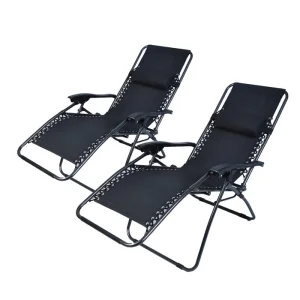
Adjustable Folding Arm Chair Zero Gravity Chair China
View Technical Specs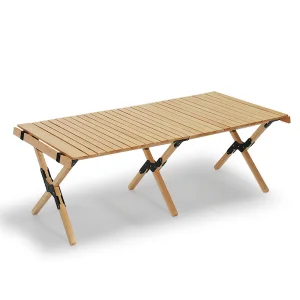
New Arrival Beechwood Egg Roll Table Solid Wood Stable Folding Camping Table
View Technical Specs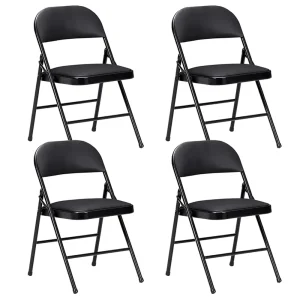
Wholesale Cheap Price Soft Seats Padded Black Metal Folding Chairs for Events
View Technical Specs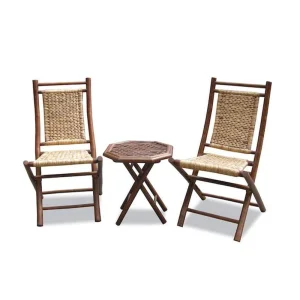
Set Foldable Bamboo Chairs and Table with Water Hyacinth Outdoor Furniture
View Technical Specs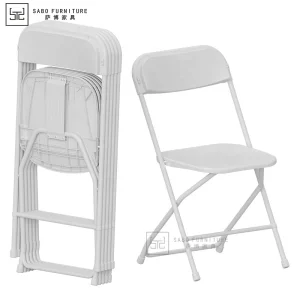
Factory Wholesale Minimalist White PP Resin Garden Chairs for Events
View Technical Specs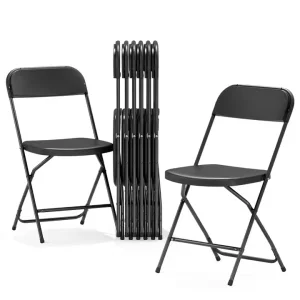
Wholesale Modern Portable Steel Frame Stackable White Plastic Folding Garden Chair
View Technical Specs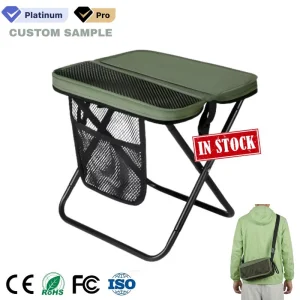
Mydays Outdoor Portable Folding Stool Chair With Mesh Pocket
View Technical Specs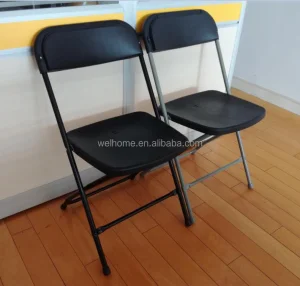
Commercial Waterproof Cheap Steel Frame Black Plastic Folding Chair
View Technical SpecsThe Structural Anatomy & Materials Science of Commercial Event Folding Chairs
How leading Chinese manufacturing hubs utilize advanced polymer compounding, metallurgical design, and high-tolerance tooling to dominate global contract furniture supply chains.
For modern commercial procurement departments, corporate event organizers, and furniture hire entities, the folding chair represents a critical infrastructure element. Far from a simple seat, a contract-grade folding chair must survive extreme load fluctuations, repetitive mechanical stressors, and harsh environmental exposure while remaining lightweight, stackable, and safe. To achieve this balance, advanced manufacturing processes leverage complex material science and automation to satisfy international quality frameworks such as BIFMA X5.1 and EN 12520.
1. Material Science and Structural Optimization
The mechanical longevity of a folding chair is determined by its constituent materials. Commercial-grade folding chairs typically utilize two primary material matrix pathways: high-impact virgin Polypropylene (PP) polymers and cold-rolled structural steel tubing. The PP resin utilized in injection-molded components, such as seats and backs, must be alloyed with specific impact modifiers, processing aids, and UV inhibitors. Unmodified polymers will quickly become brittle under solar UV radiation, leading to stress fractures under loading. Factories specializing in export-grade seating mix PP with custom elastomeric compounds to allow for a degree of flexural deflection without structural failure.
On the metal frame spectrum, heavy-duty event chairs employ steel tubing with a nominal wall thickness of 1.0mm to 1.2mm, far exceeding the 0.8mm typical of budget consumer-grade alternatives. Furthermore, these steel profiles undergo advanced multi-stage processing, including automated CNC tube bending, robotic MIG welding, and complete immersion in anti-corrosive phosphate pretreatments before electrostatic powder coating. This prevents internal rust formation—a common cause of structural joint collapse in wet coastal climates.
Technical Insight: BIFMA X5.1 requires folding chairs to pass a drop test where a 225-pound (102 kg) weight is dropped from a height of six inches onto the center of the seat, followed by a sustained load test of up to 300 pounds. Premier Foshan manufacturing systems configure their automated hydraulic presses to simulate these dynamic vectors continuously for up to 100,000 cycles during product testing.
2. The Geopolitical Advantage of Foshan Furniture Cluster
Located in Guangdong Province, China, the Foshan manufacturing hub represents the world's most concentrated furniture production and raw material supply chain. Foshan Forza Furniture Co., Ltd. exploits this deep ecosystem to secure premium steel alloys, localized injection tooling, and cost-effective surface finishing directly within a 30-mile radius. This spatial concentration eliminates intermediate logistical friction, dramatically lowering lead times and facilitating rapid prototyping cycles. Additionally, Foshan houses advanced testing facilities that issue certified reports conforming to SGS, TÜV, and BSCI criteria. By sourcing from a specialized Foshan factory, global distributors gain access to sophisticated production pipelines that cannot be easily replicated in less industrially integrated regions.
Foshan Forza Furniture Co., Ltd.
Based in Foshan, Guangdong, Forza is an international leader in R&D, tooling, and supply-chain logistics for commercial indoor and outdoor contract furniture.
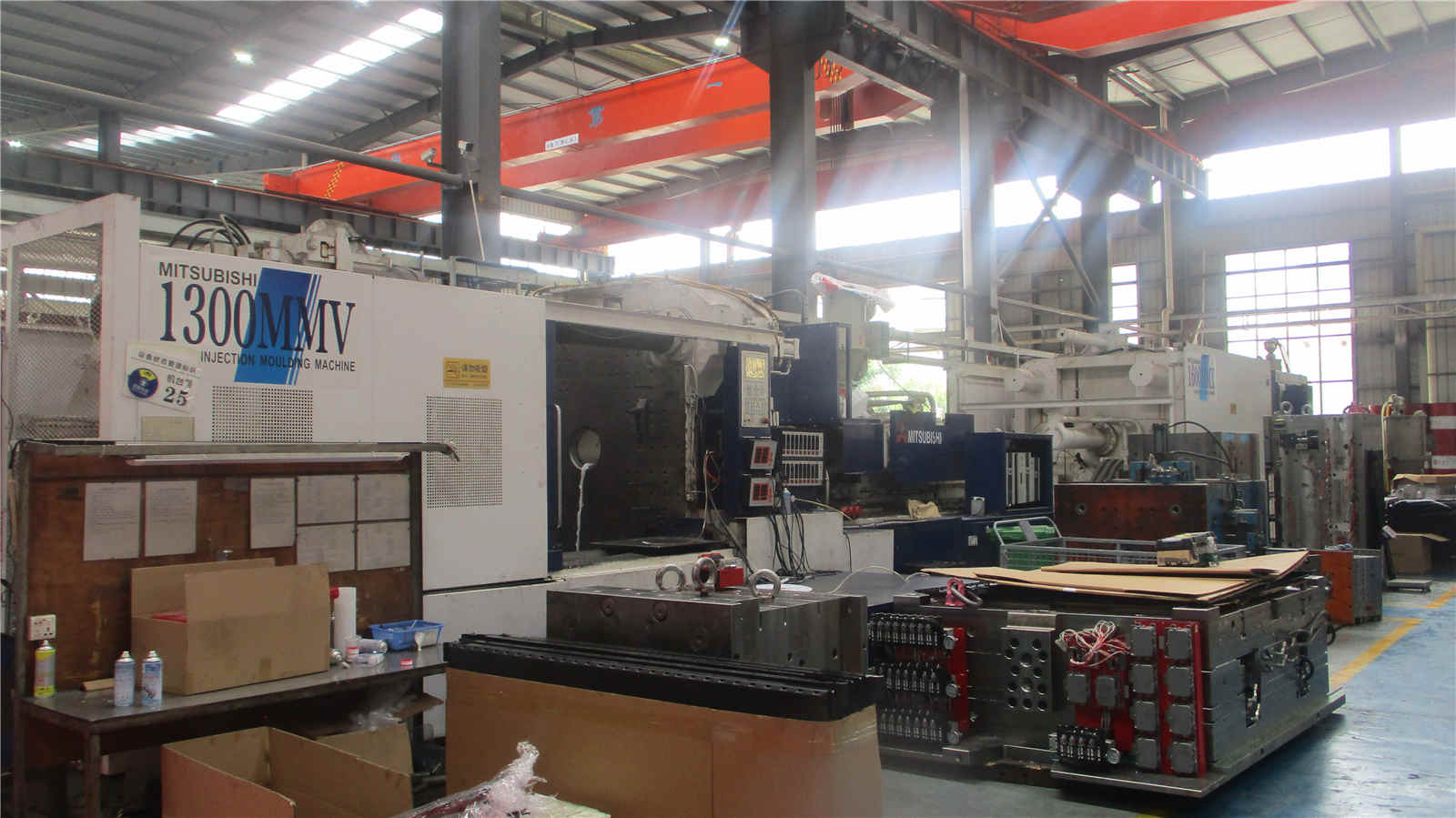
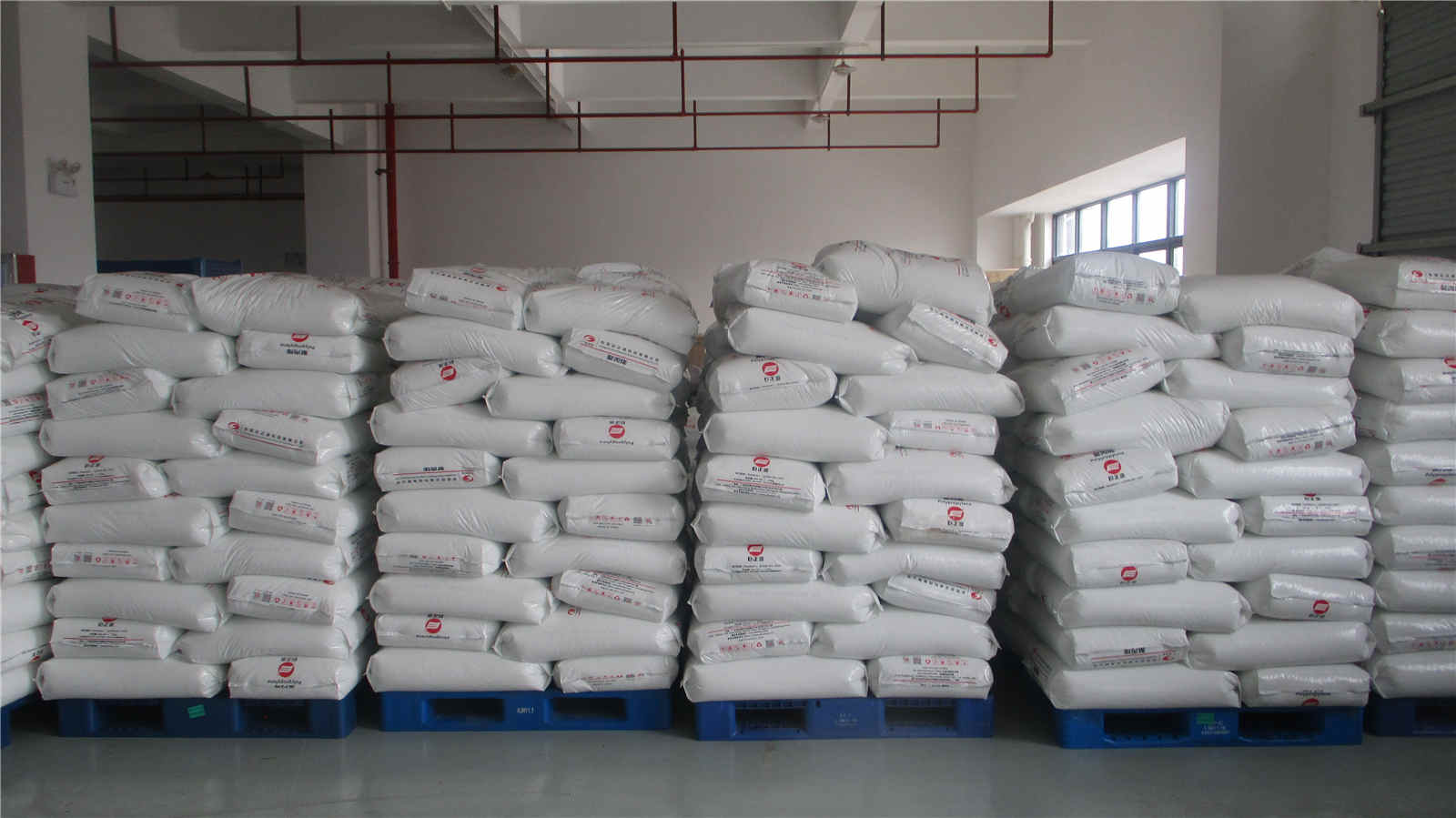
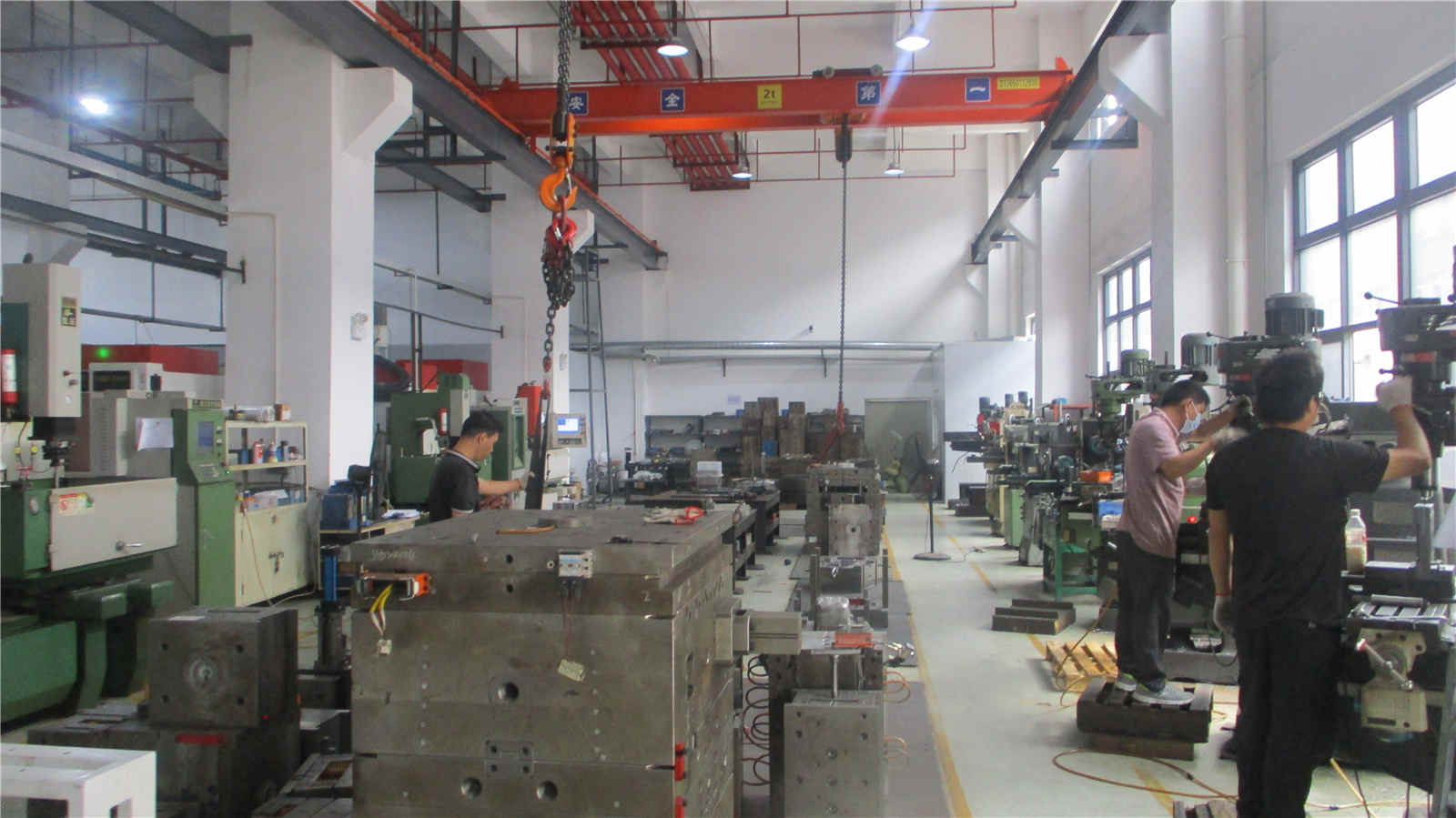
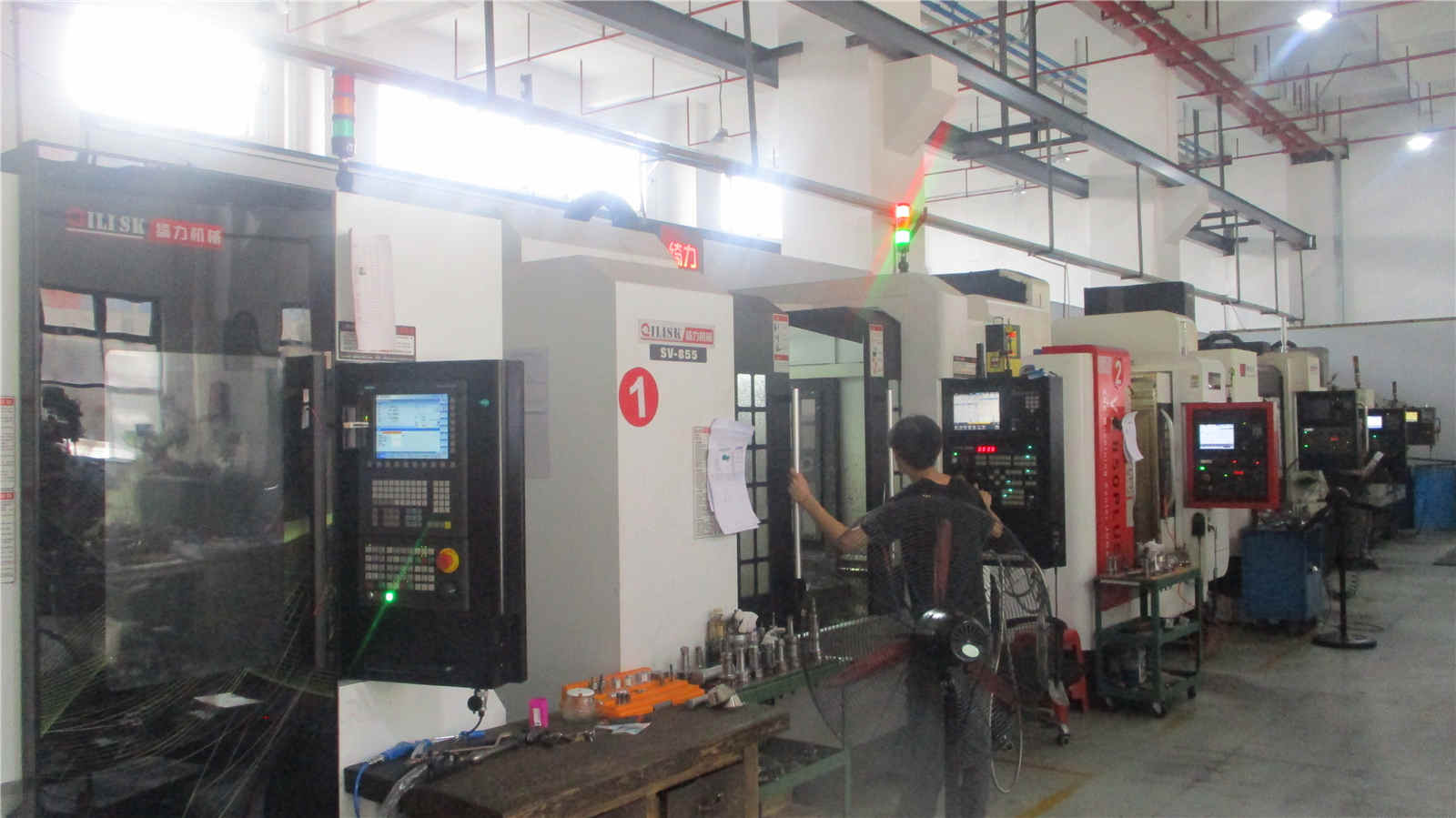
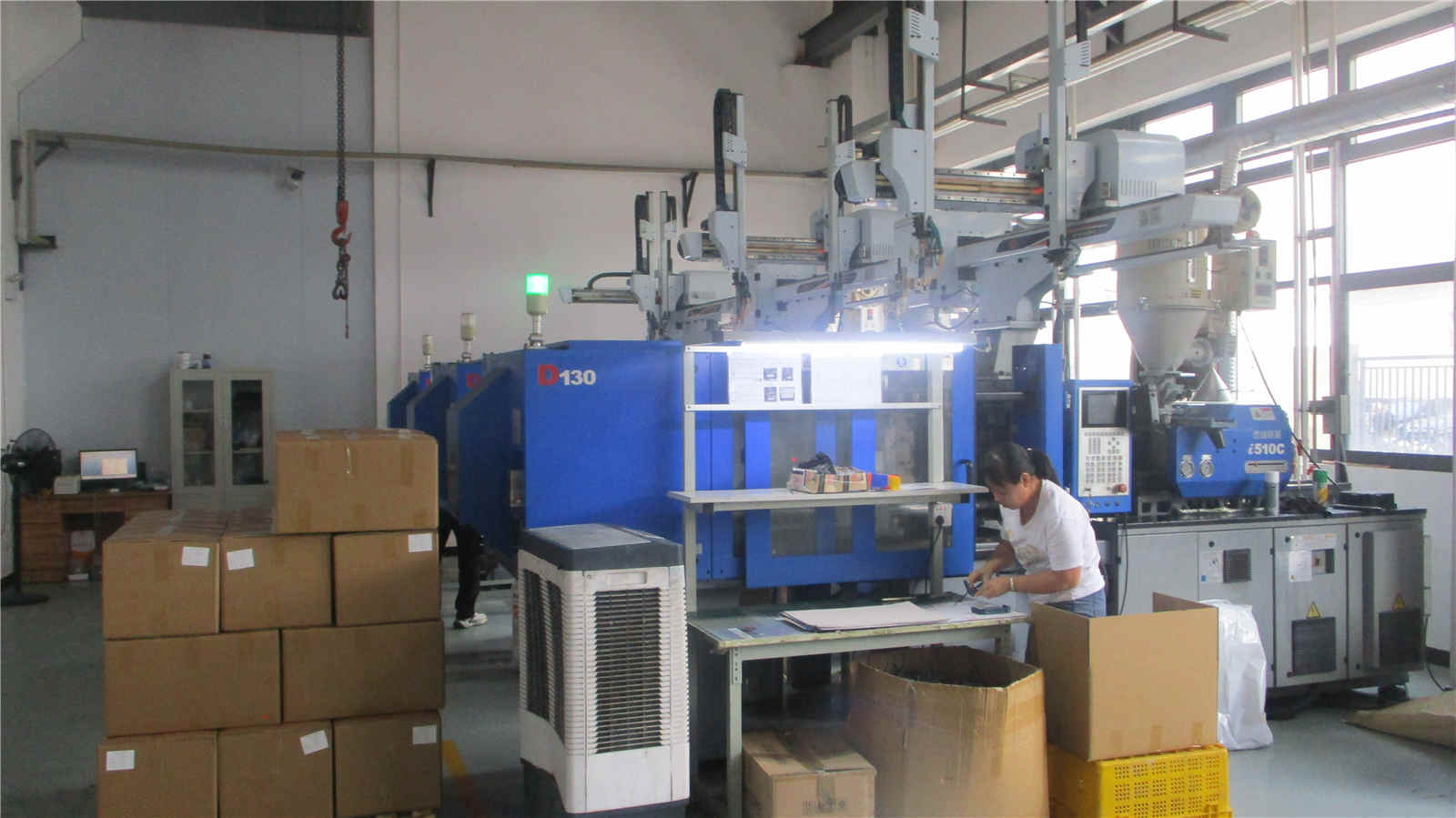
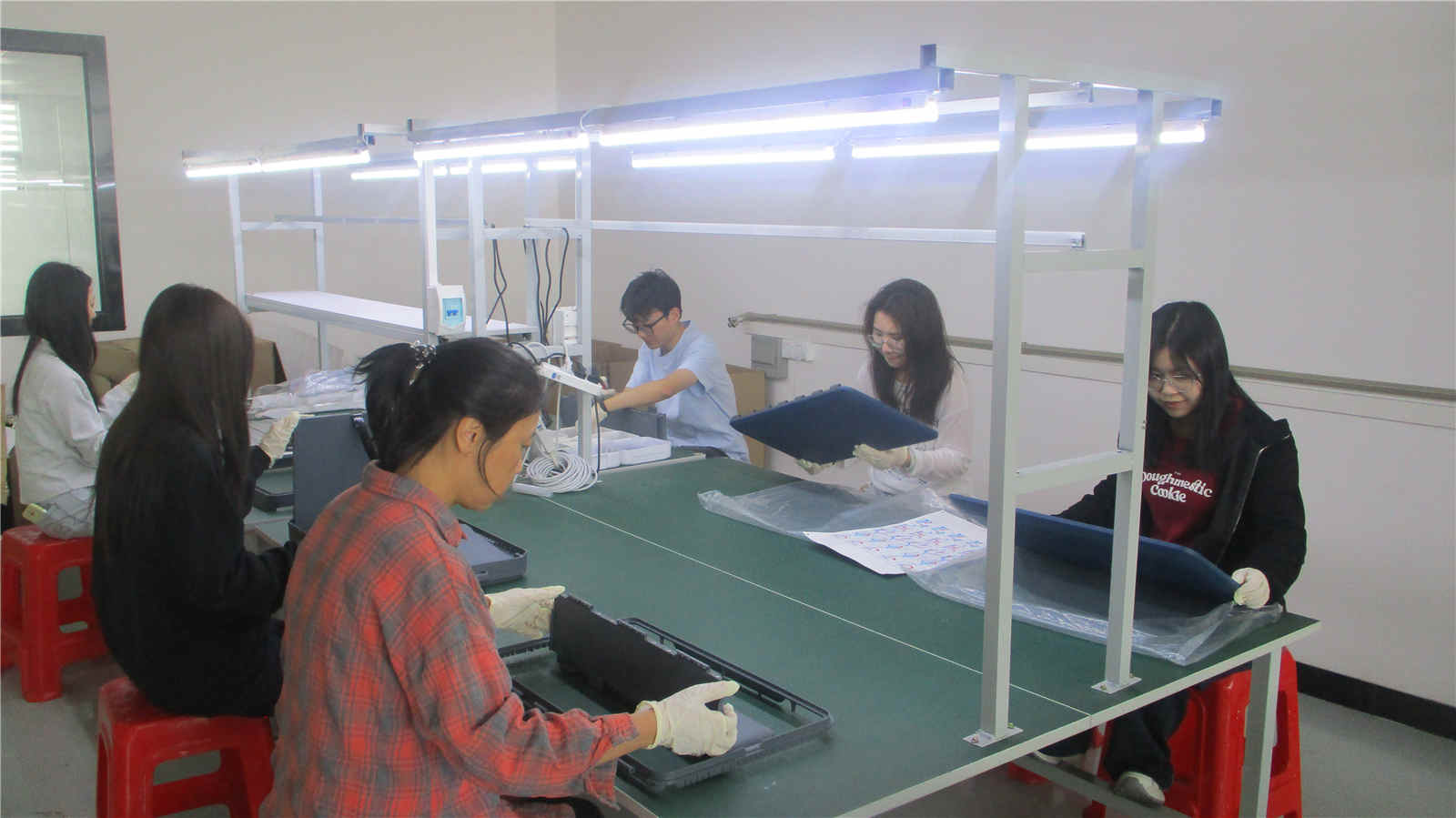
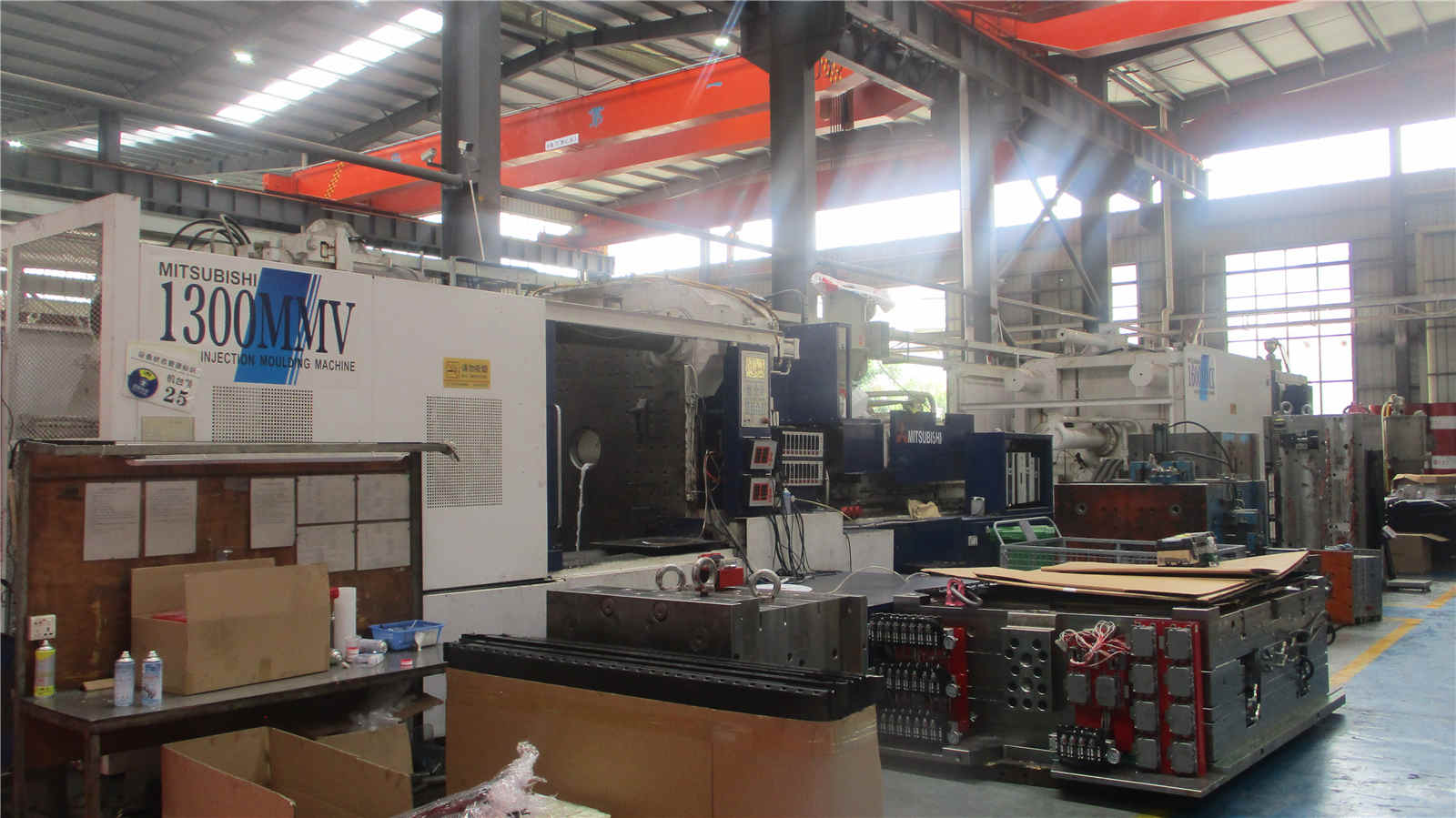
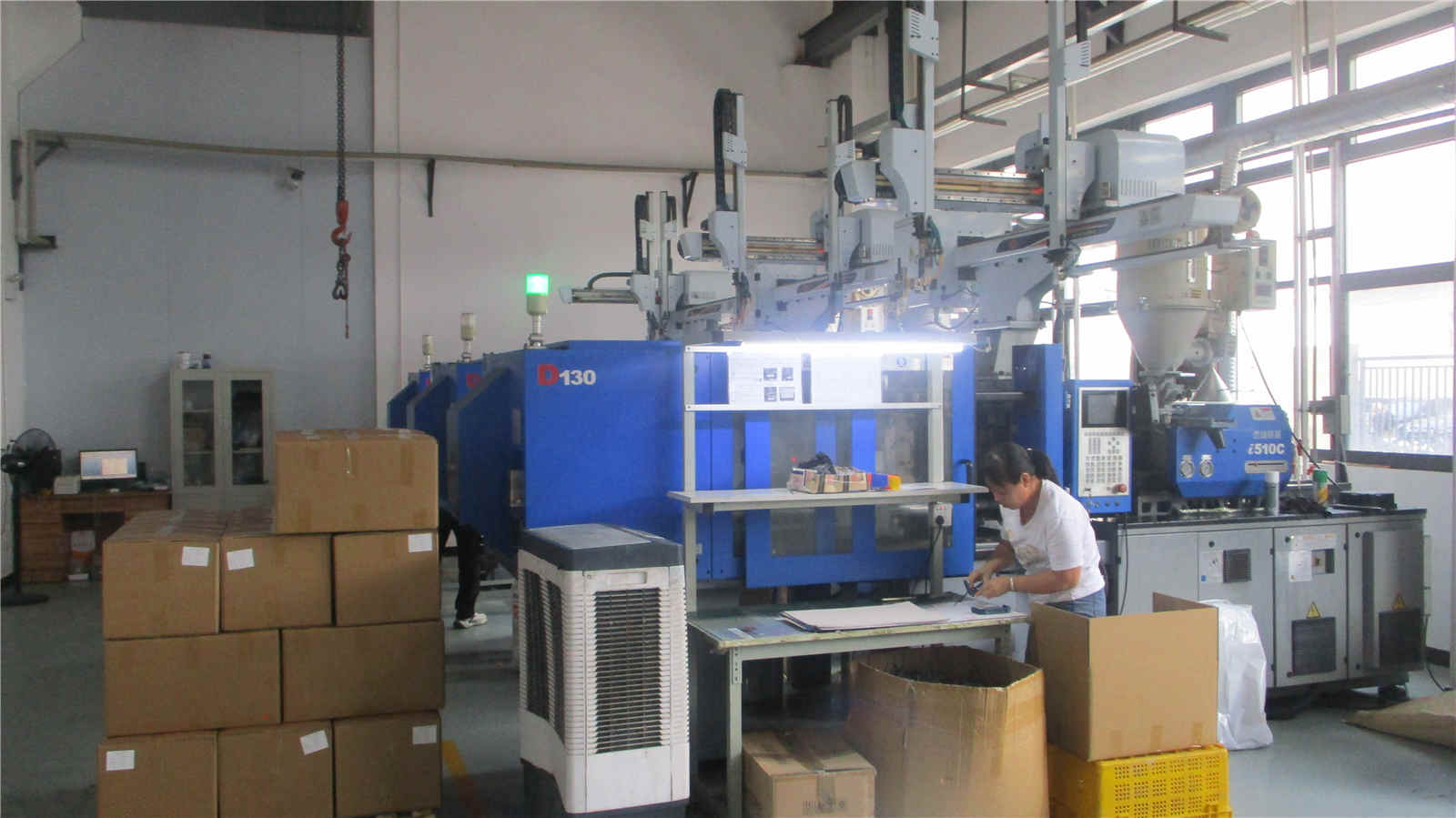
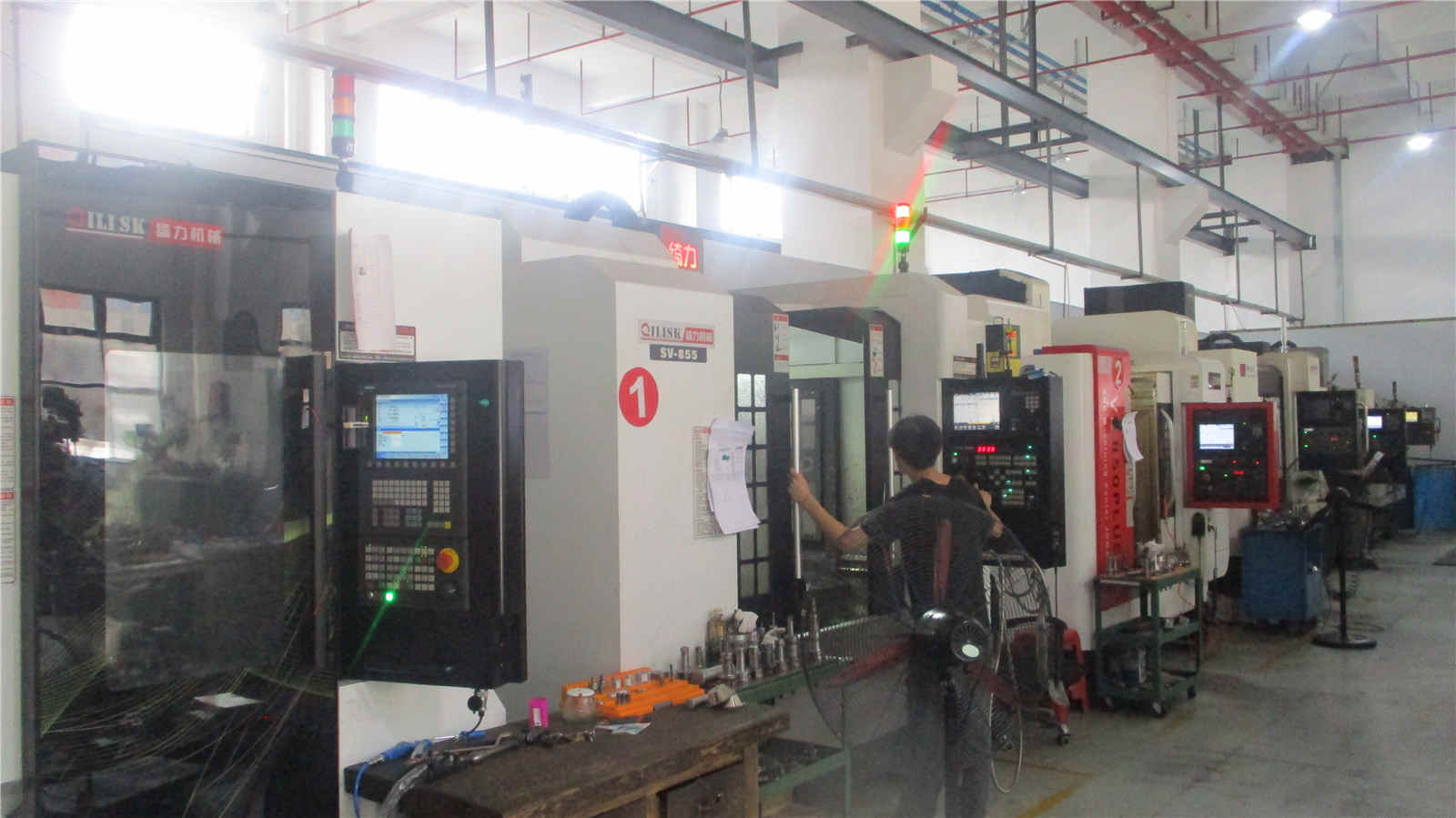
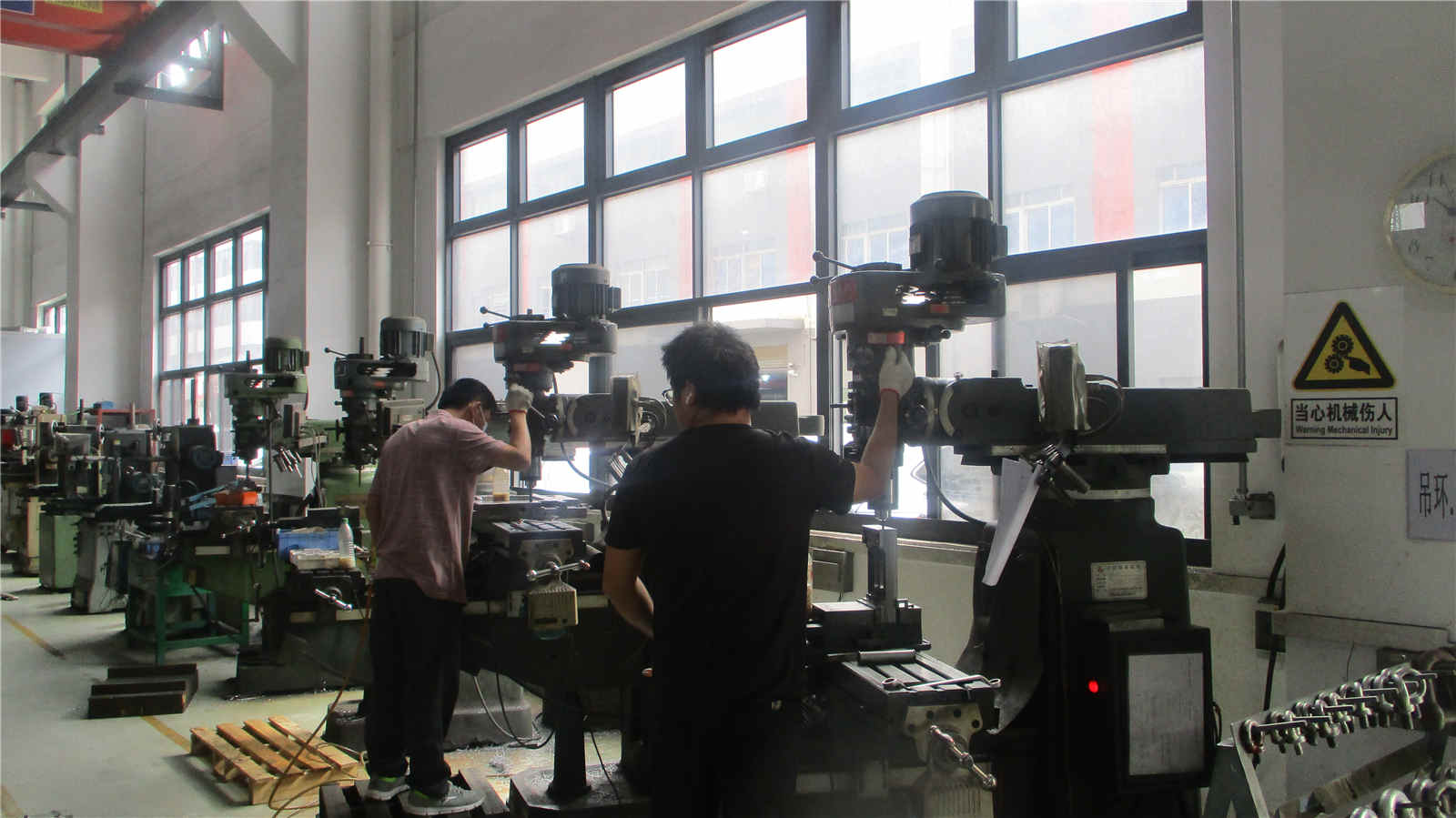
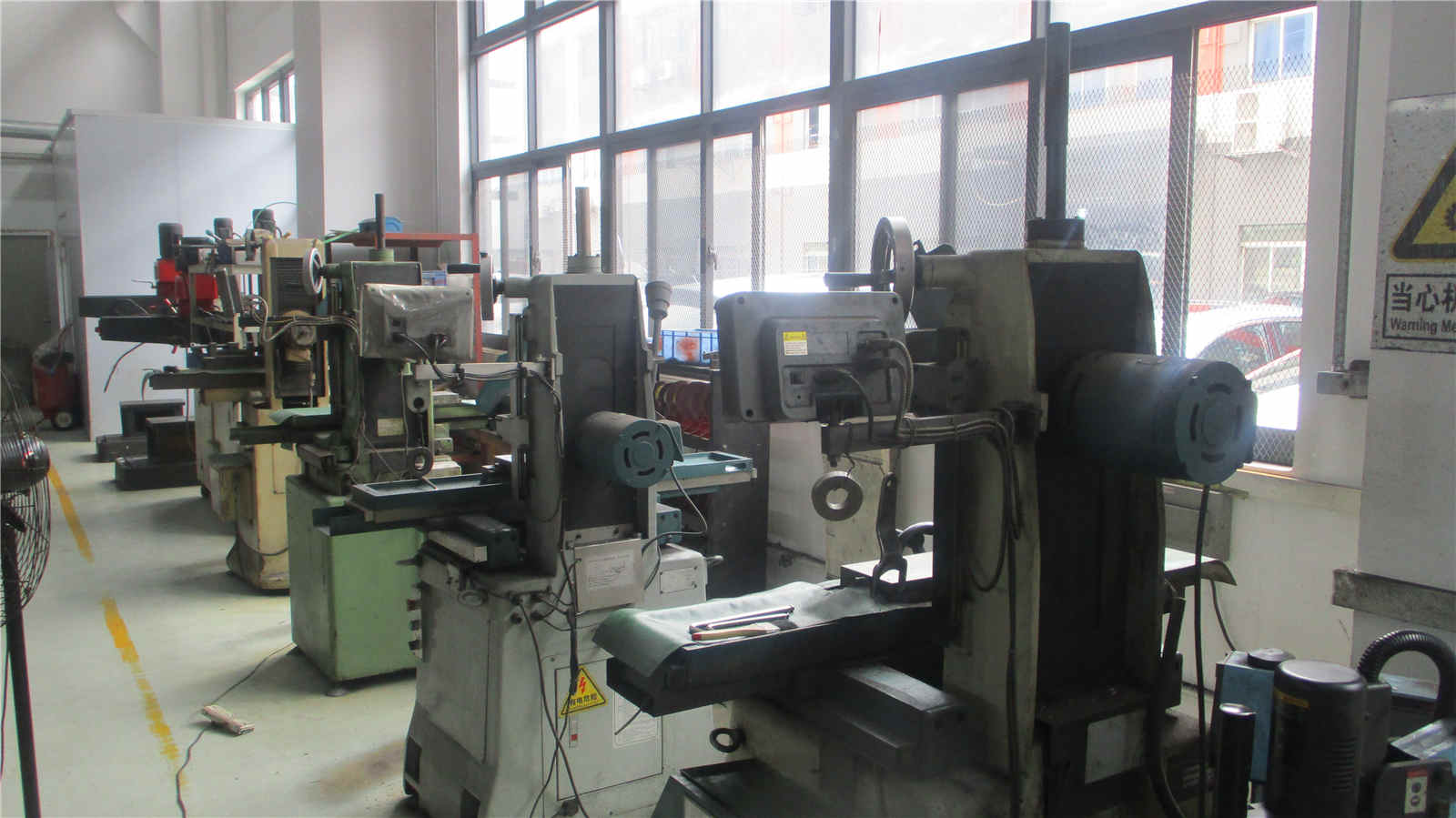
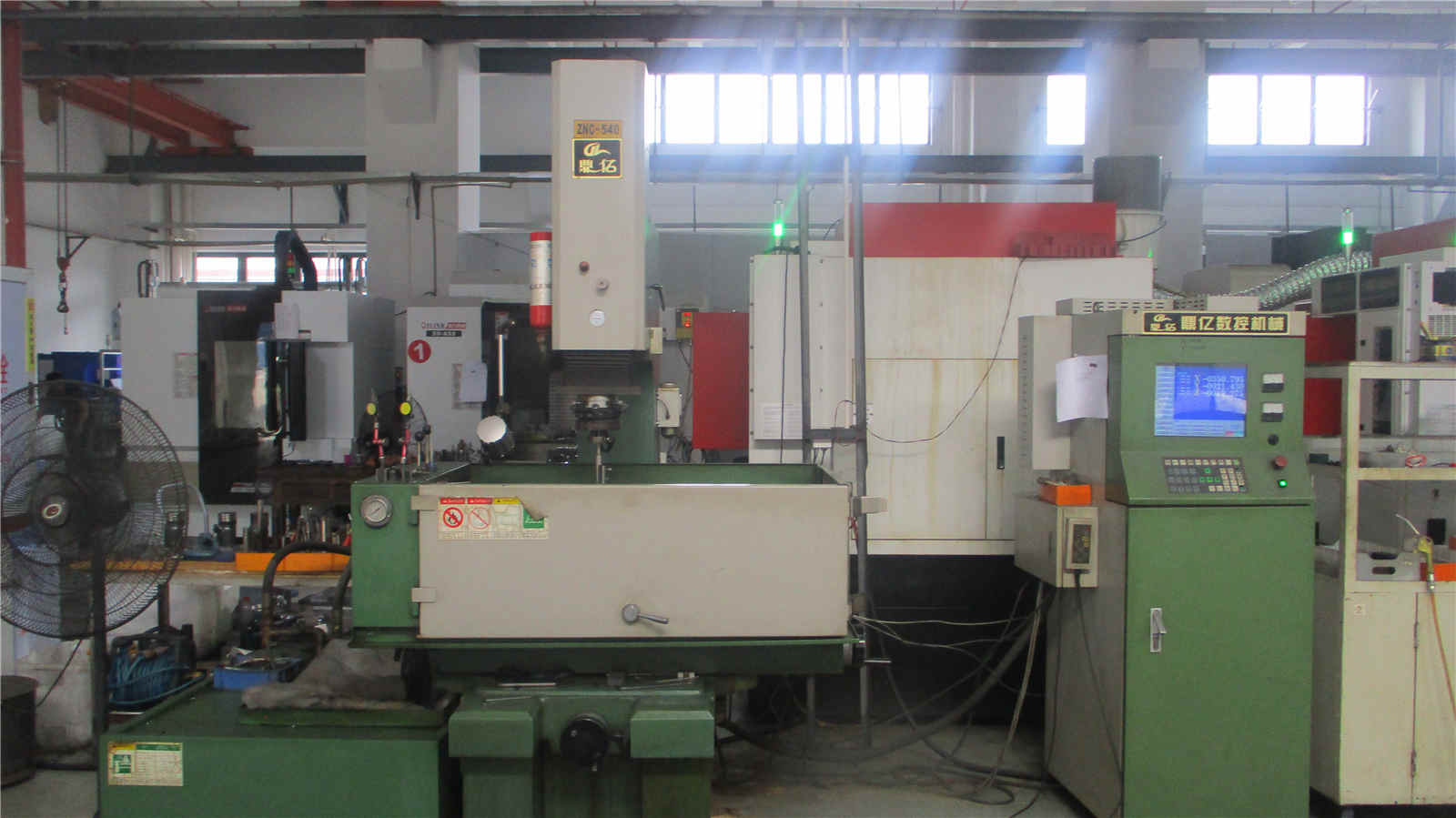
Through years of systematic expansion, Forza has integrated advanced hardware engineering with global sales channels across Europe, North America, Australia, the Middle East, and Southeast Asia. Our dynamic facility executes every step of the furniture production lifecycle under rigid QA control. Below is a detailed view of our standard operating manufacturing procedures, demonstrating our commitment to structural accuracy and automated volume capability:
3. Global Procurement and Supply Chain Optimization
International sourcing managers must balance upfront unit costs against long-term Freight-on-Board (FOB) pricing and shipping optimization. Event folding chairs are fundamentally low-margin, high-volume commodities where shipping efficiency makes or breaks profitability. Consequently, selecting folding chairs with optimal "nesting" capabilities is paramount. Superior product design allows the metal tubes of one folded chair to nest directly into the recess of the adjacent chair, reducing the stacked height by up to 25%. In a standard 40HQ ocean container, this nesting enhancement can increase maximum loadability from 4,500 units to over 6,000 units, resulting in a substantial reduction in per-unit landing cost.
Furthermore, leading global exporters have diversified manufacturing footprint operations. While the primary components and structural sub-assemblies are processed in China to maintain scale economies, custom configurations or final finishes can be routed via regional distribution agreements, bypassing trade tariffs and localized anti-dumping duties. This agility is a defining characteristic of top-tier industrial supply partners.
4. Macro-Industry Trends: Sustainability & Smart Materials
The global contract seating industry is undergoing a structural transition driven by two primary vectors: the integration of post-consumer recycled (PCR) plastics and the demand for lightweight, high-rigidity composite materials. Regulatory bodies in both Western Europe and California are mandating minimum thresholds of recycled materials in public furniture installations. As a result, research divisions are focusing on compounding secondary plastics with virgin glass-reinforced polypropylene to maintain tensile strength while complying with sustainability objectives.
Design aesthetics are also pivoting. Modern event architectures reject the clinical appearance of historic metal folding chairs, favoring minimalist, Scandinavian-inspired profiles, resin garden chairs with faux-wood grains, and ergonomic task-oriented office hybrids with integrated flip-up seats. By selecting dynamic product lines, sourcing agents can supply wedding venues, conference rooms, and outdoor Glamping environments using a unified manufacturing infrastructure.
Specialty Contract Chairs & Outdoor Leisure Solutions
From heritage wrought-iron garden aesthetics to highly engineered ergonomic conference and camping furniture.
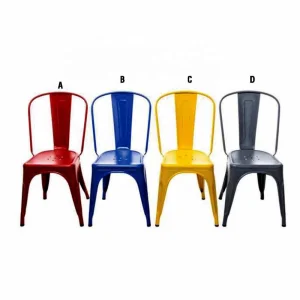
Iron Antique Folding Garden Chairs Vintage Wrought Iron Rocking Chairs
View Technical Specs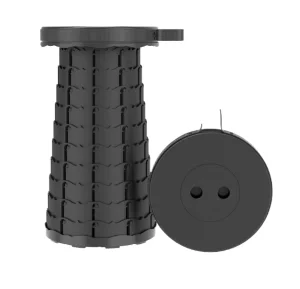
Portable Telescopic Stool Retractable Stool Camping Folding Chair
View Technical Specs
Modern Ergonomic Mesh Back Office Desk Stackable Conference Chair
View Technical Specs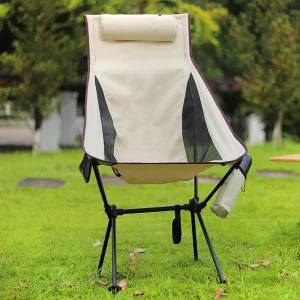
Aluminum Alloy Moon Chair Folding Portable Mesh Beach Camping Chair
View Technical Specs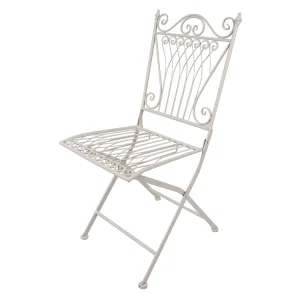
Outdoor Garden Bistro Cafe Vintage Square Metal Wrought Iron Folding Dining Chairs
View Technical Specs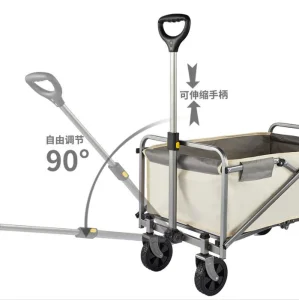
Integrated Outdoor Folding Small Carts Picnic Trailers Rear Door Open Camping Cart
View Technical Specs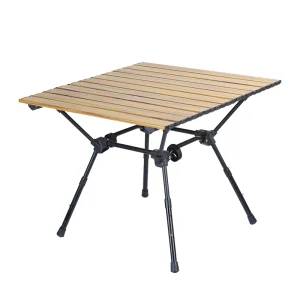
Outdoor Furniture Ultralight Picnic Folding Aluminum Egg Roll Camping Table
View Technical Specs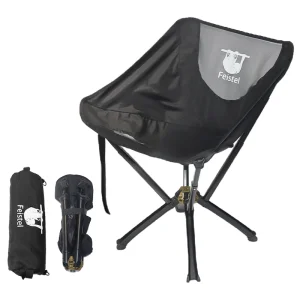
Feistel Outdoor Swivel Chair 360 Degree Rotation Integrated Frame & Seat
View Technical SpecsEvent Furniture Sourcing & Quality Control
Expert responses addressing technical procurement parameters, manufacturing compliance, and localized shipping strategies.