7 Best Reasons Plastic Folding Furniture Yellows in the Sun

Time:2026-09-26 Author:Charlotte
0%

White plastic folding chairs often look dependable in the shade, then turn cream or yellow after months beside a sunny pool. Why does plastic folding furniture turn yellow in the sun? The answer usually involves ultraviolet light, oxygen, heat, and the plastic’s formulation. Sunlight can trigger chemical changes in polymer chains, while heat may speed those reactions. Some additives slow fading, but they can weaken with prolonged exposure. The result may be uneven: a pale patch on the seat, a darker hinge, or a yellow rim where dust collects.

Polymer scientist Dr. Ramani Narayan’s work on polymer materials offers useful context for understanding these changes. Rather than present an unverified direct quotation, the relevant principle can be summarized plainly: sunlight-driven oxidation can alter a plastic’s color and performance. That is the chemistry behind many cases, not a diagnosis of every chair. Resin type, pigments, manufacturing quality, cleaning products, and local exposure all matter. Even a chair kept under a porch roof may catch reflected light. Small details count.

This guide examines seven common reasons plastic folding furniture yellows in the sun, from UV exposure and aging additives to surface grime that looks like discoloration. It also separates likely causes from assumptions. A yellow surface does not always mean the chair is unsafe, but brittleness, cracking, or a powdery finish deserve attention. The distinction is easy to miss. And sometimes, the honest answer is that several causes overlap.
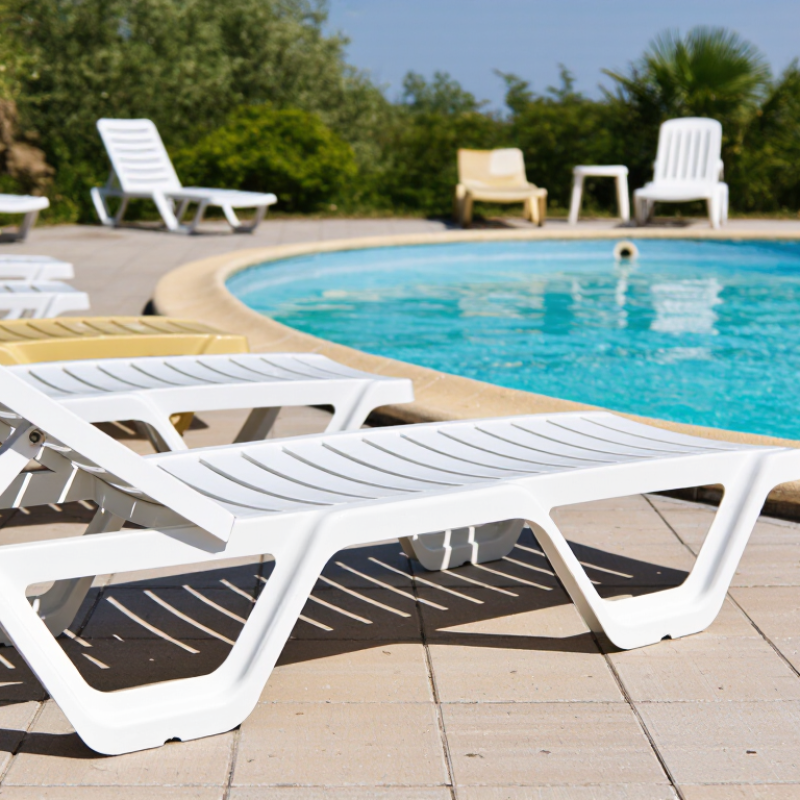
7 Best Reasons Plastic Folding Furniture Yellows in the Sun

Plastic Composition and Its Susceptibility to Sunlight

Plastic folding furniture is often made from polypropylene or high-density polyethylene, chosen for their low weight and resistance to moisture. Yet “plastic” is not one uniform material. The resin, color pigments, and protective additives all affect how a chair responds to sunlight. UV rays can gradually damage polymer chains, while heat and oxygen speed up the process. The surface may lose gloss, become chalky, or shift from a cool white to a warmer yellow. It happens slowly.

Some plastics include UV stabilizers that help absorb or limit radiation damage, but protection varies by formulation and can diminish over time. Pigments matter, too: pale surfaces show yellowing clearly, while darker colors may fade or look dull instead. A useful clue is uneven change. The seat exposed to direct afternoon sun may look different from the shaded underside, even on the same chair. Still, discoloration alone cannot identify the exact plastic or prove that sunlight was the only cause. Cleaning products, smoke, and ordinary aging can also alter a surface. That uncertainty is worth remembering. A shaded storage spot can reduce exposure, though it cannot reverse damage already within the plastic.

How Ultraviolet Rays Break Down Polymer Chains

Plastic chairs often sit for months on bright patios, where sunlight quietly changes their surface chemistry. The Commission Internationale de l’Éclairage classifies UV-A as 315–400 nanometers and UV-B as 280–315 nanometers. These wavelengths can energize bonds in polymers such as polypropylene, creating reactive sites that combine with oxygen. The result is photo-oxidation: polymer chains break or link differently, and the surface can become brittle, chalky, or yellow.

Not instantly. As chains change, oxidation can produce colored chemical groups called chromophores. These absorb visible light, making once-white furniture look cream or yellow. Heat and moisture can accelerate deterioration, while pigments and stabilizers may slow it. ASTM G154, a standard practice for fluorescent-UV weathering tests, includes UV and moisture exposure cycles. Its test hours do not translate directly into a fixed number of outdoor years.

Yellowing alone does not prove that the whole chair is failing. Color changes often begin at the sun-facing armrests and seat edges, while shaded areas remain brighter. The explanation is not always simple: additives, dirt, and surface wear can also affect color. A useful inspection checks for cracking, powdery residue, and loss of flexibility—not appearance alone. Even so, shade and a breathable cover can reduce direct exposure; they cannot reverse damage already done.

7 Best Reasons Plastic Folding Furniture Yellows in the Sun — How Ultraviolet Rays Break Down Polymer Chains

Reason What Happens in the Material Common Clue Practical Prevention
1. UV light initiates polymer photo-oxidation Ultraviolet radiation can trigger chemical reactions in polymers such as polypropylene and polyethylene. In the presence of oxygen, these reactions can form oxidized groups that absorb visible light and make the surface look yellow or discolored. Color change is strongest on surfaces with the greatest sun exposure. Choose outdoor-rated plastic with UV stabilizers, and store or cover furniture when it is not in use.
2. Polymer chains are damaged over time UV-driven reactions can break polymer chains (chain scission) or create links between them. This can reduce toughness and contribute to discoloration, especially as aging progresses. The plastic may become less flexible or more prone to cracking as well as changing color. Limit prolonged direct sunlight and avoid placing aged furniture under loads that stress weakened parts.
3. Heat and oxygen accelerate weathering Sunlight warms furniture, and higher temperatures can speed up oxidation reactions. Heat and oxygen are contributing factors; the amount of damage also depends on the polymer formulation and exposure history. Changes may be faster in hot, exposed locations than in shaded or cooler storage. Provide shade or ventilation and bring furniture indoors during long periods of non-use.
4. Stabilizers can be depleted or become less effective UV absorbers and other light stabilizers help protect plastic, but their protection is finite. Long exposure, formulation, and environmental conditions affect how well they continue to work. Furniture may show gradual, uneven fading or yellowing after repeated seasons outdoors. When buying furniture, look for products specified for outdoor use; a surface cleaner cannot restore depleted stabilizers.
5. Pigments and other additives can change Colorants, fillers, and trace residues from manufacturing can respond differently to light and heat. Their changes, or changes in the surrounding polymer, can shift the apparent color. Different parts or batches may age at different rates, even under similar conditions. Prefer UV-resistant colorants and outdoor-grade formulations; keep replacement parts from prolonged sun exposure before installation.
6. Surface oxidation and wear reveal a changed layer Weathering can alter the outermost plastic layer. Cleaning abrasion, dust, and repeated contact may remove or roughen surface material, making discoloration or fading more noticeable. The surface may look dull, chalky, or rough rather than simply changing color. Clean with mild soap, water, and a soft cloth; avoid abrasive pads and harsh solvents unless the care instructions permit them.
7. Sun exposure is uneven across the furniture UV exposure varies with orientation, shading, and the position of each surface. UV-A spans about 315–400 nm and UV-B about 280–315 nm; both reach outdoor surfaces, while most UV-C is filtered by the atmosphere. One side, seat, or armrest may yellow or fade more than shaded areas. Rotate or reposition furniture when practical, and use a breathable cover or shaded storage to reduce direct exposure.

Note: Yellowing is not inevitable, and its rate varies with the plastic type, additives, color, climate, and exposure. The visible change alone does not identify the exact chemical cause.

Why Heat and Oxygen Speed Up Plastic Discoloration

Heat does more than soften a plastic chair. It speeds chemical reactions inside the polymer. Oxygen can attack vulnerable molecular chains, creating oxidation products called chromophores. These compounds absorb visible light and may make white or pale furniture look yellow. The effect often appears first on sun-facing armrests, where hot surfaces meet fresh air. Sunlight matters too, especially its ultraviolet rays, so heat is only part of the story.

UL 746B thermal-endurance evaluations use thousands of hours of oven aging to assess how plastics retain key properties over time. ASTM D3045 also sets out practices for heat-aging plastics. Neither standard predicts one universal yellowing rate: resin type, pigments, stabilizers, and exposure conditions all matter. As a rough engineering rule, some oxidation reactions may run about twice as fast with each 10°C rise. That is not a reliable forecast for every chair. Small temperature changes can still matter.

A light-colored folding seat left beside a hot window may discolor sooner than one stored indoors. Heat can consume protective additives, while oxygen keeps feeding oxidation at the surface. The exact contribution of each factor is easy to underestimate. A quick wipe may remove dirt, but it cannot reverse chemical color change within the plastic. For clearer comparisons, record the chair’s surface temperature and inspect the same area over time.

How Additives and Pigments Can Change Color Over Time

A white folding chair can turn cream-colored after months beside a sunny window. In polypropylene and similar plastics, ultraviolet light can break polymer chains and trigger oxidation, creating yellowing. Heat speeds the process. UV absorbers and hindered amine light stabilizers slow damage, but their effectiveness depends on the resin, dosage, and exposure. They are not permanent shields.

Pigments matter too. Inorganic pigments often resist sunlight better than many organic colorants, though grade and formulation make a real difference. Titanium dioxide can provide opacity and help limit UV penetration; poorly matched pigments may fade or shift shade.

ASTM G154’s common Cycle 1 test uses eight hours of UV exposure at 60°C, followed by four hours of condensation at 50°C. This is a controlled comparison, not a direct promise of patio lifespan. A chair may look fine in spring, then show uneven fading on its upper surfaces by late summer.

Tips: Choose outdoor-rated furniture with stated UV stabilization, and ask for weathering-test details. Store chairs in shade when practical. Wipe dust from creases, where grime can make color changes harder to judge. Small differences in resin or pigment can matter, so appearance alone is not a reliable durability test.

How Surface Wear and Outdoor Deposits Make Yellowing More Noticeable

Sun exposure does not always make a plastic chair yellow by itself. On a white folding seat, fine scratches can trap dust and pollen, making discoloration look stronger. Ultraviolet light can also break down polymer additives and pigments, gradually changing the plastic’s color. The World Health Organization’s Global Solar UV Index: A Practical Guide classifies UV levels of 6–7 as high and 8–10 as very high. These categories describe exposure risk, not a guaranteed timetable for furniture yellowing. That distinction matters. ASTM D4329, a standard practice for fluorescent-UV testing of plastics, uses controlled weathering conditions; a patio adds fluctuating heat, moisture, and abrasion.

Surface wear changes what the eye sees. A rough, chalky patch holds grime differently from a smooth one, while pale mineral deposits can leave a yellowish film after water dries. Look closely at the seat’s underside: if it remains lighter than the exposed top, sunlight likely contributed; if both sides have residue, cleaning may help. It is easy to mistake dirt for permanent color change. Gentle washing may remove deposits, but it cannot reverse polymer breakdown. Even this check is imperfect: furniture receives uneven shade, and cleaners can affect finishes. The small scuffs around a hinge can make an otherwise slight color shift seem much worse.

7 Best Reasons Plastic Folding Furniture Yellows in the Sun

How surface wear and outdoor deposits can make yellowing more noticeable

UV exposure can degrade some plastics and cause color change. Abrasion, dirt, pollen, oils, and cleaning residues may make discoloration easier to see or harder to remove. Scores are qualitative visibility estimates, not laboratory measurements; actual results depend on the plastic, additives, exposure, and cleaning.

FAQS

Why can a white plastic chair turn yellow?

Heat and oxygen can trigger chemical changes in the plastic. These changes may create compounds that absorb visible light. It can happen gradually.

Does sunlight cause discoloration by itself?

Sunlight, especially ultraviolet light, can damage polymer chains. Heat and oxygen may speed the process, so sunlight is not the only factor.

Which parts of a chair may change color first?

Sun-facing areas, such as upper armrests, often receive more heat and ultraviolet exposure. Look for uneven changes across exposed surfaces.

Can a quick cleaning remove yellowing?

Cleaning may remove surface dirt, but it cannot reverse color changes inside the plastic. A wipe can still help you judge the surface more clearly.

Do protective additives stop fading permanently?

UV absorbers and light stabilizers can slow damage, but they are not permanent shields. Their performance depends on the plastic, amount used, and exposure.

Do pigments affect how well a chair keeps its color?

Yes. Some inorganic pigments resist sunlight better than many organic colorants, but the specific grade and formulation matter. Color alone tells little.

Does a hotter storage area make discoloration happen faster?

It may. Some oxidation reactions can run roughly twice as fast with each 10°C rise, but that estimate does not fit every plastic.

How can I compare color changes over time?

Inspect the same spot regularly and note its surface temperature and exposure. Keep dust out of creases, too. I might miss subtle shifts.

Conclusion

Plastic folding furniture can gradually turn yellow because the materials used to make it respond differently to sunlight. Ultraviolet rays can damage polymer chains, changing how the plastic reflects light and weakening its original color. Heat and oxygen accelerate these chemical changes, so furniture left in a hot, sunny outdoor space may discolor faster than pieces kept in cooler, shaded conditions. The type of plastic, along with its pigments and protective additives, also affects how well its appearance lasts over time.

Surface wear can make the change more noticeable. Small scratches and rough patches scatter light differently, while dust, pollen, and other outdoor deposits may settle on the furniture and add a yellowish cast. Understanding why does plastic folding furniture turn yellow in the sun can help explain why fading varies from one piece to another and why regular cleaning, shade, and careful storage can help preserve its appearance.

Charlotte

Charlotte

Charlotte is a seasoned marketing professional with a deep understanding of the company's portfolio and a passion for elevating its presence in the market. With a keen eye for detail and a commitment to excellence, she ensures that our professional blog is regularly updated with insightful articles......