 Forza Furniture
Top 10 Tips to Maintain Outdoor Folding Furniture Eco-Friendly?
Maintaining outdoor folding furniture can be a challenge, especially when striving for eco-friendliness. According to outdoor furniture expert Jane Oakwood, “Regular upkeep is key to extending the lifespan of your folding furniture.” This insight highlights the importance of understanding how to maintain outdoor folding furniture effectively and responsibly.
Using environmentally friendly products can significantly impact the longevity of your furniture. For example, opting for natural oils or biodegradable cleaners instead of harsh chemicals can protect the environment. Additionally, regular cleaning and storage are crucial. It’s easy to overlook these tasks, yet they make a substantial difference.
Consider seasonal care. Ensuring that your furniture is stored properly during extreme weather prolongs its life. Investing time and energy in simple maintenance can prevent costly replacements in the future, encouraging sustainable practices in your outdoor spaces. Don't underestimate these small actions; they collectively contribute to a larger eco-friendly effort. Each choice you make matters.
Choosing Sustainable Materials for Outdoor Folding Furniture
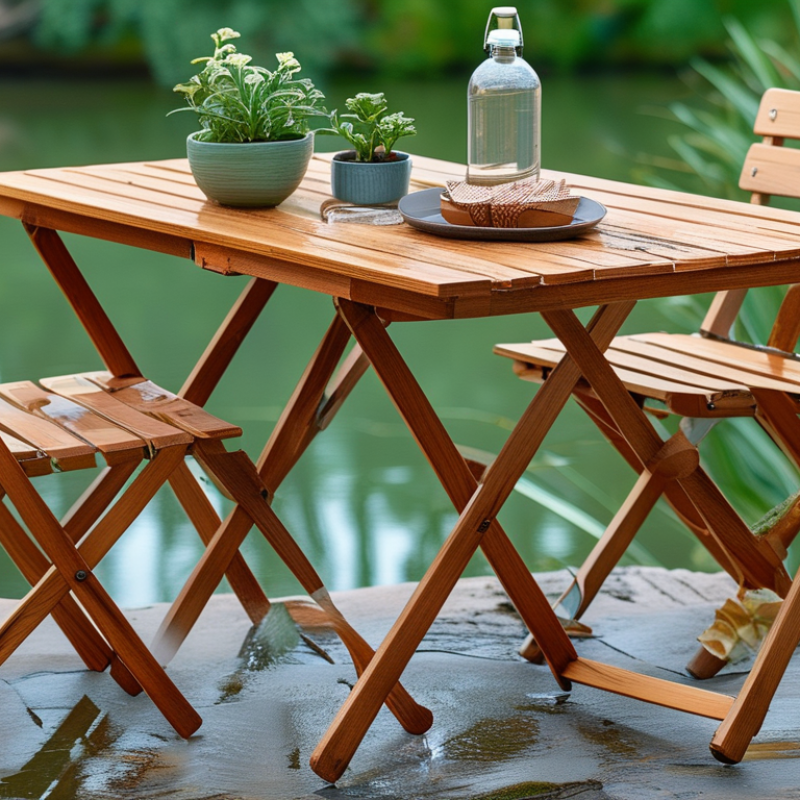
When choosing outdoor folding furniture, sustainable materials are essential. Eco-friendly options can significantly reduce environmental impact. Look for furniture made from recycled plastics, bamboo, or sustainably sourced wood. These materials are not only durable but also enhance the natural beauty of outdoor spaces.
Recycled plastics are gaining popularity. They are often made from post-consumer waste, diverting trash from landfills. Bamboo is another excellent choice. It grows quickly and requires little water, making it a renewable resource. Be mindful of the finish used on wooden furniture. Chemical treatments can negate the eco-friendliness of the wood.
Quality matters even in folding furniture. Lower-quality items may not last long, leading to waste. Aim for pieces that combine practicality with sustainability. Remember, even the best materials can fall short if they are not produced responsibly. Reflect on where and how your furniture is made. This awareness fosters a deeper connection to the choices we make for our outdoor living spaces.
Top 10 Tips to Maintain Outdoor Folding Furniture Eco-Friendly
| Tip No. | Tip Description | Sustainable Material | Maintenance Tips |
|---|---|---|---|
| 1 | Choose FSC Certified Wood | Teak, Acacia | Regularly clean with natural soap and water. |
| 2 | Opt for Recycled Metal | Aluminum, Steel | Avoid harsh chemicals; use gentle cleaners. |
| 3 | Utilize Biodegradable Fabrics | Hemp, Organic Cotton | Store indoors during adverse weather. |
| 4 | Consider Bamboo Furniture | Bamboo | Occasionally apply natural oils for protection. |
| 5 | Use Eco-Friendly Finishes | Water-Based Coatings | Reapply finish every year. |
| 6 | Repair Over Replace | Fix any damage promptly. | |
| 7 | Choose Foldable Designs | Store compactly to save space. | |
| 8 | Select Climate-Resistant Materials | Resin, Polypropylene | Keep covered in extreme conditions. |
| 9 | Research Local Options | Support local artisans and reduce carbon footprint. | |
| 10 | Consider Upcycling Techniques | Transform old furniture into new pieces. |
FAQS
: Use a mixture of vinegar and water. It naturally combats mildew and removes stains effectively.
Mix baking soda with water to create a paste. It's safe for most surfaces and easy to apply.
Lemon juice helps break down grime with its acidity. It also leaves a fresh fragrance behind.
Some persistent stains may not respond to eco-friendly methods. Patience and flexibility are crucial.
Clean surfaces weekly with gentle soap and a soft cloth. This helps prevent mold and damage over time.
It extends furniture life. Regular checks also catch wear and tear before it becomes a bigger issue.
Store furniture indoors during extreme weather. Use covers, but check regularly for trapped moisture.
Use eco-friendly sealants for wood. Apply rust-inhibiting spray for metal frames to prolong their life.
Ignoring care can lead to rapid deterioration. Proactive maintenance saves money and keeps your space inviting.
Embracing imperfections is part of the cleaning journey. Each piece of furniture has unique requirements.
Conclusion
To maintain outdoor folding furniture in an eco-friendly way, it’s crucial to choose sustainable materials that minimize environmental impact. Opt for furniture made from responsibly sourced wood or recycled metals, ensuring longevity and reducing waste. Additionally, use eco-friendly cleaning products that are biodegradable and free from harsh chemicals, safeguarding the environment while keeping your furniture looking great.
Regular maintenance plays a vital role in extending the lifespan of your outdoor furniture. Implement storage solutions that protect your pieces from harsh weather conditions, such as moisture and UV rays. Lastly, consider choosing recycled or upcycled options for outdoor furniture, as this not only supports sustainability but also adds unique character to your outdoor space. By following these tips on how to maintain outdoor folding furniture, you can enjoy a beautiful and eco-conscious outdoor setup.
