Planning a party requires careful consideration of various elements. One of the most important is choosing the right furniture. When it comes to gatherings, the question often arises: what size folding table do I need for parties? The size of your table can greatly influence the comfort and flow of the event. A table that is too small can lead to cramped conditions, while a table that is too large may waste space.
In 2026, the trends in outdoor and indoor gatherings require tables that are versatile. Guests should have enough space to enjoy food and conversation. Think about your guest list. Will you have 10, 20, or more attendees? Each scenario demands a different approach.
Moreover, where will the party be held? A backyard might require a different table size compared to a banquet hall. Consider the layout and decor. The right table should enhance the ambiance. It's worth noting that many hosts overlook essential details, focusing solely on aesthetics. However, functionality is key to memorable events.
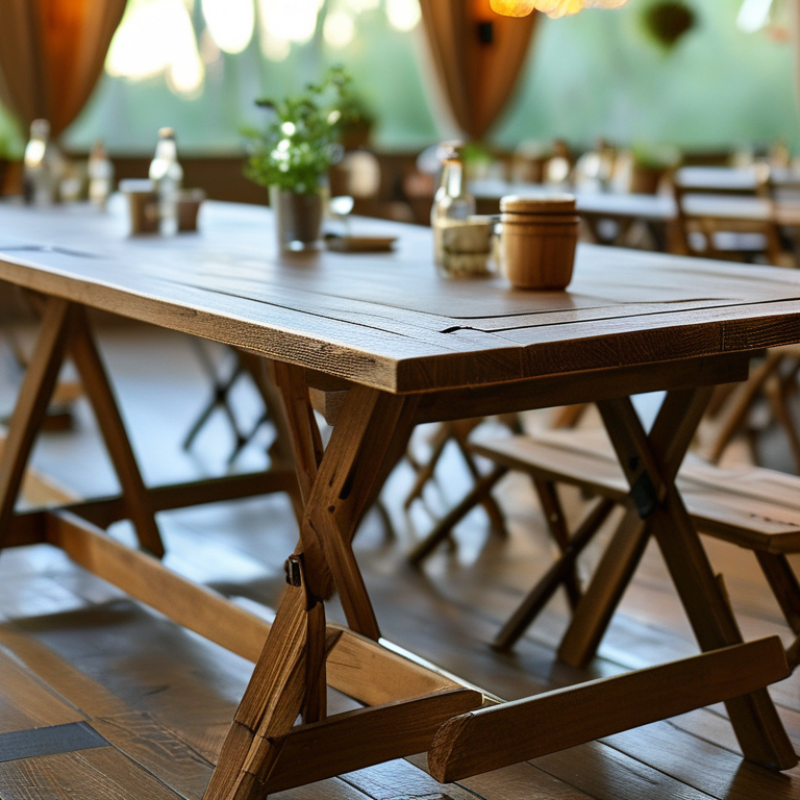
Choosing the right size folding table for your parties in 2026 starts with understanding its purpose. For casual gatherings, a 6-foot table works well. It's capable of seating six to eight guests. This size provides ample space for dishes and drinks, allowing for comfortable dining. A survey from the Event Industry Council found that about 70% of planners prefer this size for informal events.
Consider specific needs when selecting a table. If you're hosting a buffet, larger configurations are ideal. An 8-foot table can accommodate more food items and facilitate better flow. According to recent industry reports, events with adequate surface areas see a 30% increase in guest satisfaction. On the other hand, if you're limited on space, smaller tables might be necessary. Compact options can help avoid overcrowding and allow room for movement.
Reflect on combinations as well. Using several smaller tables can create a unique layout. Guests can mingle more freely, enhancing the overall atmosphere. However, avoid cluttering the space. Keep accessibility in mind; navigate paths should remain open. Maintaining balance between size and purpose is crucial for a successful event.
Choosing the right folding table for parties is crucial. There are various types available, each serving different needs. Rectangular tables are popular for seating and serving food. They can accommodate more guests, making them a great choice for larger gatherings. However, they may require more space. Round tables, on the other hand, promote conversation and create a cozy atmosphere. They work well for smaller parties but may limit seating options.
Consider also the size of the table. A standard table height is about 30 inches, but some events may benefit from a higher table. Bar-height tables, for example, encourage a more casual vibe. In contrast, lower tables might not be suitable for formal settings. Weigh the pros and cons of each style. Folding tables are often designed for flexibility, making them a convenient option.
Reflect on your event's layout too. If space is limited, smaller tables may be necessary. Think about how guests will move around. A cluttered space can lead to an uncomfortable experience. Finding the right balance between size and functionality can be challenging. It's essential to plan carefully to ensure everyone enjoys the event.
When planning a party, selecting the right folding table size is crucial. Start by assessing your space. Is your venue spacious or compact? Measure the area where you’ll set up the table. A 6-foot table typically accommodates up to 6 people comfortably. However, if you have a larger space, an 8-foot table can fit 8 to 10 guests.
Consider the type of party you’re hosting. For a sit-down dinner, provide enough room for guests to enjoy their meals. If it's a more casual gathering, you may need fewer tables. Think about the layout as well; round tables can create an inviting atmosphere but take up more space.
Don’t forget about accessibility. Ensure there's enough room for people to move around and that chairs can be easily pulled out. It’s easy to underestimate space requirements. Pushing tables too close together can lead to discomfort. Reflect on your past events—what worked and what didn’t? This insight will guide your decision, helping you choose the optimal folding table size for your gathering.
| Table Size | Dimensions (ft) | Seating Capacity | Recommended Use |
|---|---|---|---|
| 4 ft Rectangular | 4' x 2' | 4-6 | Small gatherings, buffet stations |
| 5 ft Round | 5' diameter | 6-8 | Casual dining, small parties |
| 6 ft Rectangular | 6' x 30' | 6-8 | Dinner parties, events |
| 8 ft Rectangular | 8' x 30' | 8-10 | Large gatherings, family reunions |
| Round 60 inch | 5' diameter | 8-10 | Wedding receptions, banquets |
Choosing the right folding table for parties in 2026 requires careful consideration of height and shape. Tables come in various heights, typically categorized as standard (28-30 inches) or counter height (34-36 inches). According to a recent industry report, the right table height can significantly impact guest comfort and interaction. For instance, a standard table works well for seated dining, while bar-height tables encourage mingling.
Shape is equally important. Rectangular tables are excellent for seating more guests and efficient space use. In contrast, round tables create a more intimate atmosphere, promoting better conversation. A study conducted by the Event Planning Institute indicated that round tables can enhance guest interaction by up to 30%. Choosing a shape depends on the party's nature and the number of guests.
When planning your event, remember to consider the layout. A well-planned space allows for smooth movement without crowding. Also, assess how decorations will fit on the table. Each event is unique, and sometimes the ideal setup may elude us. Don't shy away from trial and error to discover what truly works for your gatherings. Always have a backup plan; flexibility can save the day.
When planning outdoor parties in 2026, choosing the right folding table is crucial. Material and durability significantly influence your decision. Polyethylene tables are popular for their weather resistance. According to the American Furniture Manufacturers Association, nearly 70% of outdoor events prefer tables made from such materials due to their longevity and easy maintenance.
Wooden tables offer a rustic charm but often require more care. In fact, research from the Outdoor Furniture Association indicates that untreated wood can warp or splinter when exposed to moisture. The lifespan of wooden tables averages only five years without proper treatment. It's essential to consider where you will use the table most.
Many event planners recommend using aluminum folding tables for their lightweight and durable nature. A report by the National Association of Catering Executives found that 80% of event coordinators favor aluminum due to its versatility and strength. These tables are also resistant to rust and corrosion, making them excellent for outdoor settings. Yet, they may not blend well with all décor styles, prompting thoughtful consideration.
: Folding tables generally come in standard height (28-30 inches) and counter height (34-36 inches).
The right table height enhances comfort and interaction. Standard tables suit seated dining; counter height tables encourage mingling.
Round tables foster conversation. They create an intimate atmosphere, enhancing guest interaction by up to 30%.
A well-planned layout facilitates smooth movement. It prevents crowding and ensures comfort for guests.
Popular options include polyethylene for weather resistance, and aluminum for durability. Each has its pros and cons.
Wooden tables need more maintenance. Untreated wood can warp when moist, reducing lifespan to about five years.
Consider durability and the environment. Aluminum is lightweight and rust-resistant, but may not suit every décor.
Yes, flexibility can resolve unforeseen issues during gatherings. It helps adapt to unexpected challenges while entertaining.
Sometimes the ideal setup isn't obvious. Experimenting with different arrangements can lead to better outcomes for your events.
No, sometimes it eludes us. This is normal, and it’s important to continuously reflect on past setups to improve.
When planning a party, it is essential to ask yourself, "what size folding table do I need for parties?" Start by determining the table's purpose, whether it's for dining, snacks, or activities, as this will shape your decision. Understanding the different types of folding tables available can help you select the best option for your event.
Next, assess your space requirements and guest capacity to ensure you choose a table that fits well without overcrowding the area. Consider the height and shape of the table, as these factors can greatly influence functionality and accessibility. Lastly, if your party is outdoors, evaluate the materials and durability of the folding tables to withstand various weather conditions. By carefully considering these aspects, you can select the perfect folding table to enhance your party experience.

Forza Furniture