When considering furniture options, many buyers ponder, "what are the benefits of resin vs plastic chairs?" According to industry expert John Smith, "Choosing the right material can significantly impact durability and comfort." His insights emphasize the growing importance of material selection.
Resin chairs offer unique advantages. They are often more durable under outdoor conditions compared to common plastic alternatives. This resilience is particularly beneficial for commercial spaces or gardens that endure various weather conditions. Smith notes that resin's lightweight nature makes it easy to transport without sacrificing stability.
On the other hand, plastic chairs, while often more affordable, may not provide the same long-term value. They can be prone to fading and cracking over time. Considering the longevity of furniture is essential. Buyers should reflect on these factors to make an informed choice.
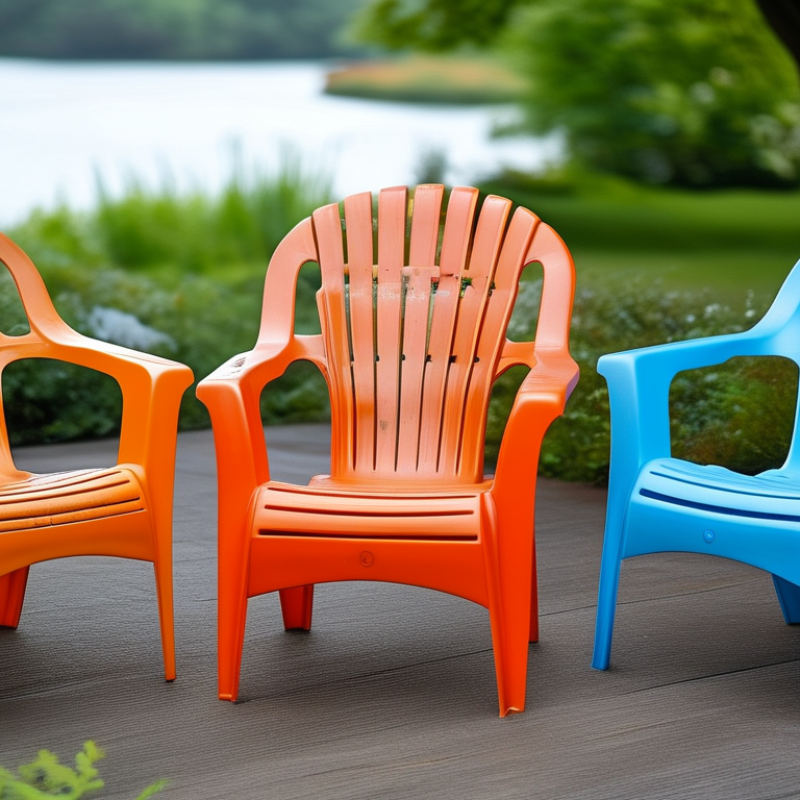
When considering resin and plastic chairs, it's essential to understand their distinct properties. Resin chairs often boast higher durability and resistance to weather variations, making them suitable for outdoor settings. Studies indicate that resin products can last up to 20 years when maintained properly. In contrast, plastic chairs can be more affordable, but their lifespan typically ranges between 5 to 10 years.
In addition to durability, aesthetics play a crucial role. Resin chairs can mimic the look of wood while remaining lightweight. Plastic chairs, however, come in a broader array of colors and designs but may lack the same premium feel. This visual difference can influence buyer preferences significantly.
Choosing between resin and plastic chairs involves weighing cost against longevity. Here are some crucial insights:
Consider your environment. For heavy-duty outdoor use, resin is a better option. For indoor use, plastic is often sufficient.
Evaluate the manufacturing reports. Research indicates that over 60% of consumers prioritize durability in their purchases.
Understand your target market. Different demographics may favor one material over the other based on design preferences and comfort.
Resin chairs have become a preferred choice for many due to their exceptional durability and weather resistance. Unlike traditional plastic chairs, resin chairs are engineered to withstand tough conditions. They don’t crack or fade easily under direct sunlight. This makes them ideal for outdoor settings, where exposure to rain and sun can quickly degrade other furniture types.
When investing in chairs for outdoor use, think about longevity. Resin chairs can endure harsh winters and heavy rains without significant wear and tear. Their lightweight design also makes them easy to move around, adding to their versatility. However, not all resin chairs are created equal. Quality can vary, and it's essential to choose wisely, ensuring you get a product that combines affordability with reliability.
One of the lesser-known aspects is their maintenance. Resin chairs generally require minimal upkeep, saving time and effort. A simple wipe-down with soapy water is often enough to keep them looking fresh. Still, consumers sometimes overlook this, leading to unnecessary wear. It’s crucial to remain attentive to any signs of fading or damage and address them promptly to extend the life of your furniture.
When considering resin and plastic chairs, cost plays a key role for global buyers. Resin chairs often appear pricier than their plastic counterparts. However, factors like durability and maintenance can justify the higher initial investment. Buyers need to assess the longevity of each option. High-quality resin chairs resist fading and cracking over time, saving replacement costs in the long run.
Plastic chairs offer a budget-friendly alternative. They are often lightweight and versatile, making them suitable for various settings. A lower price point can attract many buyers. Yet, cheaper plastic options might require more frequent replacements. This can lead to increased costs over time. Deciding between resin and plastic chairs requires a careful evaluation of not just initial costs, but also long-term value.
In terms of pricing trends, the market shows fluctuations based on material availability and manufacturing processes. Resin materials are sometimes impacted by environmental factors, leading to occasional price hikes. Buyers can benefit from tracking market trends to make informed decisions. A deeper look into quality versus price can help consumers choose wisely in today's diverse marketplace.
Resin and plastic chairs bring a wealth of design variety to the market. Their versatility allows for an array of shapes, colors, and finishes. From sleek modern lines to rustic, textured appearances, these chairs can suit any decor. People often underestimate how color can transform a space. Bright hues create a lively atmosphere, while softer tones offer a calming vibe. The right chair can make a statement or seamlessly blend in.
Beyond aesthetics, functionality is essential. Resin and plastic chairs are lightweight, making them easy to move. This feature supports different room configurations and outdoor gatherings. However, some buyers may overlook the importance of durability. While plastic options can be less expensive, they might not withstand the elements as well as resin chairs. Careful consideration is needed when choosing between cost and longevity.
In today’s market, eco-friendliness is also a concern. Some manufacturers create sustainable options, allowing buyers to support responsible practices. However, not all products marketed as eco-friendly are genuinely sustainable. Researching materials can help determine their true impact. The design and practical benefits of resin and plastic chairs highlight the importance of thoughtful purchasing decisions in today’s consumer landscape.
When considering the environmental impact of resin and plastic chairs, sustainability is a crucial factor. According to a 2021 report from the Environmental Protection Agency, approximately 8.3 million metric tons of plastic waste was generated globally in one year. This staggering figure highlights the ongoing environmental crisis. Plastic chairs, often made from new, non-renewable materials, contribute significantly to this issue.
In contrast, resin chairs can offer a more sustainable alternative. Many resin materials are derived from renewable resources or are designed to be recyclable. A study by the United Nations found that recycling plastics can reduce greenhouse gas emissions by up to 68%. The durability of resin chairs also means they have a longer lifespan, reducing the need for frequent replacements. Ultimately, both materials present challenges, but choosing resin may align better with sustainable practices.
However, not all resin products are equally eco-friendly. Some may still contain harmful additives that impact their recyclability. Transparency in sourcing and production methods is vital. Buyers should seek information on the specific types of materials used, as the sustainability of a product can vary widely within the industry. While resin may be a preferable option, it is essential to remain vigilant and informed.
: Resin chairs are engineered to resist tough conditions. They don't crack or fade easily, even in sunlight.
They withstand harsh winters and heavy rains without significant wear and tear. Longevity is a major benefit.
Yes, they require minimal upkeep. A simple wipe-down with soapy water keeps them looking fresh.
No, quality can vary significantly. It's essential to choose wisely for affordability and reliability.
Resin chairs are often pricier upfront but offer long-term value with durability and less frequent replacements.
They are budget-friendly but may need frequent replacements, which can increase overall costs over time.
Evaluate initial costs, long-term durability, and maintenance. This will help make an informed decision.
Yes, resin prices can fluctuate due to material availability and environmental factors. Keep track for better choices.
Many overlook signs of fading or damage. Addressing these promptly is essential for extending the furniture's life.
Their weather resistance makes them a smart choice for outdoor settings, enhancing their usability and durability.
In the ongoing debate of resin vs plastic chairs, buyers should consider various factors to determine what are the benefits of resin vs plastic chairs. Resin chairs offer superior durability and weather resistance, making them an ideal choice for both indoor and outdoor use. They tend to withstand harsh conditions better than traditional plastic chairs, ensuring longevity and reducing replacement costs over time.
Cost considerations also play a crucial role; while resin chairs may come at a higher initial price, their durability and reduced maintenance can lead to savings in the long run. Additionally, resin chairs provide a wider range of design options that enhance aesthetic appeal, allowing buyers to achieve their desired look. Lastly, the sustainability aspect cannot be overlooked, as resin materials often have a lower environmental impact compared to their plastic counterparts. Overall, understanding these key differences will guide global buyers in making informed choices between resin and plastic chairs.

Forza Furniture