 Forza Furniture
How to Refurbish Old Wooden Folding Furniture for a Fresh Look?
In today's eco-conscious world, refurbishing old wooden folding furniture is becoming more popular. The global furniture refurbishing market is projected to grow rapidly, with a compound annual growth rate of over 7%. This trend emphasizes the value of sustainability and the resurgence of vintage styles. Many are asking how to refurbish old wooden folding furniture to revitalize their homes and reduce waste.
Renovating old furniture not only enhances its aesthetic but also extends its lifespan. Old wooden folding chairs and tables often carry unique stories and charm that new items lack. However, the process can be challenging. Choosing the right techniques and materials is crucial. Improper methods can ruin the furniture's integrity. According to recent market studies, a significant percentage of consumers report dissatisfaction with DIY furniture projects without proper guidance. Learning how to refurbish old wooden folding furniture can turn these frustrations into rewarding outcomes.
It's essential to approach each piece with care, recognizing the imperfections that may arise during restoration. The right tools and finishes can elevate quality but require caution. Mistakes in technique can lead to irreversible damage. This journey of refurbishing is about more than aesthetics; it’s about appreciating craftsmanship and history while navigating the complexities of restoration.
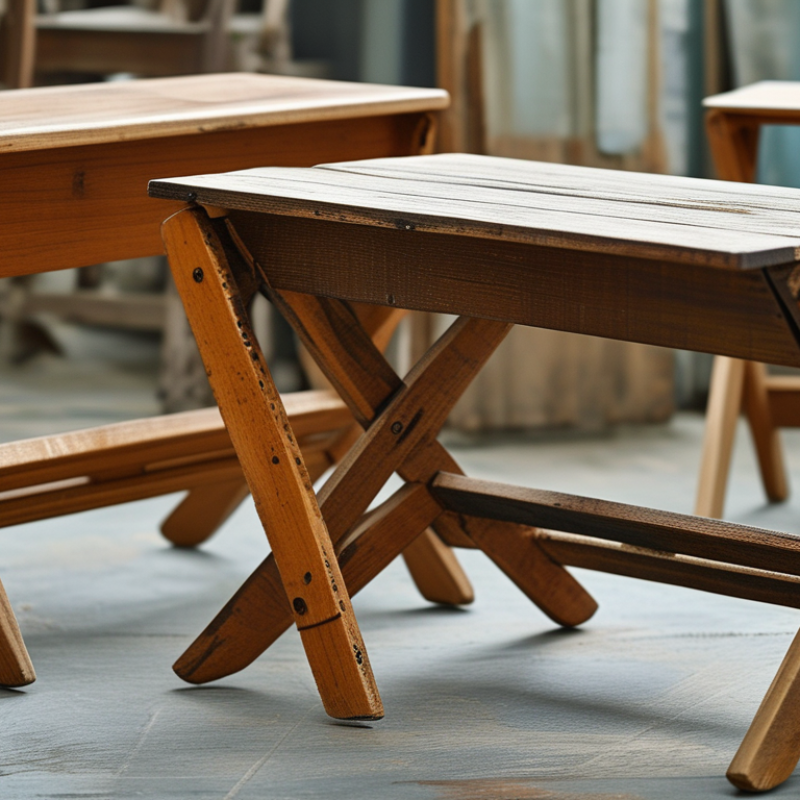
Assessing the Condition of Your Old Wooden Folding Furniture
Assessing the condition of your old wooden folding furniture is crucial for a successful refurbishment. Start by examining the joints and hinges. Are they loose or misshapen? Check for cracks in the wood. These can be signs of deeper issues. Look for signs of water damage, like warped surfaces or peeling paint. If the furniture feels wobbly, it might require extra care.
Next, consider the finish. Is the varnish dull or chipped? This can affect the overall appearance. Test the surface by running your hand over it. A smooth finish will feel nice, while rough patches may need sanding. Take note of any discoloration; this may need staining later for a fresh look.
Tips: Use a damp cloth to clean the surfaces before testing. This can reveal hidden damages. If you find any significant structural issues, consider consulting a professional. Remember, each piece tells a story, and respecting its history is essential. A fresh coat of paint may hide imperfections but can't fix them. Think carefully about how much you want to keep original versus revamped.
FAQS
: Check joints and hinges for looseness. Look for cracks and signs of water damage.
Cracks in the wood may suggest more serious problems. Wobbly furniture also requires attention.
Examine for dull or chipped varnish. Run your hand over surfaces to feel for rough patches.
Use a damp cloth to clean surfaces. This may reveal hidden damages that need addressing.
An electric sander or sandpaper, wood cleaner, sealant, brushes, and paint or stain are essential.
Lack of protective equipment can lead to accidents. Always wear gloves and masks while working.
Start with a soft brush to remove dirt. Use warm water and mild soap for stains, then sand the surface.
Apply wood filler to deeper imperfections. Sand the surface to ensure an even finish.
Yes, maintaining some original aspects honors its history. Reflect on what to preserve versus update.
Thoughtfully choose tools and evaluate your repair capabilities. Recognizing your limits can help avoid overwhelm.
Conclusion
In the article "How to Refurbish Old Wooden Folding Furniture for a Fresh Look," the process begins with assessing the condition of the furniture to determine necessary repairs and enhancements. Next, it emphasizes gathering essential tools and materials to ensure a smooth refurbishment process. The cleaning and preparation of wooden surfaces are crucial steps that follow, as they create a clean canvas for further work.
In addition, the article delves into techniques for sanding and smoothing out any imperfections, ensuring a professional finish. Finally, it guides readers through choosing and applying suitable finishes that lend a modern aesthetic to the refurbished pieces. By following these structured steps, anyone can learn how to refurbish old wooden folding furniture, giving it a renewed life and charm.
