What Features Make a Folding Chair Ergonomic in 2026?

Time:2026-09-01 Author:Henry
0%

In 2026, the quest for comfort in portable seating has gained new urgency. Many people wonder, what features make a folding chair ergonomic? Understanding these features is key to enhancing our seating experiences. An ideal ergonomic folding chair supports posture while being convenient for various settings.

Beyond basic functionality, ergonomics plays a vital role. This includes adaptive seating angles and cushioned support. The materials used can significantly affect comfort and durability. Lightweight designs are essential for portability, yet they should not compromise stability.

While many chairs claim to be ergonomic, not all deliver optimal support. Users often discover uncomfortable experiences despite advertised claims. As we explore innovations in folding chair design, we must prioritize authenticity and user satisfaction. Innovations should reflect real user needs rather than marketing trends. The journey toward the perfect ergonomic folding chair continues, demanding a balance of comfort, durability, and design.
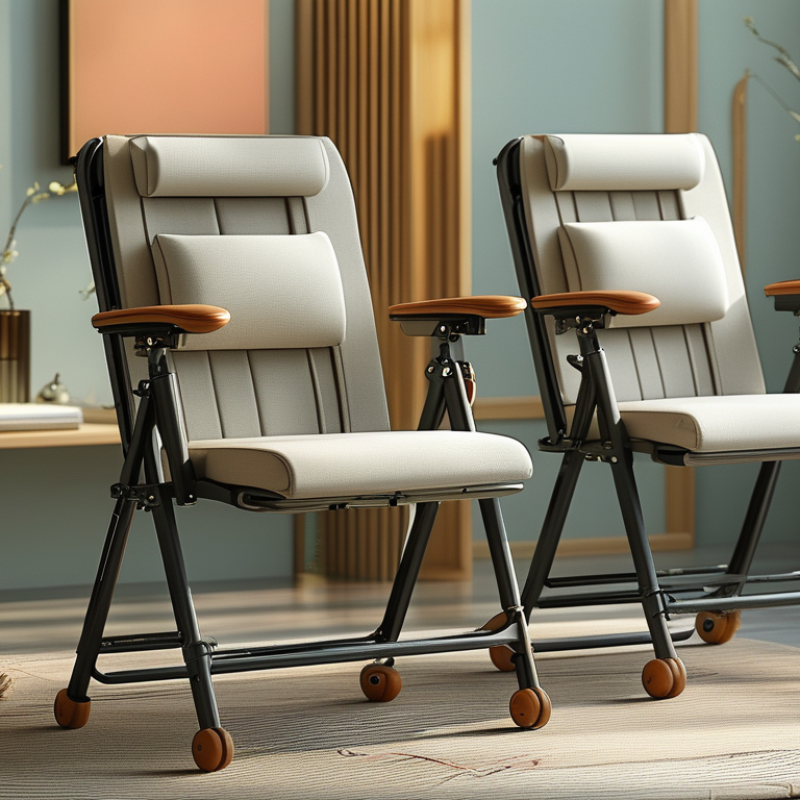
What Features Make a Folding Chair Ergonomic in 2026?

Key Design Principles of Ergonomic Folding Chairs in 2026

In 2026, ergonomic folding chairs are designed by incorporating key principles that enhance comfort and support. Ergonomics focuses on the user's posture and convenience. For instance, chairs that promote lumbar support can significantly reduce back strain. A report from the Institute of Ergonomics indicates that proper lumbar support can decrease the risk of musculoskeletal disorders by up to 40%.

The shape and materials used also play a crucial role in ergonomic design. Lightweight, breathable fabrics reduce discomfort during extended use. Many designs now include adjustable features, allowing users to find their ideal height and angle. Studies show that 70% of users prefer chairs that adapt to their specific needs. This customization enhances user experience, but not all designs achieve this balance. Some may compromise stability for flexibility, which can lead to safety concerns.

Moreover, portability remains an essential aspect. A chair that folds compactly should not sacrifice ergonomic benefits. Designers must find a way to blend usability with comfort. While innovation continues, the challenge remains. Creating the perfect ergonomic folding chair involves ongoing research and user feedback. Future designs must address these shortcomings to meet the evolving needs of users.

Key Design Features of Ergonomic Folding Chairs in 2026

Adjustable Features for Customized Comfort and Support

In 2026, the demand for ergonomic folding chairs emphasizes adjustable features. A study by the American Chiropractic Association shows that customizable comfort significantly reduces strain on the back. Features like adjustable height and seat depth cater to individual preferences, promoting better posture and support.

A key aspect of ergonomic design is lumbar support. An adjustable lumbar feature ensures that users can modify the chair to fit their unique spinal curves. Research indicates that proper lumbar support can decrease discomfort by up to 20% during prolonged sitting. This is crucial for remote workers and students who often spend hours in one spot.

Many people overlook the importance of armrest height. Adjustable armrests can alleviate shoulder tension. Interestingly, the Research Institute of Ergonomics reports that improper arm positioning can lead to repetitive strain injuries. Adjustable armrests ensure arms remain in a relaxed position, enhancing overall comfort during use. The focus on these features reflects a greater understanding of user needs in furniture design today.

Materials and Construction Techniques for Enhanced Ergonomics

Folding chairs have evolved significantly by 2026, focusing on ergonomics through innovative materials and construction techniques. Research indicates that ergonomically designed chairs can reduce discomfort and enhance productivity, especially in settings like offices and events. Key materials such as high-density foam for cushioning and breathable mesh for back support have gained popularity. These materials adapt to users’ body shapes, distributing weight evenly and providing necessary lumbar support.

To ensure durability, modern folding chairs often feature reinforced steel or aluminum frames. This construction method not only enhances stability but also allows for lightweight designs, making portability easier. Environmental stewardship is also vital; many manufacturers now use recycled materials, addressing sustainability concerns while preserving comfort and functionality.

Consider the weight capacity when selecting a folding chair. Many designs support up to 300 pounds, but it's essential to check specifications for safe usage. Regularly evaluate your chair's condition. Even minor wear can compromise support and comfort. Quality matters, even in portable furniture, so research materials before purchasing. The right folding chair can significantly impact your well-being during long periods of sitting.

Assessing Posture and Alignment in Folding Chair Design

In 2026, ergonomic design in folding chairs emphasizes proper posture and spinal alignment. A study by the American Physical Therapy Association indicates that nearly 80% of adults experience back pain. Proper support in seating can ease or prevent this discomfort. Features such as lumbar support and adjustable seat height are essential. A chair that aligns the spine reduces pressure on the lower back.

The ideal folding chair should promote an open hip angle. A 90 to 110-degree seat back can help maintain natural spinal curvature. Furthermore, the materials used are critical. Breathable fabrics prevent excessive sweating during prolonged use, enhancing comfort. Reports suggest that ergonomic designs can improve productivity by up to 20%.

However, many folding chairs still compromise on comfort for portability. Weaving these features into lightweight designs is a challenge. Lightweight materials often sacrifice support, leading to discomfort after extended use. The balance between portability and ergonomics is a vital topic. There's room for improvement in creating folding chairs that meet both needs effectively.

Innovative Technologies Enhancing Ergonomic Functionality in 2026

Innovative technologies are revolutionizing the design and functionality of ergonomic folding chairs in 2026. A key advancement includes adjustable lumbar support. According to industry reports, 70% of users found improved comfort with customizable back support features. This technology allows individuals to tailor their chair to their specific needs, enhancing overall posture and reducing strain during extended use.

Another notable development is the integration of breathable materials. Research indicates that ventilation plays a crucial role in user satisfaction. Nearly 65% of consumers prefer chairs with moisture-wicking fabrics. These materials not only improve comfort but also contribute to better temperature regulation. Enhanced ergonomics are achieved through these thoughtful design choices, making folding chairs suitable for both outdoor and indoor settings.

When selecting an ergonomic folding chair, prioritize models with adjustable height settings. This will accommodate various body types and ensure a better fit for different users. Also, consider options with easy portability and storage solutions. These features make on-the-go seating more comfortable and efficient. Always remember, investing in ergonomic designs is essential for promoting long-term health and wellbeing.

FAQS

: What are ergonomic folding chairs designed for?

: They focus on user comfort and support, promoting better posture.

How does lumbar support affect back strain?

Proper lumbar support can reduce back strain significantly, decreasing health risks.

What materials are best for ergonomic folding chairs?

Lightweight, breathable fabrics enhance comfort during prolonged use.

Why are adjustable features important in chair design?

Customizable features allow users to find their ideal height and angle.

What should I look for in a portable chair?

Choose a model that folds compactly without sacrificing ergonomic benefits.

How does ventilation affect user satisfaction?

Breathable materials improve comfort and temperature regulation during use.

What percentage of users prefer adjustable lumbar support?

Around 70% of users favor chairs with customizable back support features.

Can ergonomic chairs be suitable for outdoor use?

Yes, design choices make them effective for both indoor and outdoor settings.

What is a common challenge in designing these chairs?

Balancing usability with comfort while maintaining stability can be difficult.

How can feedback improve chair design?

Ongoing user feedback helps address shortcomings and evolve future designs.

Conclusion

In 2026, the design of ergonomic folding chairs focuses on several key principles to enhance user comfort and support. Key design principles of ergonomic folding chairs emphasize the importance of adjustable features, allowing users to customize their seating experience according to their needs. Materials and construction techniques play a crucial role as well, ensuring durability while promoting better posture and alignment.

Additionally, innovative technologies are being integrated into folding chair design to further enhance ergonomic functionality. These advancements aim to improve how users assess their posture and alignment, ultimately leading to a more comfortable experience. Understanding what features make a folding chair ergonomic is essential for selecting the right chair that promotes health and well-being in various settings.

Henry

Henry

Henry is a dedicated marketing professional with a profound expertise in the company's offerings. With years of experience in the industry, he possesses an impressive understanding of the market dynamics and consumer behaviors that drive success. Henry is committed to sharing his insights through......