Choosing the right material for outdoor folding tables is crucial. Many factors come into play, including durability, weight, and weather resistance. According to a recent industry report, 70% of consumers prioritize durability when selecting outdoor furniture. This highlights the importance of understanding what is the best material for outdoor folding tables.
Wood, aluminum, and plastic are popular choices. Each material has its strengths and weaknesses. For instance, wood offers elegance but requires more maintenance. Aluminum is lightweight and rust-resistant, while plastic is affordable and easy to clean. Despite their advantages, plastic tables can warp over time.
A survey by the Outdoor Furniture Association indicates that 60% of users prefer materials that withstand UV exposure. This means that finding a balance between aesthetics and practicality is essential. Evaluating how often you will use the table outdoors will also influence your material choice. Reflecting on these aspects can help ensure you make an informed decision.
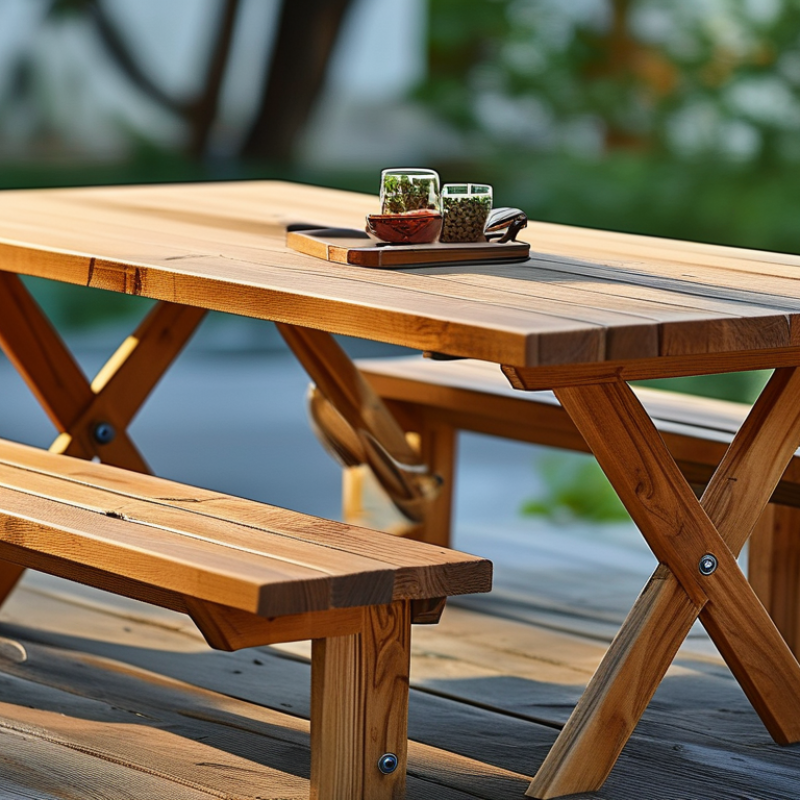
Understanding the Importance of Material Selection for Outdoor Folding Tables
When it comes to outdoor folding tables, material selection greatly influences durability and usability. Research by the American Society for Testing and Materials shows that high-density polyethylene (HDPE) can withstand extreme weather conditions better than many alternatives. This plastic is resistant to rust and easy to clean, making it a popular option. However, it may lack the aesthetic appeal of wood or metal tables.
Metal tables, often made of aluminum, are lightweight and strong. They typically resist corrosion, which is vital for outdoor use. However, constant exposure to harsh environments can lead to paint chipping. This common issue highlights the importance of proper care and maintenance, as well as using protective coatings. Additionally, wood tables offer a classic look, but their susceptibility to moisture and pests should not be overlooked.
Ultimately, the decision isn't just about choosing materials. It involves weighing aesthetics, functionality, and longevity. The Outdoor Furniture Manufacturing Association emphasizes that user needs should guide material choice. A well-made table, regardless of material, should serve its purpose without frequent replacements. Consider each material's pros and cons carefully to ensure satisfaction over time.
Evaluating Durability: Comparing Wood, Metal, and Plastic Options
When choosing a material for outdoor folding tables, durability is key. Wood, metal, and plastic each offer unique benefits. According to a study by the American Furniture Manufacturers Association, wood tables can last over a decade with proper care. However, they are susceptible to moisture damage. Metal options, particularly aluminum, resist rust and weathering. But they can be prone to scratches and dents. Plastic tables are lightweight and often inexpensive, yet they may not last as long under harsh UV exposure.
It's essential to consider where the table will be used. For beach outings or picnics, plastic might be preferred for its portability. On the other hand, wooden tables can enhance aesthetics but require regular maintenance. Inspecting the table's finish or coating is crucial. Tables treated with sealants may withstand rain better than untreated ones.
Here are some tips: Choose metal tables for longevity and resistance to the elements. Look for moisture-resistant wood if you prefer a natural look. Always check weight limits to avoid potential collapse. Reflect on your needs. A heavier option offers stability, but a lighter one enhances mobility.
Durability Comparison of Outdoor Folding Table Materials
Weather Resistance: How Different Materials Hold Up Against the Elements
When choosing materials for outdoor folding tables, weather resistance is crucial. Different materials react uniquely to sun, rain, and temperature changes. For instance, aluminum is lightweight and resistant to rust, making it a popular choice. However, it can become hot under direct sunlight. Consider adding a cloth cover to improve comfort.
Wood offers a natural look but requires regular maintenance. Without proper sealing, it can warp or crack in wet conditions. Some hardwoods, like teak, are better suited for outdoor use as they repel moisture. Yet, they can be heavy and less portable.
Plastic tables are often affordable and resistant to moisture. They can handle sun exposure without fading, though they may not withstand extreme temperatures. Over time, plastic can become brittle, requiring replacement. Evaluate how often you'll use the table and the climate in your area. Each material has pros and cons based on your specific needs. Consider the environment carefully before making a decision, as it greatly affects durability.
Weight Considerations: Portability vs. Stability in Outdoor Settings
When choosing materials for outdoor folding tables, weight is a key factor to consider. A lightweight table enhances portability, making it easy to transport. For campers or outdoor event hosts, this is crucial. You can effortlessly carry the table for picnics, barbecues, or beach outings. However, this portability often comes with trade-offs.
Light materials like aluminum or plastic may compromise stability. In windy conditions, lightweight tables can easily tip over. This can lead to spills or accidents, which can ruin an outdoor gathering. Conversely, heavier materials like steel or hardwood provide more stability but are less convenient to carry. It becomes a balancing act between weight and sturdiness.
The right choice depends on your specific needs. If you prioritize travel ease, a lighter table may be best. But if your outdoor settings are windy or uneven, a heavier option could be wiser. Consider where and how often you'll use the table. An understanding of these factors is essential for making a satisfying choice. Reflecting on your requirements can lead to better outdoor experiences.
How to Choose the Best Material for Outdoor Folding Tables? - Weight Considerations: Portability vs. Stability in Outdoor Settings
| Material |
Weight (lbs) |
Portability (1-5) |
Stability (1-5) |
Recommended Use |
| Aluminum |
10 |
5 |
4 |
Beach, Camping |
| Wood |
20 |
3 |
5 |
Picnics, Backyard BBQs |
| Plastic |
15 |
4 |
3 |
Events, Parties |
| Steel |
25 |
2 |
5 |
Construction Sites |
| Composite |
18 |
4 |
4 |
Multi-purpose use |
Cost Analysis: Investing in Quality Materials for Longevity and Performance
When considering outdoor folding tables, cost analysis is crucial. Investing in quality materials often pays off. Cheaper tables may save money initially, but they might not withstand weather changes. For example, a table made of durable aluminum can resist rust and corrosion. This longevity can lead to fewer replacements, ultimately saving money.
While lower-priced options are tempting, durability is key. Lightweight plastic tables can crack and fade quickly under sun exposure. Over time, replacing these tables can become costly. Choosing solid wood or high-density polyethylene can ensure better performance. However, these materials might require more upfront investment.
It's vital to consider how often you plan to use the table. Casual users may find budget options sufficient. Frequent users, however, should rethink their choices. Investing in sturdy designs can enhance outdoor experiences. Remember, the initial cost often reflects long-term value. Quality materials can elevate outdoor gatherings, making them more enjoyable. Consider your needs carefully; it’s a decision worth reflecting on.
FAQS
: High-density polyethylene (HDPE) is durable and easy to clean. However, it may lack beauty.
With proper care, wood tables can last over a decade. Moisture exposure is a risk.
Metal tables, usually aluminum, resist rust and are lightweight. However, they can chip with constant exposure.
Lightweight tables are portable but may tip over. Heavier options provide stability but are harder to move.
Plastic tables are lightweight and affordable. Yet, they often degrade faster under harsh sunlight.
Regular maintenance helps. Treating with sealants can protect against moisture.
Always inspect the finish or coating regularly. Look for signs of wear to ensure longevity.
Yes, in windy conditions, a heavier table offers more stability. A balance is necessary based on usage.
It's great for beach outings but may lack durability for more rugged settings. Consider the environment.
Material choice affects durability, aesthetics, and functionality. Reflecting on your needs leads to better outcomes.
Conclusion
When selecting outdoor folding tables, understanding what is the best material for outdoor folding tables is crucial for ensuring durability, weather resistance, and overall performance. The primary materials to consider include wood, metal, and plastic, each offering unique benefits and drawbacks. For example, wood provides aesthetic appeal and stability but may require more maintenance, while metal is often more durable and can withstand harsher weather conditions. Plastic, on the other hand, is lightweight and portable, making it ideal for casual outings.
In addition to durability, one must also evaluate weight considerations and the balance between portability and stability for outdoor use. Finally, conducting a cost analysis can help in investing in quality materials that will ensure longevity and consistent performance. By carefully considering these factors, one can make an informed decision and select the best outdoor folding table for their needs.
 Forza Furniture
