2026 Best Ways to Transport Heavy Duty Folding Tables?

Time:2026-07-28 Author:Ethan
0%

Transporting heavy duty folding tables can be a challenging task, especially in large events or settings. According to a report by the Event Industry Council, logistics and transportation account for nearly 30% of total event costs. Knowing how to transport heavy duty folding tables efficiently can significantly reduce these expenses. Well-planned transportation strategies improve event setup speed and enhance overall efficiency.

Many professionals overlook the importance of proper handling techniques. Incorrectly transporting tables can lead to damage or injury. The Occupational Safety and Health Administration (OSHA) highlights that improper material handling contributes to many workplace injuries. This underlines the need for effective methods in transporting folding tables, to ensure safety and reliability.

Additionally, industry analysis suggests that using the right equipment can ease the transportation process. For instance, using specialized dollies or carts designed for heavy loads can make a difference. It may seem minor, but small adjustments can yield better results. Evaluating transportation methods and equipment is vital for consistent performance in setups. Ultimately, the investment in knowledge and resources pays off in the long run.
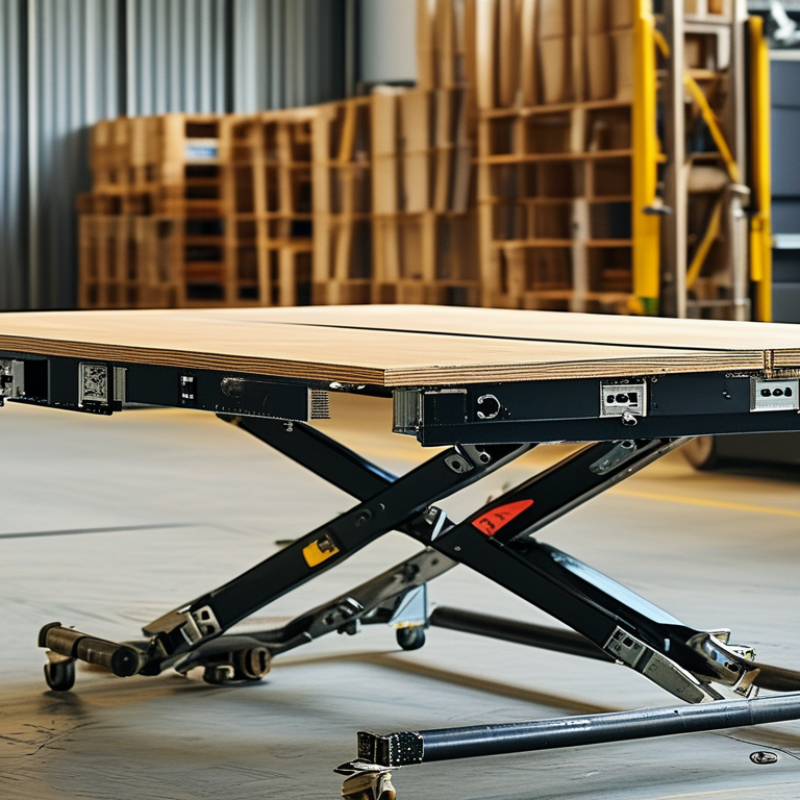
2026 Best Ways to Transport Heavy Duty Folding Tables?

Choosing the Right Vehicle for Transporting Heavy Duty Folding Tables

Transporting heavy duty folding tables requires careful consideration of the right vehicle. Industry reports indicate that choosing the right transport vehicle can increase efficiency and safety. For instance, a study by the Transportation Research Board found that using vehicles with proper weight capacity can prevent structural damage to both tables and vehicles. A truck with a weight limit of at least 1,200 pounds is generally suitable for transporting multiple heavy-duty tables.

Weight distribution is another crucial factor. It is essential to evenly distribute the tables to avoid instability during transport. Properly securing the tables with straps or blankets helps to minimize movement. The American Society of Civil Engineers suggests that load securement should meet specific standards to ensure safety. This often means additional time spent preparing tables for transport but significantly reduces risks during the journey.

Another element to ponder is the overall space availability. Vehicles with adjustable seating and foldable parts, such as vans, can often maximize space usage. However, some find these vehicles challenging to load due to height limits. Assessing the loading height can be vital. Additionally, it is wise to regularly review transport processes. Reflecting on past logistics is crucial for continuous improvement and operational safety.

2026 Best Ways to Transport Heavy Duty Folding Tables

This chart displays the most effective methods for transporting heavy duty folding tables based on their usage and capacity. The data showcases various transport vehicles and their suitability for handling heavy folding tables.

Essential Equipment for Securing Tables During Transportation

Transporting heavy-duty folding tables requires careful planning and appropriate equipment to ensure safety and efficiency. Durable straps are crucial. They secure tables firmly during transit. A reliable dolly simplifies movement. It allows easy navigation through narrow or crowded spaces. Consider using padded blankets to prevent scratches. These protective layers add an extra barrier against wear.

An organized approach helps ease the process. Label your equipment for quick identification. Improvisation can lead to mishaps. Sometimes, users forget essential items. Ensuring every piece of equipment is available pays off. It reduces stress and enhances safety.

Testing different methods lends valuable insight. Relying solely on standard practices may not work for everyone. Addressing individual circumstances and transportation routes is key. With experience, the most effective strategies become clear. Adjustment and flexibility bring improvement. Transporting heavy-duty tables is more than just moving equipment. It's about ensuring their integrity throughout the journey.

Best Practices for Loading and Unloading Folding Tables Safely

When it comes to loading and unloading heavy-duty folding tables, safety is key. Begin by assessing your space. Clear the area where you'll be working to minimize tripping hazards. A clutter-free environment allows for easier movement. Ensure there are enough people involved for the task. It’s often best to have at least two people handling these tables due to their weight and bulk.

Lifting techniques matter. When lifting a table, bend your knees and keep your back straight. Hold the table close to your body to maintain balance. Avoid twisting your torso while carrying; instead, pivot your feet to change direction. Securing the table with straps during transport can prevent dropping or shifting, which can lead to accidents. Check your load before moving. If something doesn't feel right, it may be wise to reassess the situation.

In unloading, take your time. Set the table down gently and avoid sudden movements. If you're stacking tables, ensure they rest securely on one another. Positioning tables at an angle can sometimes help, but be cautious. Off-center stacks could lead to instability. Reflecting on previous experiences can improve your process. Did you face any issues before? Learning from these moments will make you more effective in future operations.

Tips for Navigating Different Terrains with Folding Tables in Tow

Transporting heavy-duty folding tables can present unique challenges, especially when navigating various terrains. Understanding the weight and dimensions of the tables is crucial. A typical heavy-duty folding table can weigh between 30 to 50 pounds, depending on the material. This weight plays a significant role when moving across unpaved or uneven surfaces, where stability becomes an issue.

When maneuvering through grass or gravel, consider using wheeled carts designed to handle significant loads. Research shows that over 40% of transport accidents occur due to inadequate equipment. These accidents often result in damaged tables or injuries. Additionally, outdoor events often require a careful balance between portability and table stability. Straps or securing mechanisms can help keep tables steady during transport, reducing the risk of tipping or shifting.

Don't overlook the impact of weather on your transport strategy. Rain-soaked surfaces can make transport more challenging. Assess the terrain before transporting to avoid slippery situations. Data from industry reports suggest that nearly 30% of event planners face transport issues due to weather variations. Balancing careful planning with the right equipment can minimize risks and enhance the efficiency of transporting heavy-duty folding tables.

Maintaining Table Integrity During Long-Distance Transport

Transporting heavy-duty folding tables presents a unique challenge, especially over long distances. Maintaining table integrity is crucial to prevent damage during transit. Start with proper packing. Use sturdy covers to protect surfaces from scratches and dings. Wrapping tables in protective blankets or bubble wrap helps absorb shocks that may occur during transport.

Don’t overlook the stability of your load. Arrange tables securely, ensuring they are not stacked too high. Use tie-down straps to keep tables in place. This prevents them from shifting and keeps them intact. It’s vital to check on the tables during stops to ensure they remain secure.

One common mistake is underestimating the weight of folded tables. Be mindful of how the weight affects your vehicle’s handling. Load distribution is key. Imbalance can lead to accidents or damage. Ensure that heavier tables are positioned lower in the cargo area. This way, you maintain control throughout your journey. Proper planning and execution can significantly enhance your transporting experience.

2026 Best Ways to Transport Heavy Duty Folding Tables - Maintaining Table Integrity During Long-Distance Transport

Transport Method Maximum Load Capacity Best Practices Estimated Cost
Flatbed Truck Up to 5,000 lbs Use straps to secure tables, add padding between tables. $150 - $300
Enclosed Trailer Up to 3,500 lbs Stack tables vertically with dividers, avoid heavy impacts. $200 - $400
Pickup Truck Up to 1,500 lbs Secure with straps, keep tailgate closed, don't overload. $100 - $200
Cargo Van Up to 4,000 lbs Wrap tables in blankets, secure with ropes, prevent sliding. $150 - $300
Moving Company Varies by vehicle Professional handling, insurance for valuable items. $400 - $800 (depending on distance)

FAQS

: What equipment is essential for transporting tables safely?

: Durable straps and a reliable dolly are crucial for safe transport.

How can I protect tables during transport?

Use padded blankets and sturdy covers to prevent scratches and absorb shocks.

Why is an organized approach important in table transportation?

Being organized reduces stress and ensures all necessary equipment is available.

How should tables be secured during transit?

Use tie-down straps to keep tables in place and prevent shifting.

What is a common mistake when transporting tables?

Underestimating the weight can lead to accidents or vehicle handling issues.

How does load distribution affect transport safety?

Heavier tables should be placed lower to maintain control and avoid imbalances.

What should I check during stops while transporting tables?

It's important to ensure the tables remain secure and stable during breaks.

How can testing different methods enhance transportation?

Experimenting with various techniques allows for tailored approaches to individual needs.

Conclusion

Transporting heavy duty folding tables requires careful planning to ensure safety and integrity. First, it’s vital to choose the right vehicle, one that can accommodate the weight and size of the tables while providing secure space. Essential equipment, such as straps and pads, is critical for securing the tables during transportation to prevent movement and potential damage.

Loading and unloading should be executed with best practices in mind to avoid injury and ensure efficiency. It’s also important to consider different terrains when navigating with folding tables in tow, as rough surfaces may necessitate additional precautions. Finally, maintaining the integrity of the tables during long-distance transport involves checking for potential damage and ensuring that they are covered to protect against environmental elements. By following these guidelines on how to transport heavy duty folding tables, you can ensure a smooth and secure transport experience.

Ethan

Ethan

Ethan is a seasoned marketing professional with a deep expertise in our company's innovative product line. With a passion for sharing knowledge and insights, he takes the lead in regularly updating our corporate blog, where he explores industry trends, product features, and effective marketing......