10 Best Ways to Arrange Folding Chairs for Maximum Seating?

Time:2026-07-23 Author:Aria
0%

When planning an event, seating is crucial. Arranging folding chairs effectively can maximize space and comfort. Expert event planner, Jane Doe, emphasizes, “The right layout can double your seating capacity without sacrificing comfort.” This insight is essential for anyone looking to optimize their space.

Understanding how to arrange folding chairs for maximum seating involves strategic thinking. Consider various layouts, such as theater-style or cluster seating. Each arrangement offers unique advantages. However, getting it right sometimes feels like a puzzle. Mistakes can lead to wasted space or overcrowded areas.

Attention to detail matters. Ensure pathways are clear and chairs are stable. Reflect on the flow of movement within the space. An effective arrangement can enhance guest experience. Balancing aesthetics and functionality is key. Don’t hesitate to experiment and adjust for the best outcome.
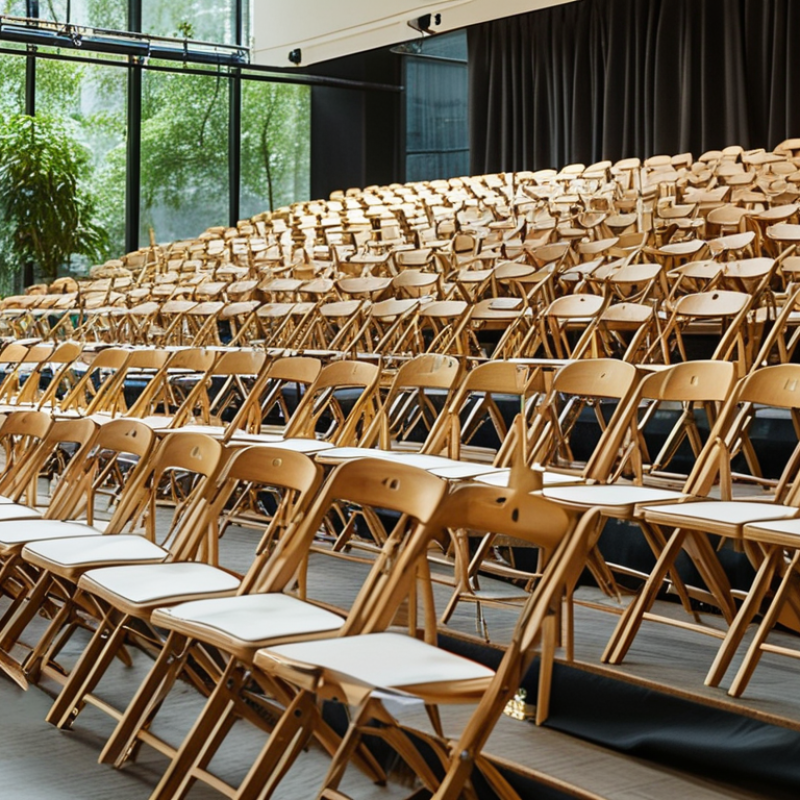
10 Best Ways to Arrange Folding Chairs for Maximum Seating?

Choosing the Right Space for Arranging Folding Chairs

Choosing the right space for arranging folding chairs is essential for effective seating. An industry report shows that up to 40% of event attendees value comfort and accessibility first. The layout should reflect these needs. Consider the flow of movement. Ensure that there are clear pathways to avoid congestion. This allows guests to easily navigate the space.

Analyze your venue. A conference room may have fixed barriers, while an outdoor space offers flexibility. For indoor spaces, measurements are crucial. A room with a length of 30 feet could accommodate about 60 chairs in rows. However, this requires careful planning. Overcrowding can reduce comfort.

Tips: Use visual aids to map out chair arrangements. This will help identify potential issues before the event. Adding aisles can improve accessibility. Consider also the social dynamics; clusters of chairs often facilitate conversation better than rows do. Regularly assess and adjust based on guest feedback. Make hybrid arrangements to cater to both large audiences and intimate gatherings—this promotes inclusivity.

Understanding Different Types of Folding Chairs for Seating Needs

Folding chairs come in various styles, each designed for specific seating needs. Some chairs are lightweight and portable, ideal for events like picnics. Others offer more comfort, featuring padding or ergonomic designs for extended use. It’s essential to understand how the type of folding chair influences both comfort and capacity.

Consider the material as well. Plastic chairs are easy to clean, while metal frames offer durability. Wooden folding chairs provide elegance but may be heavier. The right choice can enhance the aesthetic of an event. However, one must balance appearance and practicality. Overly decorative chairs might sacrifice comfort.

Understanding the audience is crucial. For a formal gathering, padded chairs may be necessary. For outdoor events, lightweight options can ease transport and setup. Each scenario brings unique challenges. Evaluating your needs allows for a more effective seating arrangement. Mistakes can serve as learning opportunities, reminding us to adapt.

10 Best Ways to Arrange Folding Chairs for Maximum Seating

Arrangement Type Description Ideal For Maximum Capacity
Row Seating Chairs arranged in straight rows facing the speaker or stage. Conferences, Presentations 50-100
Circle Seating Chairs arranged in a circle for discussions. Workshops, Team Meetings 20-30
U-Shape Seating Chairs arranged in a U-shape to facilitate interaction. Group Discussions, Panels 15-25
Classroom Setting Chairs and tables arranged in rows with tables for writing. Training Sessions, Classes 40-60
Theater Style Chairs are closely packed in rows with no tables. Events, Performances 100+
Banquet Style Round tables with chairs around for dining. Weddings, Formal Dinners 8-10 per table
Boardroom Style Long rectangular table with chairs around. Executive Meetings, Decision-Making Sessions 10-20
Chack Seating Chairs in small groups for conversations and networking. Networking Events, Social Gatherings Variable
Herringbone Style Chairs angled towards the front for better viewing. Presentations, Seminars 50-80
Flexible Open Space Chairs positioned freely to allow movement and adaptability. Creative Workshops, Family Gatherings Variable

Maximizing Space Efficiency with Various Chair Layouts

Arranging folding chairs effectively can transform your space and enhance guest experience. According to industry research, effective seating layouts can maximize capacity by up to 30%. This is crucial for events that have limited space. A well-planned arrangement can also ensure smoother movement, reducing congestion and frustration.

Consider the classic theater layout. It accommodates the most guests in a straightforward manner. However, it may lead to discomfort if guests are cramped. An alternative is the classroom style, where chairs face a focal point. It allows for interaction while maintaining organization. Yet, this style can reduce the number of chairs, reflecting the balancing act between space and capacity.

Utilizing circular arrangements creates a more inclusive atmosphere. It fosters conversation but may not be efficient in high-density situations. Explore variations based on the event type. For instance, a banquet style encourages engagement but requires extra space. It's essential to rethink your approach regularly. Evaluate what has worked in the past and remain open to adjustments.

Incorporating Aisles and Accessibility in Chair Arrangements

When arranging folding chairs for an event, accessibility must be a priority. A report by the National Fire Protection Association (NFPA) indicates that overcrowded spaces can lead to safety hazards. Ensuring there are adequate aisles and clear pathways is crucial. Aisles should typically be at least 36 inches wide for efficient movement. This placement helps facilitate entry and exit, especially for guests with mobility challenges.

Consider the arrangements that encourage accessibility. For instance, a U-shape or classroom-style layout can enhance visibility while providing space to move freely. According to the Americans with Disabilities Act (ADA), at least 5% of seating should be designated for accessible attendees. This means positioning chairs near exits or restrooms. Additionally, it’s important to reflect on the spatial dynamics during events. Too many rows can obstruct paths and create chaos. Regular feedback from event attendees can guide improvements in chair placements for future gatherings.

10 Best Ways to Arrange Folding Chairs for Maximum Seating

This chart illustrates the number of seats available for various folding chair arrangements. Opting for arrangements like Row Seating and Theater Style maximizes seating capacity, while Social Distancing significantly reduces the total number of seats available.

Utilizing Visuals and Decor to Enhance Seating Areas

Creating engaging seating areas with folding chairs can enhance both aesthetic and functionality. To maximize the impact of your setup, visuals and decor play crucial roles. Consider colors, patterns, and materials that complement each other. A simple arrangement of alternating chair colors can add vibrancy. Adding a patterned tablecloth can create a focal point, drawing attention to the seating area.

Tip: Use plant arrangements or small centerpieces to visually define each seating area. These small details can elevate the space significantly. Incorporating design elements like fairy lights or lanterns can soften the atmosphere, making the area inviting. Reflect on how different styles work together. Not all setups will be perfect. Some combinations may clash, leading to an unintentional mess.

Tip: Experiment with the layout until you find a balance. Space out chairs to encourage conversation while ensuring the area doesn’t feel too empty. Remember, comfort is key. Ensure there’s enough room for movement. A cluttered space can deter guests. Aim for a layout that feels both organized and inviting, allowing guests to flow naturally through the area.

FAQS

: Why is it important to choose the right space for folding chairs?

: The right space ensures comfort and accessibility, crucial for about 40% of event attendees.

How can I avoid congestion in seating arrangements?

Create clear pathways to allow guests to navigate easily without feeling crowded.

What should I consider when analyzing my venue?

Assess the space and barriers, noting that flexibility varies between indoor and outdoor settings.

What is a good rule for chair arrangements in a room?

A 30-foot room typically accommodates around 60 chairs, but careful planning is needed to avoid overcrowding.

How can I visually enhance seating areas?

Use colors, patterns, and materials that complement each other to create an inviting atmosphere.

What are effective ways to define seating areas visually?

Utilize plant arrangements or small centerpieces to elevate the space and draw attention.

How can lighting impact the seating area?

Incorporating elements like fairy lights creates a softer, more inviting ambiance that welcomes guests.

Should I prioritize comfort or aesthetics when arranging chairs?

Ensure comfort is key, as a cluttered or uncomfortable space can deter guests from enjoying themselves.

Can social dynamics influence chair arrangements?

Yes, clusters of chairs foster better conversation than rows, promoting social interaction among guests.

How do I find the right balance in layout?

Experiment with spacing to encourage conversation while avoiding a layout that feels too empty or cluttered.

Conclusion

Arranging folding chairs effectively can significantly enhance seating capacity for any event. To master how to arrange folding chairs for maximum seating, start by choosing the right space that accommodates your intended layout. Consider the different types of folding chairs available, as each serves various seating needs, from comfort to space conservation.

Maximizing space efficiency involves exploring various chair layouts, such as rows, clusters, or circular arrangements, depending on the event's purpose. Additionally, incorporating aisles and ensuring accessibility are vital to providing a comfortable experience for all attendees. Finally, utilizing attractive visuals and decor can transform the seating area, creating an inviting atmosphere that complements the event while optimizing the available space. Through these strategies, you can effectively enhance both functionality and aesthetics in your seating arrangements.

Aria

Aria

Aria is a dedicated marketing professional with a deep passion for innovative strategies and a keen understanding of our company's product offerings. With a wealth of experience in the industry, Aria excels at crafting engaging content that highlights the unique features and benefits of our......